
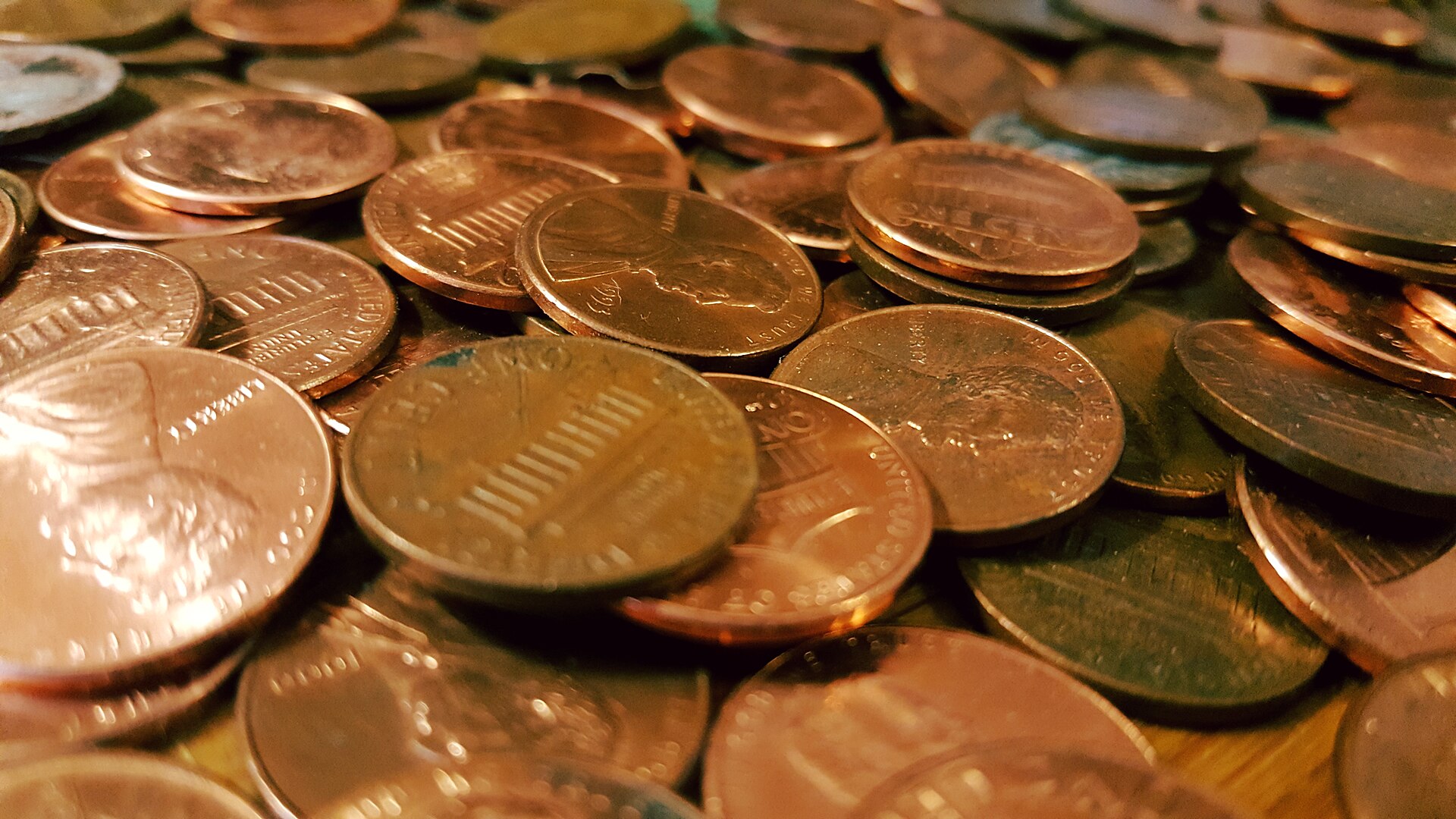
President Donald Trump has signed the Common Cents Act into law, permanently ending production of the penny after nearly 250 years and giving shops and shoppers a single national rule for rounding cash payments to the nearest nickel.
Trump signed the bipartisan measure, H.R. 10167, on Friday, November 20, at the White House, where Senator Cynthia Lummis of Wyoming, the bill's leading sponsor, joined him for the ceremony. The law directs the Treasury Department to stop making the penny for general circulation, while allowing the US Mint to keep striking small numbers of the coin for collectors.
“The Common Cents Act eliminates wasteful spending, modernizes our currency system, and most importantly gives families and businesses clear rules for everyday cash transactions.”— Senator Cynthia Lummis, in a statement
The Details
The new law permits retailers to use voluntary symmetrical rounding to the nearest nickel for cash transactions when exact change is unavailable: amounts ending in 1, 2, 6 or 7 cents are rounded down, and those ending in 3, 4, 8 or 9 cents are rounded up. Existing pennies remain legal tender, and card, check and electronic payments stay exact to the penny.
The act also allows the nickel to be made from cost-saving materials, and it sets out procedures for the Treasury Secretary to follow to discontinue production of any coin for general circulation, including 60 days' advance notice to Congress.
The economics drove the change. Each one-cent coin cost taxpayers nearly four cents to make, a gap that made the penny a symbol of government waste for its critics. Estimates of the saving differ: Senator Lummis puts it at $56 million a year, while Representative Lisa McClain, the House sponsor, puts it at $85 million a year.
How We Got Here
The penny's end has been a long time coming. The US Mint struck its final circulating penny in Philadelphia on November 12, 2025, nine months after Trump ordered the Treasury Department to stop production in February 2025, writing at the time that the process was "so wasteful!"
Congress then moved to make the change permanent. The House passed the Common Cents Act by voice vote on September 14, 2026, and the Senate followed by passing the bill by unanimous consent on September 28, 2026, without a recorded vote against it in either chamber.
The bill was bipartisan from the start. Lummis partnered with Democratic Senators Kirsten Gillibrand of New York and Ron Wyden of Oregon, and Republican Senator James Lankford of Oklahoma, to introduce it in the Senate, while McClain and Democratic Representative Robert Garcia of California carried it in the House.
Why It Matters
The penny is the smallest unit of American money, and its abolition touches every cash transaction in the country. Retailers had faced years of confusion and litigation risk under a patchwork of state laws on rounding; the new law gives them one uniform national standard, and shoppers get a clear rule for what happens when the pennies run short.
It is also a rare piece of bipartisan lawmaking in a divided Congress — a bill that passed both chambers without opposition, signed by a president who made cutting waste a signature promise. "The Common Cents Act eliminates wasteful spending, modernizes our currency system, and most importantly gives families and businesses clear rules for everyday cash transactions," Lummis said.
What Happens Next
The Treasury Department will now wind down penny production for circulation, and the Mint will strike the coin only for collectors. Businesses can begin rounding cash transactions under the new federal guidance, though rounding remains voluntary. The penny itself is not going away overnight: the coins already in circulation remain legal tender indefinitely, so Americans will keep finding Lincolns in their change for years to come.



Loading comments…