
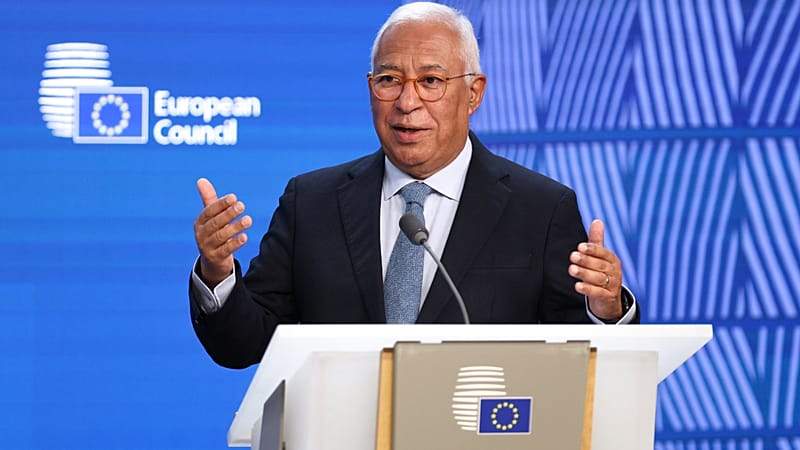
The European Union's leaders' chair has proposed a 3% digital tax on America's tech giants, reviving a levy that died eight years ago — and risking a trade clash with Donald Trump.
António Costa, president of the European Council, put the tax into his revised draft of the EU's 2028–2034 budget on Saturday. The 3% levy would apply to annual net turnover from online advertising, digital intermediation and user-data monetisation, for companies with at least €50 million of digital turnover in the EU and more than €750 million worldwide. In practice, that means Google, Microsoft, Meta, Apple and Amazon. Costa has insisted the mechanism "is not aimed at any specific company" — but the thresholds are built to catch the big American platforms and few others.
“This proposal is unacceptable to Parliament and cannot form the basis for our consent.”— Siegfried Muresan, the European Parliament's chief budget negotiator
The Details
The levy is projected to raise around €5 billion a year — a modest sum against a seven-year budget of €1.582 trillion. The full basket of new revenues is estimated at around €60 billion a year: alongside the levy, it includes 30% of emissions-trading revenues, a minimum 15% tobacco tax, and higher levies on plastic waste and carbon-intensive imports.
The draft cuts the budget by €40 billion from the Irish presidency's October compromise, to €1.582 trillion — €180.6 billion below the Commission's original proposal of about €2 trillion. The cuts fall mainly on competitiveness, defence and external spending. Agriculture and cohesion are relatively protected, though they still face a €54 billion cut; competitiveness and defence lose €95.5 billion, and Global Europe is hardest hit at €45 billion.
Costa also proposed slowing repayment of the capital of the more than €600 billion the EU jointly borrowed for its post-pandemic recovery fund. Repayment starts in 2028 and runs until 2058, but the capital could be repaid more slowly in the first seven years, cutting debt repayments for 2028–2034 by €10 billion.
How We Got Here
The Commission proposed a 3% digital services tax in 2018, and it died because any EU-wide tax needs the unanimous agreement of all 27 member states — Ireland and the Nordic countries were among those who resisted. Costa's proposal is the same rate, the same thresholds, and the same obstacle. The levy replaces the Corporate Resource for Europe (CORE), which met insurmountable opposition.
The Commission proposed about €2 trillion; the Irish presidency's October compromise cut it; Costa's draft cuts it further. France criticised the numbers as not sufficiently protecting farmers; an Élysée source called the framework "very disappointing". Six budget-minded countries led by Germany want spending restrained, not new EU-level taxes; Sweden says the budget is still too large, and Berlin has already rejected a previous version.
On the other side sit France, which wants enough money for rising demands, and the 17-country Friends of Cohesion bloc, which wants farm and regional funds protected. The European Parliament has backed new EU-level own resources, including a digital levy, and wants a bigger budget — though its wishes are not binding on the tax question.
Why It Matters
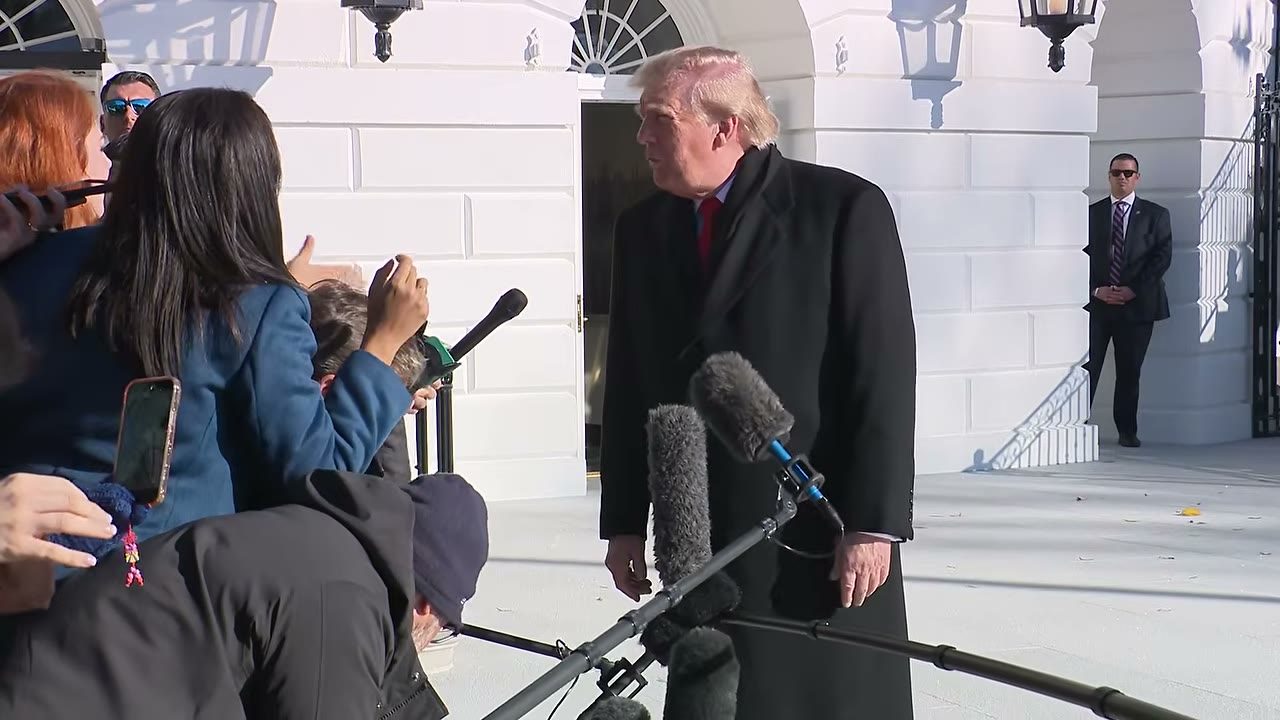
The levy is a bargaining chip as much as a revenue plan. Costa can tell the frugal states that new EU income means smaller national bills, and tell the spenders that the cut is the price of getting it. But at €5 billion a year it adds little for the political cost. Washington has treated European digital taxes as trade barriers before, and a levy aimed squarely at US firms hands it an easy target. Many EU governments have been wary of exactly that — Trump has spoken against such a tax. Brussels calculates, Euronews reports, that a Trump administration weakened by its midterm defeat will be less inclined to retaliate.
Parliament's chief budget negotiator, Siegfried Muresan, was blunt: "This proposal is unacceptable to Parliament and cannot form the basis for our consent. The EU budget is an investment budget. Cuts, more cuts and a side of cuts are not an investment strategy." The budget needs unanimity among the 27 governments and Parliament's consent.
What Happens Next
EU leaders will discuss Costa's proposals at a special summit on November 26–27, with a view to reaching an agreement in December. Costa called the proposal "a good basis for moving towards a final agreement". A slip would push talks into 2027, an election year in France, Italy, Poland and four other member states. The thing to watch next week is whether any government says in public that it will veto the levy.



Loading comments…