
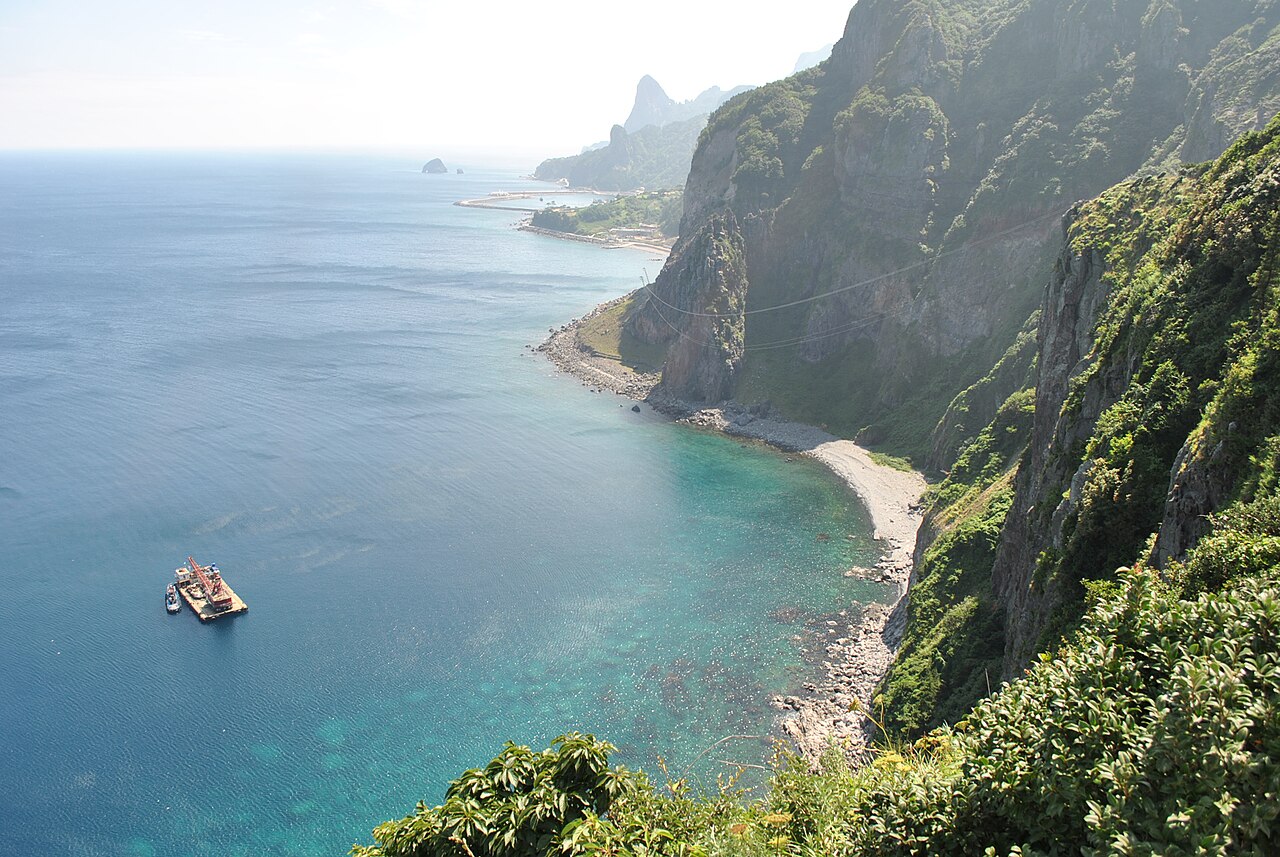
South Korea scrambled Air Force fighter jets on Tuesday after "multiple" Russian military planes entered its air defence identification zone off the east coast, briefly triggering an evacuation warning on Ulleung Island.
The planes entered the zone — known as KADIZ — and then exited the area, South Korea's military said. There was no intrusion of South Korea's sovereign airspace, the office of the Joint Chiefs of Staff said in a statement.
“There was no intrusion of South Korea's airspace by the Russian aircraft.”— South Korea's Joint Chiefs of Staff
The incident lasted minutes, but it exposed a confusion at the heart of the morning: the government's first warning said a Russian aircraft had entered the country's airspace. The military's correction, issued later, said the planes had only entered the identification zone.
The Details
South Korea's safety ministry issued an evacuation warning for Ulleung Island, off the east coast, at 7:52 a.m. local time on Tuesday, saying a Russian aircraft had entered the country's airspace. The warning was lifted within minutes.
The government guided residents of the island toward underground shelters or inside buildings, according to the Korea JoongAng Daily.
South Korea's military was tracking the Russian aircraft as they were approaching the zone, and the fighter jets conducted "tactical maneuvers" to prevent any incident, the Joint Chiefs of Staff said.
An air defence identification zone is an area set by countries to help identify and respond to any aircraft that may be approaching their airspace. It is not sovereign airspace, and entering it is not the same as violating a country's territory.
A separate warning of a possible North Korean aircraft near the Ulleung area was briefly issued by the local government in error, Yonhap news agency said.
How We Got Here
The identity of the aircraft shifted through the morning. The safety ministry's first warning pointed to a Russian aircraft. A separate local government warning pointed to a possible North Korean aircraft — a warning that was issued in error, according to Yonhap.
The Korea JoongAng Daily reported that the aircraft was initially suspected to be North Korean, but the suspicion later shifted to Russia. Neither identification has been confirmed.
Ulleung Island sits in the East Sea, off South Korea's eastern coast, in North Gyeongsang province. It is a small volcanic island, home to a few thousand residents, and it lies within range of the air routes that Russian military aircraft use when they fly patrols around the Korean peninsula.
Why It Matters
The incident matters less for what happened than for what almost happened. A three-minute evacuation warning on a small island is a small event. But the confusion behind it — two warnings, two suspected countries, and a ministry statement that said "airspace" where the military later said "identification zone" — is exactly the kind of error that can escalate in a region where misidentification carries real consequences.
The distinction between an air defence identification zone and sovereign airspace is the difference between a routine interception and a violation of territory. South Korea's fighter jets are scrambled whenever unidentified aircraft approach the zone, and the military's "tactical maneuvers" are standard practice. The correction from the Joint Chiefs of Staff, issued within the hour, was designed to draw that line clearly: the planes were tracked, they were challenged, and they left. No airspace was violated.
The identity question matters too. Russia and North Korea are different problems for Seoul, and the morning's shifting suspicion — North Korean, then Russian, then unconfirmed — shows how thin the information was in the first minutes. The military's statement identifies the planes as Russian, but the JoongAng Daily's update notes that neither identification has been confirmed.
What Happens Next
The immediate incident is over. The planes have left the zone, the warning has been lifted, and Ulleung Island's residents have been told to stand down.
What follows is the slower work: South Korea's military will review why the safety ministry's first warning described an airspace entry that the military says did not happen, and why a local government issued a separate warning about a North Korean aircraft in error. Those two errors, in the space of a few minutes, are the questions Seoul will have to answer.
If the planes are confirmed as Russian, the incident will join a familiar pattern of Russian military flights around the peninsula — tracked, challenged, and left at that. If the identification changes again, the morning's confusion will be the story.


Loading comments…