
The Trump administration held the first deep-sea mining lease sale in U.S. history on Thursday, selling rights to about 31 million acres of Pacific seabed off American Samoa for $6 million — three days after a federal judge ruled the plan violated the Endangered Species Act.
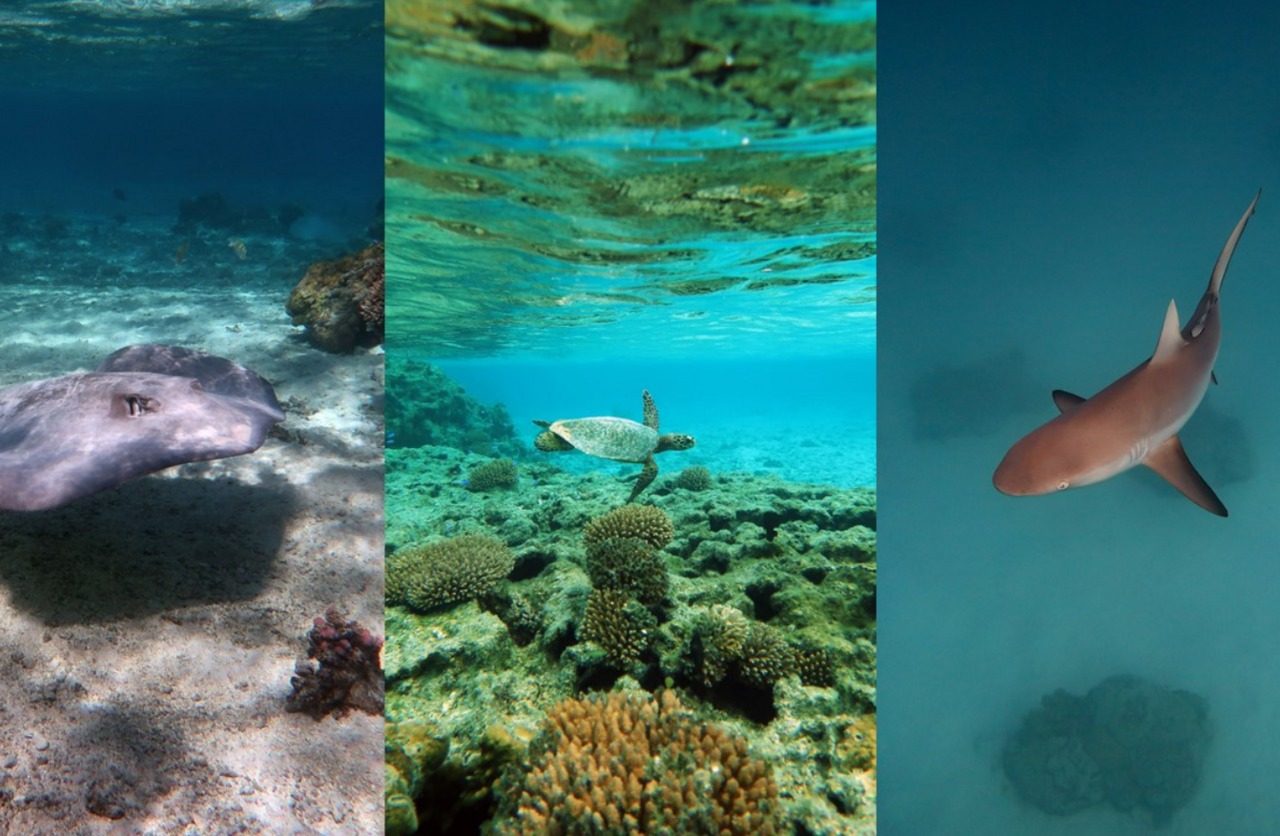
The two 20-year leases cover seabed next to the Rose Atoll Marine National Monument, home to threatened and endangered whales, sea turtles, sharks and coral. The government did not name the winning bidders. The leases allow only research and pilot tests for now; no mining can begin until further environmental reviews are complete.
How We Got Here
The sale traces to an executive order President Donald Trump signed in April 2025 calling for expanded seabed mining to reduce U.S. dependence on China-dominated supplies of critical minerals. The leasing process began the same month with a request from seabed developer Impossible Metals, and the Marine Minerals Administration offered two tracts covering 31.5 million acres, with bidding opening at $3 million per tract.
On Monday, U.S. District Judge Jill Otake ruled in Hawaii that the National Marine Fisheries Service violated the Endangered Species Act when it cleared the sale. The agency, she found, failed to even attempt to consider the effects of the exploration and mining the leases could eventually lead to — it reviewed only the sale itself and preliminary surveys. The order set aside the agency's approval letter, though the judge did not issue an injunction canceling the auction.
The sale went ahead on schedule at noon Eastern time on Thursday. American Samoa banned deep-sea mining in its own territorial waters in 2024, but the auction concerned federally controlled waters beyond that limit. Earthjustice sued on behalf of Fa'asao Amerika Samoa and the Conservation Council for Hawai'i, and a second lawsuit challenging the sale's reliance on the now-invalidated approval is pending.
“a renegade, unlawful act”— Chris Eaton, Earthjustice attorney, on the decision to hold the sale after the court ruling
Why It Matters
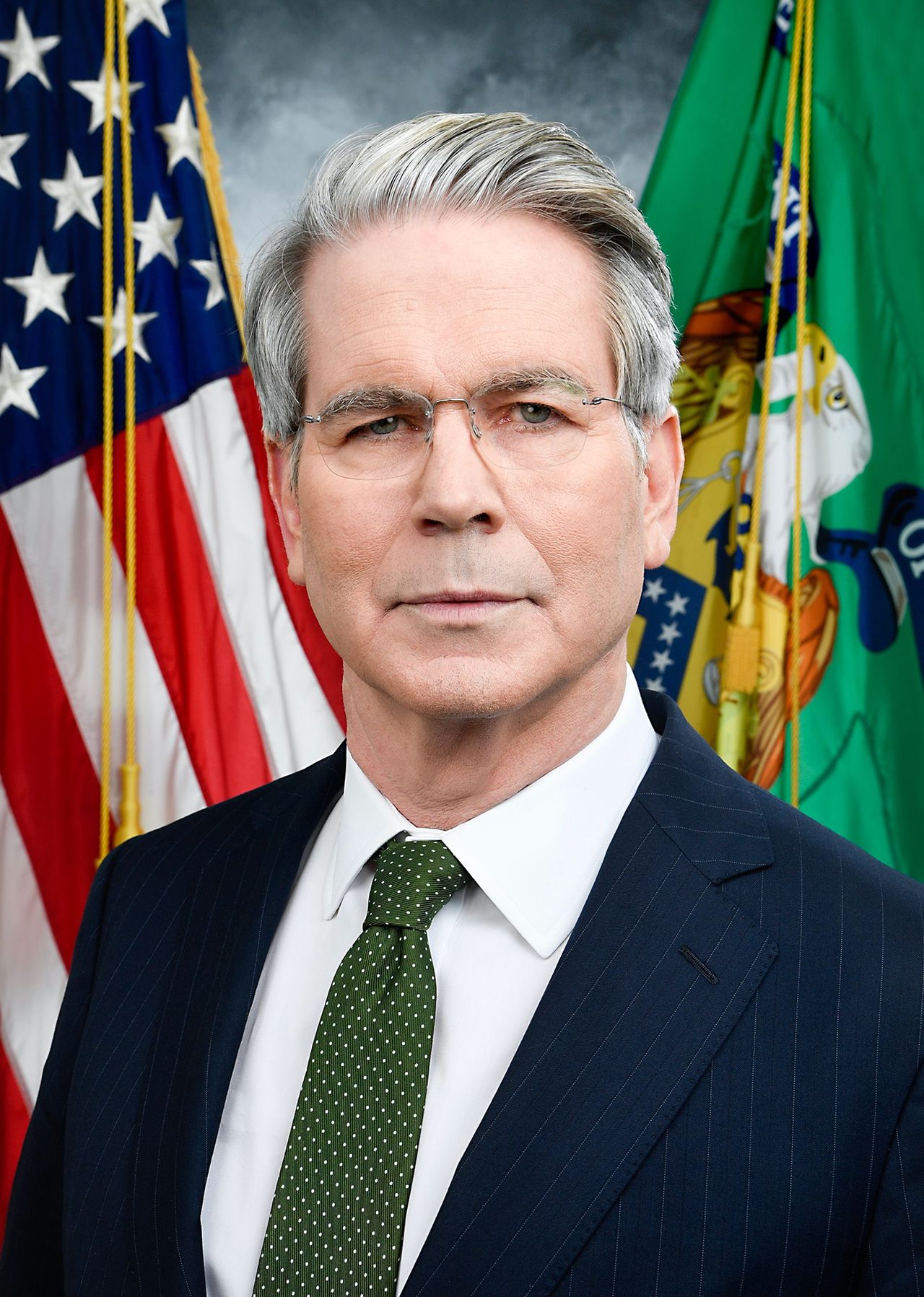
The administration frames the sale as a matter of national security. Interior Secretary Doug Burgum called it “a historic step for America's energy and mineral security,” and proponents say the minerals in polymetallic nodules and ferromanganese crusts — used in batteries, electronics, defense equipment and data centers — are too important to leave to China.
Critics say the rush is the problem. Environmental groups argue that excavating minerals from the ocean floor is technologically unproven and could cause irreparable harm to ecosystems that scientists have barely mapped. “This premature push to exploit the deep sea before we even fully understand how vital it is will have catastrophic consequences that reverberate for generations,” said Julia Singer, campaign manager for Oceana. American Samoa Governor Pulaali'i Nikolao Pula has also opposed commercial mineral extraction in the territory's waters.
Earthjustice attorney Chris Eaton, who represents the groups that won Monday's ruling, called the decision to proceed “a renegade, unlawful act” and said his clients would “use the full extent of the law to vigorously push for the leases to be voided.” The Marine Minerals Administration said after the sale that it “acknowledges the court's opinion” and has begun formal consultation on a wider scope of activities, including the harvesting of deep-sea minerals.
What Happens Next
The next test is already on the calendar. A lease sale covering up to 69 million acres east and west of the Mariana Islands is set for December 16, and the administration is pursuing additional offshore mineral proposals in federal waters off Alaska and Virginia.
For now, the American Samoa leases are paper rights — research and pilot tests only, with royalties starting at 2 percent of production value if commercial mining ever begins. Whether they survive in court will decide whether the United States gets a deep-sea mining industry, or a cautionary tale about selling the ocean floor before the law catches up.
© 2026 Capitol Wire Daily. All rights reserved. Capitol Wire Daily reports facts from official statements and verified reporting; developing stories are labeled as such.


Loading comments…