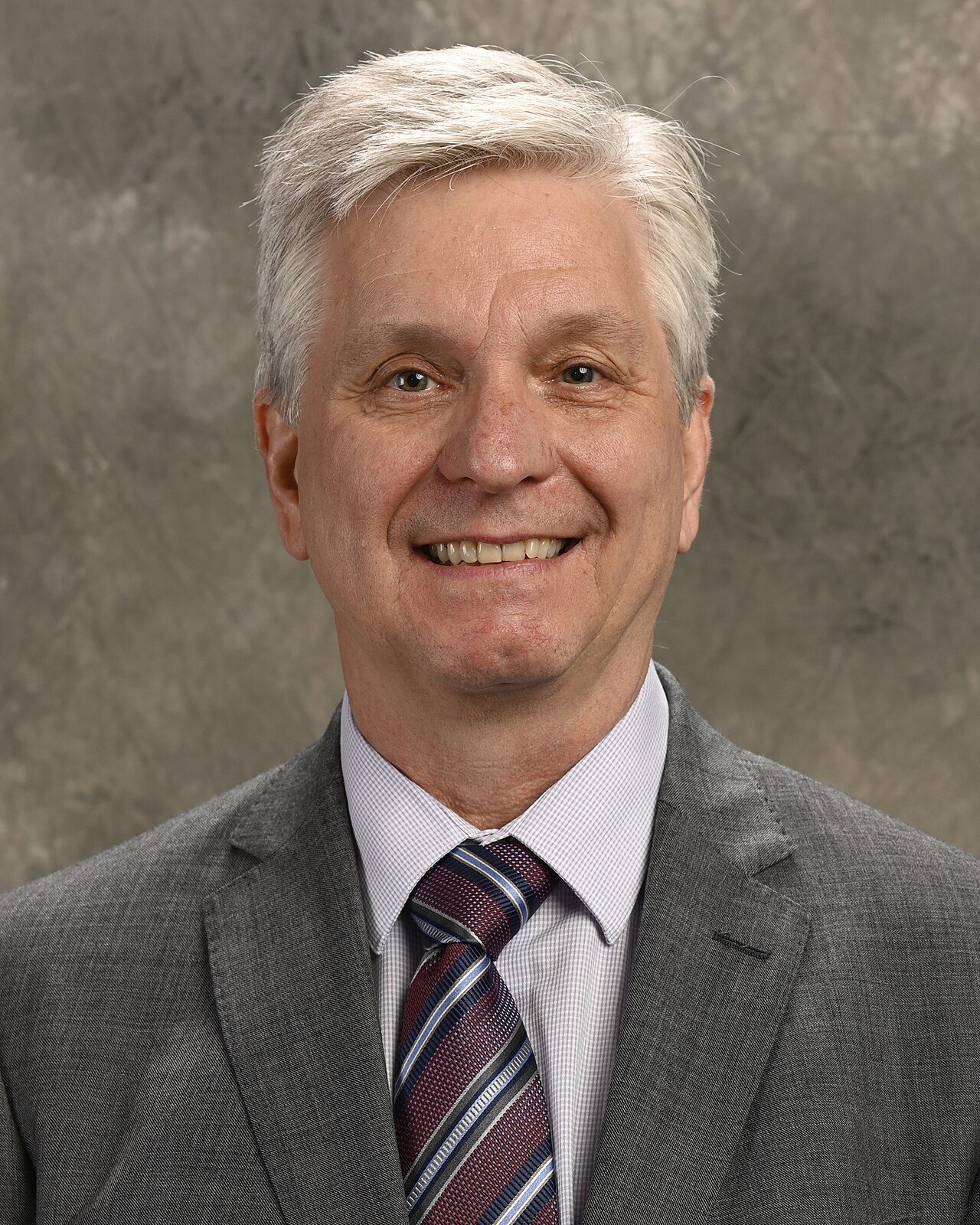
Federal Reserve Governor Christopher Waller said Wednesday that the central bank should deliver a half-point interest-rate increase at its December 8–9 meeting — double the quarter-point move markets expect — or tell investors plainly that more hikes are coming in January.
Hours later, the minutes of the Fed's October 27–28 meeting backed him up: "almost all participants judged that, under their baseline outlooks for inflation and the labor market, further action to raise the target range for the federal funds rate would likely be appropriate." A couple of participants said an increase of more than 25 basis points could warrant consideration in December if incoming inflation data were unfavorable — and the data since then has been unfavorable.
Three months that crossed Waller's line
Waller told CNBC's Steve Liesman that three consecutive months of 0.3% core consumer-price inflation met the threshold he set in a November 10 speech for considering a half-point hike. October's report showed headline prices up 0.4% for the month, above the 0.3% economists expected, while core prices rose 0.3% against a 0.2% forecast. Total PCE inflation reached 3.6% over the 12 months to September, with core PCE at 3.1% — both well above the Fed's 2% target.
"If you really want to get it down you've got to start taking aggressive actions," Waller said, warning that business leaders are starting to treat inflation above 3% as normal and pass it on to consumers. He said the Fed may need to reverse last year's three "insurance cuts" — "three hikes plus maybe some more."
“You have to go 50 in December to put it in place and get it done.”— Fed Governor Christopher Waller, on CNBC, Nov. 18
A committee split on speed, not direction
The October vote was 10–2 to hold the benchmark rate at 3.75% to 4%. Governor Lisa Cook and Cleveland Fed President Beth Hammack dissented, preferring a quarter-point increase immediately. The minutes show the debate is no longer whether to tighten again, but how fast — and Waller is now the loudest voice for speed.
Not everyone inside the Fed agrees. New York Fed President John Williams said Tuesday that the inflation picture does not warrant dramatic action, even as he acknowledged further tightening will probably be necessary. Fed Chair Kevin Warsh has opposed guidance that commits policymakers to future action, leaving Waller's alternative — a clear January signal instead of a 50-point December move — in tension with the chair's own approach. St. Louis Fed President Alberto Musalem has said he anticipates as much as a full percentage point of tightening by spring 2027.
The Trump administration has argued the other side of the argument: that elevated inflation is temporary and the Fed should ignore it. Markets, for now, are betting on the middle path — CME FedWatch puts the chance of a December hike at 100%, with roughly 95% on a quarter-point move and about 5% on a half-point one.
What Happens Next
The committee meets December 8–9, and the November consumer-price report lands before it — the last big data point before the vote. If it confirms inflation is still running hot, Waller's 50-point call moves from an outlier's demand to the live question of the meeting. If it cools, the quarter-point everyone already expects is the likely outcome, and the argument shifts to January.
© 2026 Capitol Wire Daily. All rights reserved. Capitol Wire Daily reports facts from official statements and verified reporting; developing stories are labeled as such.

Loading comments…