
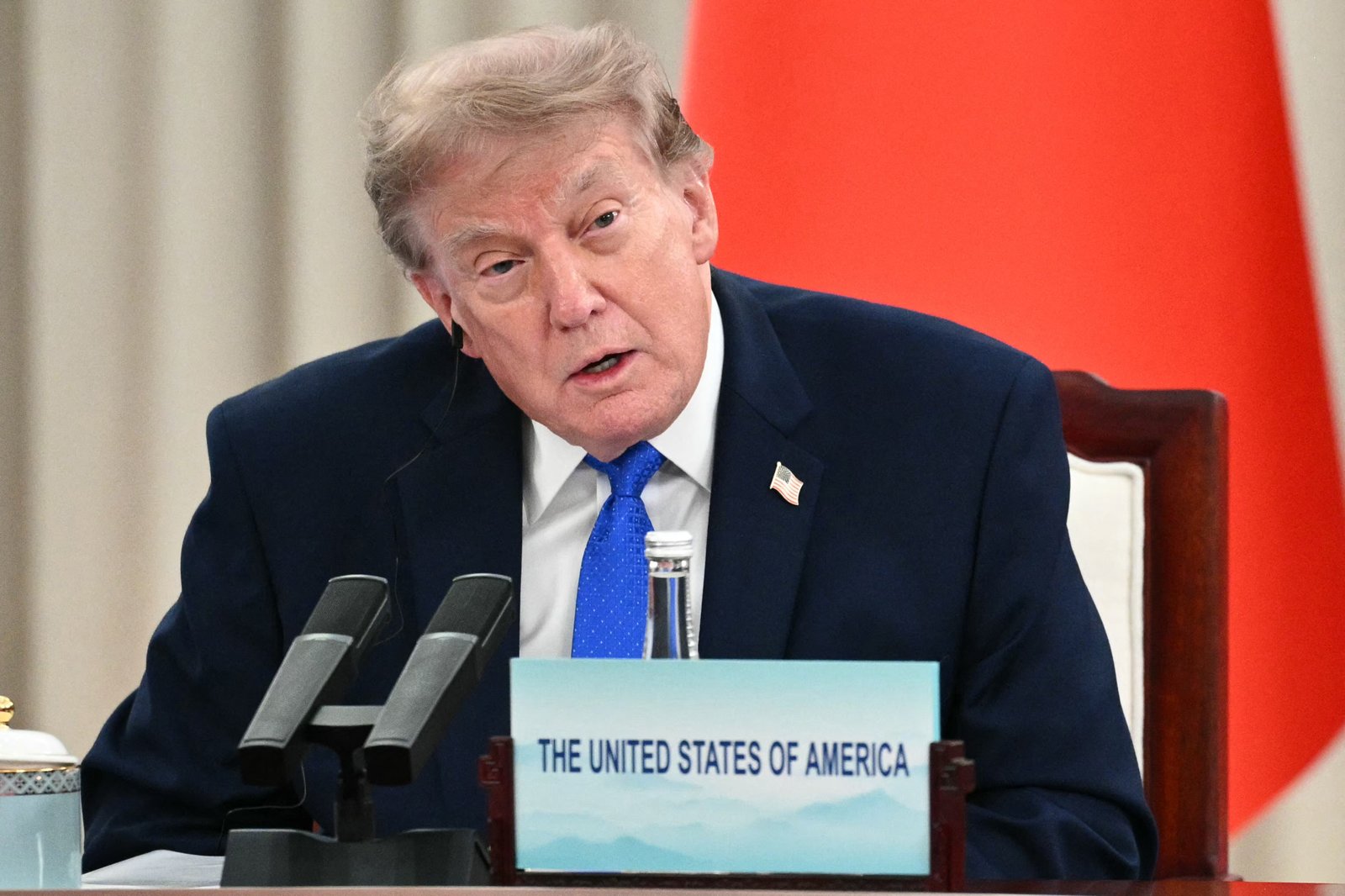
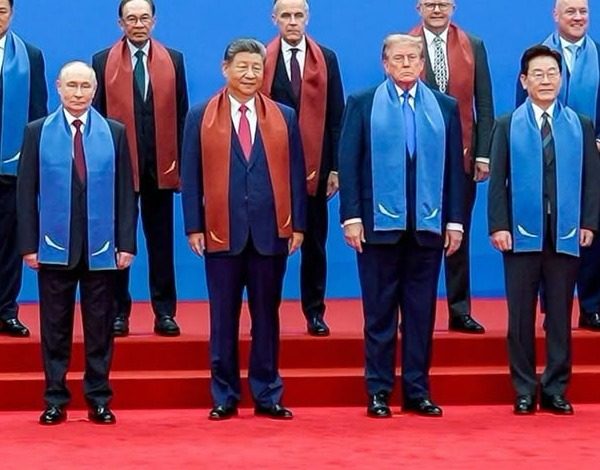
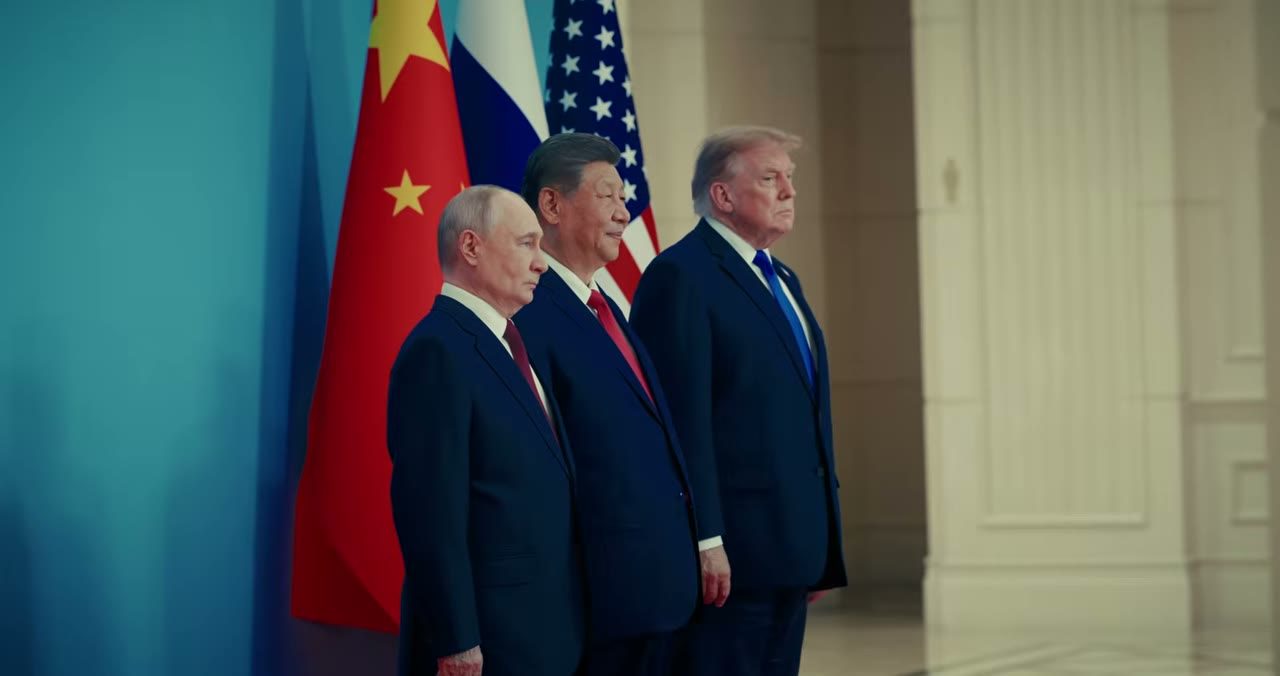
President Donald Trump has signalled he will not order new strikes against Iran this year, telling Axios in a phone interview aboard Air Force One: "I am not rushing into any decision. We will see what happens after the beginning of the year." The message, delivered as he flew home from a trilateral summit in Shenzhen, puts any new American attack off until 2027 — despite Israeli pressure for a second campaign.
Trump struck the same note with Fox News earlier on Thursday. "We're going to have a new year coming up, and we'll see what happens after January 1. But they've been nasty," he said, responding to a CNN report that Iran was planning a "dirty bomb" attack in Washington.
“I am not rushing into any decision. We will see what happens after the beginning of the year.”— Donald Trump
The Details
The delay is not a decision against strikes. According to the New York Times, Trump is still considering a joint American-Israeli attack on Iranian nuclear and infrastructure sites, despite saying last week that a major new round of strikes was "quite unlikely." Prime Minister Benjamin Netanyahu has been urging the United States to join a second major military action — a four-to-seven-day air campaign — in response to reports that Iran is developing chemical and biological weapons.
Israel's ambassador to the US, Michael Leiter, told the Post on Wednesday that his country believes ousting the Tehran regime is "now the only long- or even medium-term answer" — and that Israel "will not hesitate to go it alone."
Trump himself raised those reports on Fox News. "There is indication that Iran is looking at gases, looking at bio... not nice — and other things," he said, without elaborating. Asked whether people in Washington should be alarmed by the dirty-bomb report, he said: "I don't think so."
Two Israeli officials told Reuters that Israel has conveyed intelligence to the United States over the past two weeks on Iran's buildup of military capabilities, including the development of chemical weapons. The chief of Israel's Mossad intelligence agency, Roman Gofman, visited the United States and advocated a resumption of joint strikes.
How We Got Here
The United States and Israel launched strikes against Iran on February 28, with destroying Iran's nuclear programme as a main justification. The war has continued for nearly nine months, and the financial burden keeps growing: Pentagon Deputy Comptroller Arthur Miller told lawmakers on Thursday that American military operations against Iran have cost more than $48 billion since hostilities began. The figure exceeds a $47.1 billion estimate reported in mid-October.
Meanwhile, the United States has been tightening sanctions on Iranian proxies such as Hezbollah and keeping up its naval blockade against Tehran's oil tankers in the Strait of Hormuz. Iran claimed on Thursday that two additional oil tankers struck sea mines and caught fire — claims that have not been independently corroborated — although the UAE confirmed one crew member missing after a vessel was hit by a projectile on Wednesday.
The diplomatic track is stalled. Tehran has rejected unrestricted access for international nuclear inspectors while under attack. Iran denies seeking nuclear weapons but has enriched uranium to near-weapons-grade levels, and the location and condition of its nuclear material remain unclear.
Why It Matters
Secretary of State Marco Rubio said on Wednesday that he did not think there was any imminent threat to the US capital, and Iran's Foreign Ministry spokesman called the CNN dirty-bomb report "baseless" on Tuesday. The administration's own assessment does not support the alarm — yet the president is keeping the option of a major new campaign alive into the new year. Waiting until 2027 would also leave Trump little time: the Democratic-controlled Congress is scheduled for swearing-in on January 3.
That ambiguity is the point. As Axios's Barak Ravid noted, Trump has signalled peaceful intentions right before strikes before, and the president "could change his mind at any moment." The delay gives diplomacy a window — and the Pentagon time to prepare. It also leaves Israel, which wants action now, waiting on a decision Trump has pushed past the end of the year.
What Happens Next
Trump departed Shenzhen on Thursday evening, with Air Force One lifting off at 6:53 p.m. local time, and was due back in Washington that night. The decision he has deferred will return with the new year — along with the question of whether the intelligence on chemical and biological weapons, the cost of the war, and Israel's pressure will have changed his mind. Until then, the war continues at its current tempo.

Loading comments…