The money is moving. In a court filing on Tuesday, U.S. Customs and Border Protection disclosed that the administration has now refunded about $100 billion in tariffs — more than three-quarters of the $128.68 billion set aside for refunds after the Supreme Court struck the duties down.
The refunds close the books on the largest tariff collection in modern American history. Before the Court ruled 6–3 in February that the emergency-powers tariffs exceeded the president's authority, the government had collected roughly $166 billion from importers.
Who actually gets a refund
By law, the money goes back to whoever paid it: the importing companies that handed the duties to Customs at the border. That was always the design — but a ProPublica investigation published this week found at least nine companies, including the parent of TJ Maxx and Marshalls, put refund money toward bonuses for their executives. Stanley Black & Decker alone collected at least $298 million.
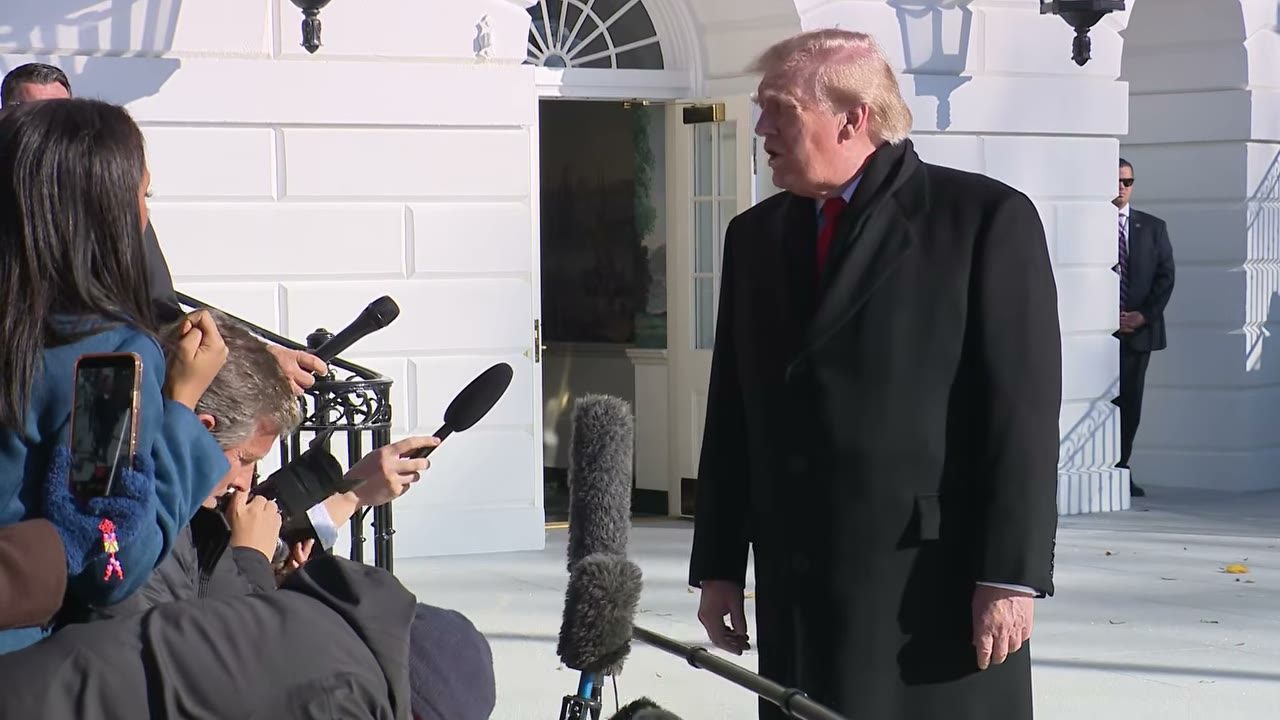
“a dividend of at least $2,000 a person… will be paid to everyone.”— President Donald Trump, promising Americans a share of the tariff revenue
The check that never came
The dividend was the other half of the president's pitch: tariff revenue would be shared directly with Americans. More than a year after the promise, no checks have been sent. Estimates cited by Democrats put the share of tariff costs borne inside the United States at about 95 percent — roughly $1,000 per household — paid through higher prices long before any refund existed.
The White House response is that the tariff era is not over. New levies of 10 to 12.5 percent rolled out last month under different legal authority, and on Monday 25 states sued to block them. Democrats, for their part, call the refund ledger proof the trade war taxed working families while executives cashed in.
What happens next
Two fights now run in parallel. In court, the states' lawsuit will test whether the replacement tariffs stand where the first round fell. At Customs, roughly $28 billion in certified refunds is still moving through the pipeline. And the $2,000 question remains exactly where it has been for a year: promised, popular — and, so far, unpaid.