
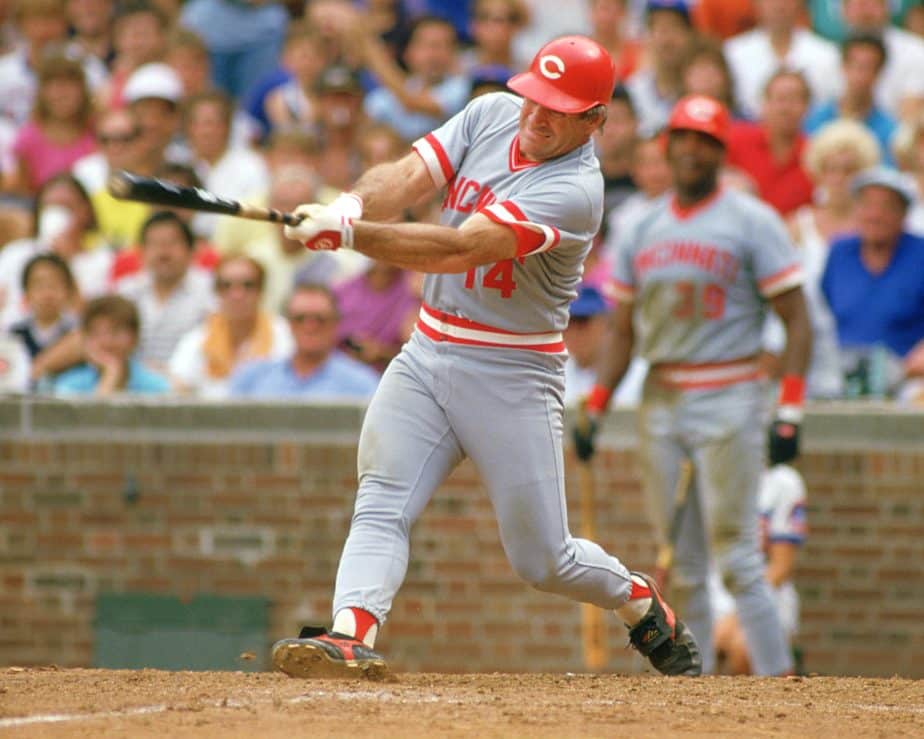
President Donald Trump has posthumously pardoned Pete Rose, baseball's all-time hits leader, 36 years after Rose pleaded guilty to tax crimes and was banned from the game for betting on it. Rose died in 2024, so the pardon clears the name of a man who spent his final decades shut out of the sport he defined.
Trump announced the pardon on Thursday in a social media post from Air Force One, as he flew home from a three-day trip to Asia. "I have just given a Complete and Total Pardon to the Late, Great Pete Rose, a true Baseball SUPERSTAR & LEGEND, whose record of 4,256 Hits in a Season will never be broken," he wrote on Truth Social. The 4,256 hits are Rose's career total, amassed over 24 years — not a single season.
“I have just given a Complete and Total Pardon to the Late, Great Pete Rose, a true Baseball SUPERSTAR & LEGEND.”— Donald Trump
The Details
Rose, who spent much of his career with the Cincinnati Reds, was nicknamed "Charlie Hustle" for his relentless style of play. He amassed 4,256 hits from 1963 to 1986, more than any player in baseball history, and built a major fan following even after the ban that barred him from the Hall of Fame and from playing or coaching.
He was banished in 1989 after he was found to have wagered on baseball, including games in which he took part as a manager. A year later, he pleaded guilty to two charges of filing false tax returns, which did not show income he received from memorabilia signings, and also did not list winnings from horse-racing wagers. He served a five-month sentence in a minimum-security prison and paid hundreds of thousands of dollars in fines and back taxes.
He died on September 30, 2024, at age 83.
The pardon covers the tax crimes, not the gambling, and does not change Rose's standing with baseball — that decision belongs to Major League Baseball. The Hall of Fame did not respond to a request for comment.
How We Got Here
A year ago, the path back had already begun. In May 2025, MLB Commissioner Rob Manfred posthumously removed Rose from the permanently ineligible list, admitting that Trump had pushed for the change in his eligibility status. Trump had repeatedly called for Rose to be enshrined in the Hall of Fame, and Manfred later acknowledged that Trump's urging in an April meeting at the White House influenced his decision.
The Hall of Fame has said that anyone removed from MLB's permanently ineligible list would be eligible for Hall of Fame consideration. The group that votes on the Hall's Classic Baseball Era ballot will meet next in December 2027, with induction in July 2028.
Earlier in November, Trump said he would consider a pardon. On October 7, he had mused: "Today you're allowed to gamble on games. How about that?" In the same post, Trump also advocated for retired pitcher Roger Clemens, the only seven-time Cy Young winner, whose Hall of Fame case has been blocked by steroid allegations he denies. "Politics, I guess!" Trump wrote.
Why It Matters
The pardon is, in the words of the Rose family's attorney, a "benevolent gesture" — but one that arrived too late to mean anything to Rose himself. "It would have been better to have occurred when he was alive," attorney Jeffrey Lenkov told Reuters. Lenkov said his appeal to Hall of Fame voters would mostly concern Rose's on-field achievement and the notion that he "paid back any debt" for both his baseball and legal transgressions.
"His absolute dedication to baseball and his intensity was what made him one of the greatest players of all time," Lenkov said. He added: "The impact on the Hall is difficult to surmise. Pete is very polarizing."
The pardon draws a line under a 36-year argument about whether the punishment fit the crime. His supporters call a lifetime ban for betting excessive, now that sports gambling is legal in much of the country; his critics note he bet on games he managed.
What Happens Next
The next decision belongs to the voters, not the president. The Classic Baseball Era committee meets in December 2027, and Lenkov's case will rest on the numbers: 4,256 hits, three World Series titles, and a career no one has matched. Whether the pardon moves any votes is, as Lenkov put it, difficult to surmise. What is certain is that Rose's name will be on a ballot for the first time.

Loading comments…