
Democrats will hold 12 debates for their 2028 presidential primary, and for the first time candidates will have to sign a pledge denouncing super PAC and so-called dark-money spending if they want a place on the stage.
The Democratic National Committee announced the plan on Monday, setting the first debate for June 2027 and the last for March 2028. The party is bracing for a crowded field as it searches for a nominee to succeed term-limited President Donald Trump.
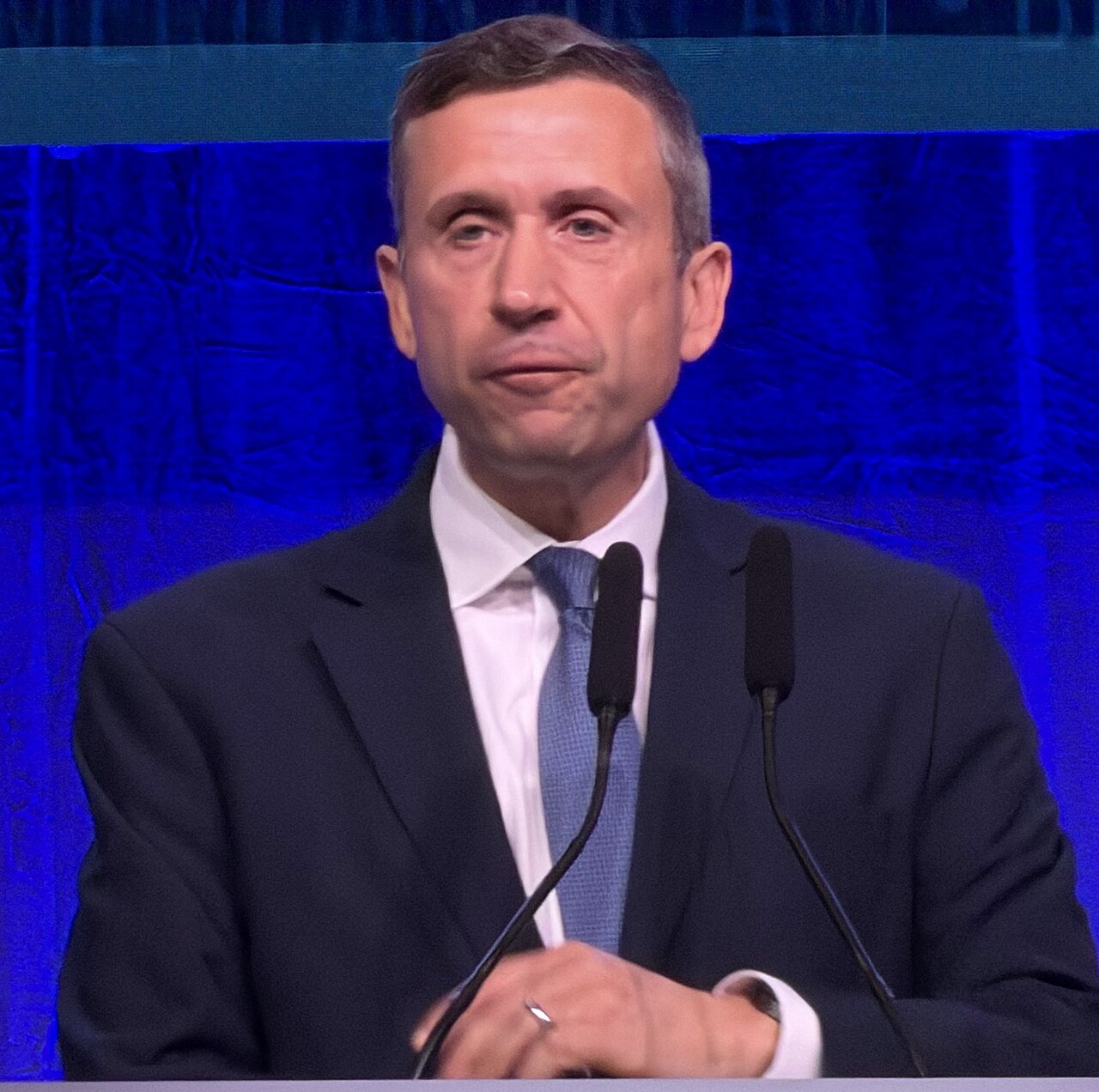
“Democrats are on offense after our historic victories in the midterms, and the DNC is keeping our foot on the gas as we head into the 2028 cycle.”— DNC Chairman Ken Martin
The new condition is a win for progressives who have long pushed the party to crack down on big money in politics. But the DNC acknowledges it has no legal authority to ban super PACs, and nothing stops an outside group from spending after a candidate denounces it.
The Details
Under the framework, there will be five debates in 2027 and seven in 2028. The first two debates will take place in June and July 2027. More details, including dates, locations and qualification thresholds, will follow in January.
The biggest change is what the DNC is calling its Fair Campaign Practices Pledge. Candidates must designate a representative who can complain to the committee about spending by a 501(c)(4) nonprofit, which does not disclose its donors, or a super PAC, which can spend unlimited amounts. If the DNC agrees the spending violates the pledge, it will ask candidates to provide a statement denouncing the spending. The DNC will publish a tracker of complaints and denunciations on its website.
If an outside group spends on a candidate's behalf without approval, the candidate must denounce it; if the candidate approved the spending, the money must be refunded with proof. The pledge applies only to the primary, not the general election.
The early debates may run over two consecutive nights, with lineups decided at random and participants capped at 20. The DNC also held 12 debates for the 2020 primary, the last time Democrats had an open nominating contest.
How We Got Here
The DNC has already overhauled its early-state lineup, keeping South Carolina first but removing Iowa and adding New Mexico, Michigan and Virginia. South Carolina votes first, on January 22, 2028, followed by Nevada, New Hampshire, New Mexico, Michigan and Virginia.
The push gained force in August, when Senator Bernie Sanders, a Vermont independent, wrote to Democratic congressional leaders calling for a ban on super PAC spending in primaries. His letter followed a Michigan Senate primary in which a super PAC linked to the American Israel Public Affairs Committee spent more than 30 million dollars against Senator-elect Abdul El-Sayed.
The DNC on Monday also named its 2028 Debate Planning Committee, led by Minyon Moore, the DNC's senior adviser for debates, and Roger Lau, the committee's executive director. The committee includes former staff for recent presidential campaigns.
Why It Matters
The debate plan is one of the most closely watched decisions the DNC makes, because debates can generate attention for lesser-known candidates and winnow a large field. With no incumbent and no clear front-runner, the rules for reaching the stage will shape who gets heard.
The pledge also sets up a test of whether a party can police money it cannot legally control. Candidates are barred by law from coordinating with super PACs, and the DNC's framework relies largely on self-reporting by the campaigns.
Sanders called the pledge excellent and urged Democrats to apply it to House and Senate primaries as well. He is among the prominent Democrats backing the new debate plan, along with Representative Greg Casar of Texas and Senator Elizabeth Warren of Massachusetts.
But sceptics inside the party questioned what the pledge can achieve. Rob Flaherty, a former Harris campaign official, asked on X what happens when everyone denounces the spending but their aligned super PAC spends anyway.
What Happens Next
The DNC will release dates, locations, media partners and qualification thresholds in January. Candidates who take part in an unsanctioned primary, or appear at a debate hosted by an outside group, can be disqualified from DNC debates.
The first real test of the new rules will come in June 2027, when the first debate stage is set — and the party will see how many candidates are willing to sign the pledge to stand on it.

Loading comments…