
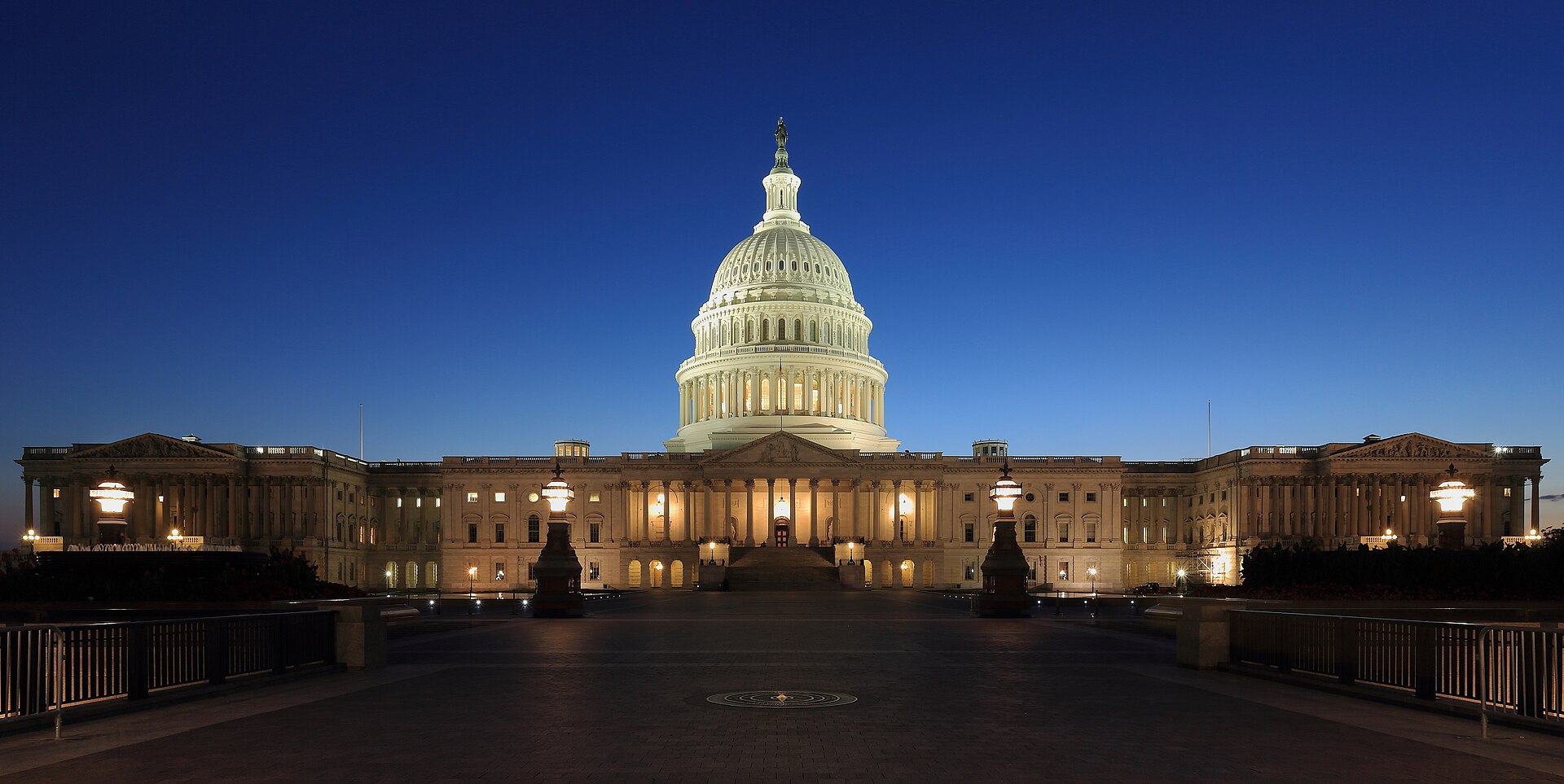
The White House has asked Congress to include billions of dollars in additional funding in a stopgap spending bill, warning that President Donald Trump's Golden Dome missile defence shield cannot keep producing without it.
The 12-page "anomalies" request, sent to Capitol Hill on Monday, outlines exceptions to current spending levels that would let the administration advance some of its biggest policy priorities even if Congress fails to reach agreement on full-year government funding. Lawmakers face a December 11 deadline to avert a government shutdown when they return to Washington next week.
“Unable to continue production.”— The White House, in its anomalies request to Congress
The request, first reported by Politico and obtained by Bloomberg Government, is one of the lame-duck Congress's last major acts before Democrats take control of both chambers in January.
The Details
The largest single item is a 5 billion dollar annualised funding rate for Golden Dome, the president's plan to build a missile defence shield over the United States. The White House warned that without the provision, the program would be "unable to continue production" that began with funding from the One Big Beautiful Bill Act.
The White House is also seeking roughly 21.3 billion dollars in annualised funding increases for the Navy's submarine programs, as well as authority to begin purchasing materials to build the first "Trump-class" battleship.
Beyond military spending, the administration is seeking billions to fund NASA's Artemis program to return American astronauts to the moon, as well as additional funding for wildfire suppression to address potential shortfalls.
There is also a request for a 70 million dollar annualised increase for infectious disease surveillance programs at the Centers for Disease Control and Prevention. The administration warned that federal funding allocated during the COVID-19 pandemic will run out by the beginning of January.
The document indicates that additional Pentagon funding requests are forthcoming, as the Trump administration's push for a 1.5 trillion dollar defence budget stalls in Congress.
How We Got Here
A stopgap spending bill, known as a continuing resolution, keeps the government funded at current levels while Congress negotiates full-year appropriations. Administrations submit "anomalies" — exceptions to those frozen levels — for programs that cannot wait, or that would otherwise run out of money.
The current stopgap expires on December 11. With little progress toward a bipartisan spending agreement, Congress will likely pursue another continuing resolution before Democrats take control in January. Democrats have pushed for a continuing resolution running into early next year, while some Republicans are hoping they can still pass some full-year funding bills.
December 11 carries several deadlines at once. Congress temporarily delayed a ban on intoxicating hemp products in September, and that reprieve expires the same day. The White House is asking lawmakers to revise federal law to preserve access to nonintoxicating CBD products while maintaining restrictions on products that pose health risks and preventing their sale to children. Without action, the ban would take effect overnight.
Golden Dome's funding has already been a point of friction inside the Republican Party. The Senate Appropriations Committee's draft defence bill funds the shield at roughly half of what the White House asked for, a sign that appropriators want the program built through the regular process rather than through reconciliation.
Why It Matters
The anomalies list is the administration's menu of what it wants locked in before it loses control of Congress. Golden Dome is Trump's signature defence project, and the request makes clear that the production line started under last year's reconciliation law cannot sustain itself on a frozen budget.
The submarine request, at more than four times the Golden Dome figure, is the largest item in the package, and it comes as the Navy warns its shipbuilding programs are already behind schedule. The Artemis funding would keep the moon program moving after years of delays and cost overruns.
For lawmakers, the December 11 deadline concentrates the fight. The same bill that keeps the government open must also decide the fate of the hemp ban, the CDC's disease surveillance funding and the administration's defence priorities, all in a lame-duck session with little time to spare.
What Happens Next
Congress is expected to take up the stopgap bill when it returns next week. If lawmakers include the White House's anomalies, Golden Dome production and the submarine programs get their funding rates through the stopgap period. If they strip them out, the administration will have to fight for the money again in January, under a Democratic Congress.

Loading comments…