
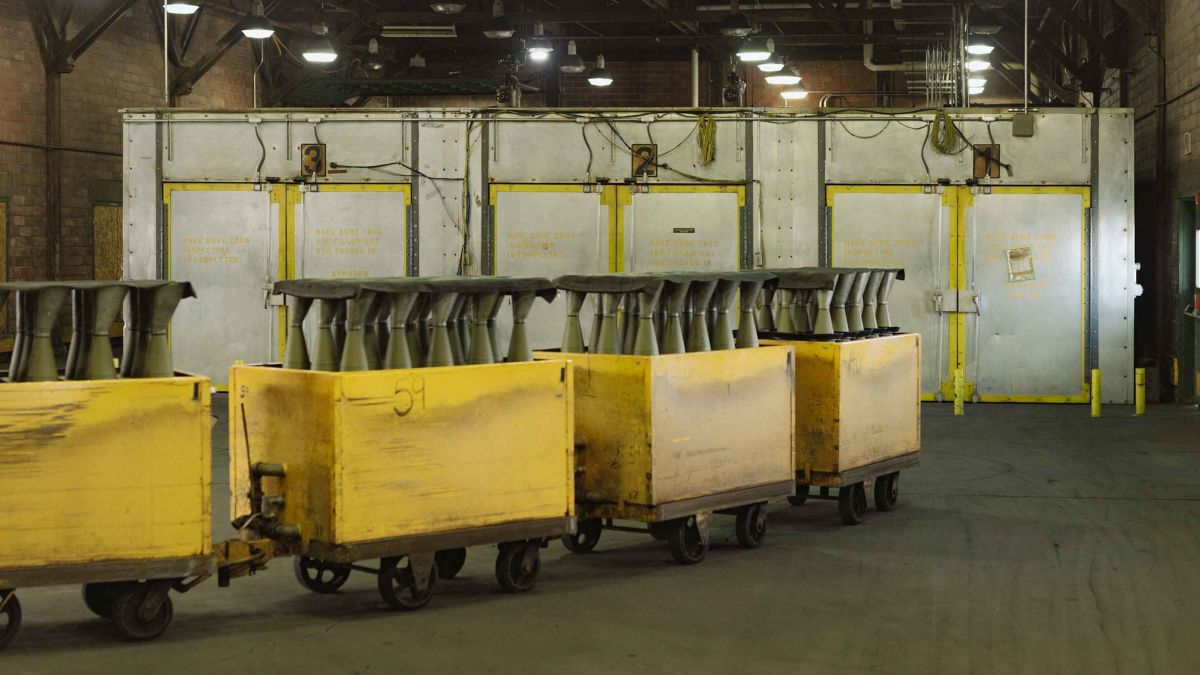
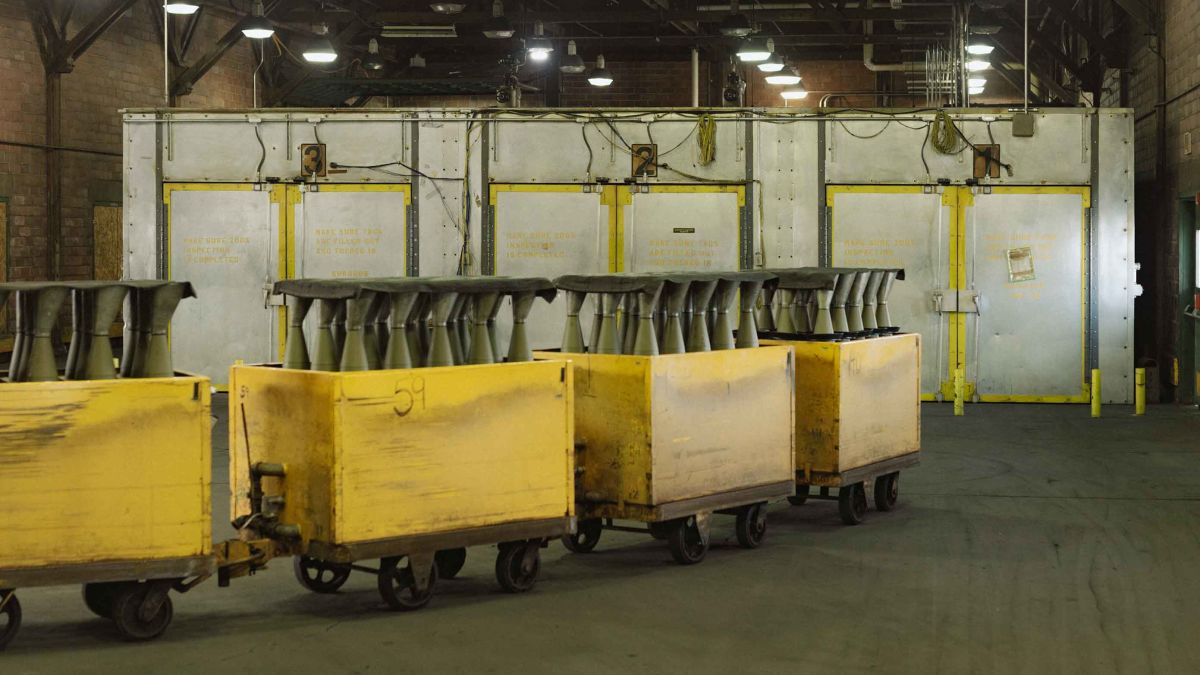
A federal appeals court on Monday rejected environmental groups' bid to block the U.S. Army from blowing up deteriorating explosives at an Iowa ammunition plant — but the blast is still on hold.
The decision comes hours after President Donald Trump ordered the military to hold off until the court and the incoming governor approve it. The court has now acted. Sand has not.
“A controlled detonation with attendant safety measures better alleviates the risk of irreparable harm than the risk of an uncontrolled explosion.”— Eighth Circuit opinion
"A controlled detonation with attendant safety measures better alleviates the risk of irreparable harm than the risk of an uncontrolled explosion," the judges' opinion reads.
The Details
The Eighth Circuit on Monday lifted the temporary hold it had placed on the detonation, finding the environmental groups that sued were unlikely to succeed.
The federal government had decided to blow up the nearly five tons of hazardous material containing lead azide where it sits at the plant — deeming a controlled detonation the only safe way to treat it, even though it could unleash remnants into the atmosphere, groundwater and neighboring towns.
Trump said he would hold Sand responsible if he blocks the detonation and the munitions explode spontaneously.
"If he or the Courts do not agree, we will have no choice but to not proceed with the controlled removal of these hazardous materials, and be forced to hold the incoming Governor responsible for any and all death or destruction," the president wrote.
Sand wrote on X on Monday afternoon that the administration "should make this decision based on the information they have from the people they brought in to do the job months ago."
Sand said Iowans should have the same access to information he received in briefings.
How We Got Here
Lead azide, a volatile material used to detonate munitions, has long been stored at the Iowa Army Ammunition Plant — a World War II-era facility spanning roughly 19,000 acres near Middletown, a town of about 400.
Long-term storage has allowed the material to recrystallize, making it vulnerable to spontaneous detonation, according to the Army. The Army notified the EPA in March of degraded material and activated a multi-agency working group to explore alternatives.
In March, the Army awarded a contract to MuniRem Environmental, a Georgia firm that neutralizes munitions with chemicals. The military canceled the deal two months later, citing safety concerns, and opted for detonation — "the only safe method of treatment," the Army wrote.
The EPA issued a permit effective Nov. 13 authorizing a controlled detonation. The permit requires sampling and monitoring, public notifications, cleanup and reporting.
The Iowa Environmental Council and the Sierra Club filed an emergency motion asking the Eighth Circuit to stay the permit less than 20 hours before the blast. The court granted the stay the same day.
The federal government urged the appeals court on Nov. 22 to lift its temporary pause, arguing the operation would expose the public to a greater danger: an uncontrolled explosion.
"There is an immediate risk that the lead azide at the Facility will spontaneously explode," the federal government wrote.
The government acknowledged a "controlled detonation will release lead dust," but said "a controlled detonation is the only way to minimize the release."
Why It Matters
The court's ruling settles the legal question but not the political one: the detonation now rests on Sand alone.
Sand is using his leverage to demand transparency. His argument is not that the blast should never happen — it is that Iowans should see the same evidence he saw.
The environmental groups submitted sworn statements from two scientists saying they have not seen evidence of an emergency requiring an immediate detonation.
The Army has ruled out all other disposal options. Environmental groups contend the emergency "is of the Army's own making."
Middletown Mayor Rodney Johnson backs a swift detonation. Rep.-elect Christina Bohannan called it "gross mismanagement and miscommunication"; Rep. Ashley Hinson called the operation a "total failure."
What Happens Next
The detonation is scheduled for Wednesday, Nov. 25, "to allow for optimal weather conditions and all mitigation measures to be emplaced," the Army said. Health officials have advised people in affected areas to stay indoors on Wednesday, with windows closed for 24 to 48 hours after the operation.
But under Trump's order, the blast cannot go ahead without Sand's agreement — and Sand has shown no sign of giving it.
If the blast does not happen this week, the window narrows: the material grows more unstable as temperatures fall below 30 degrees.


Loading comments…