
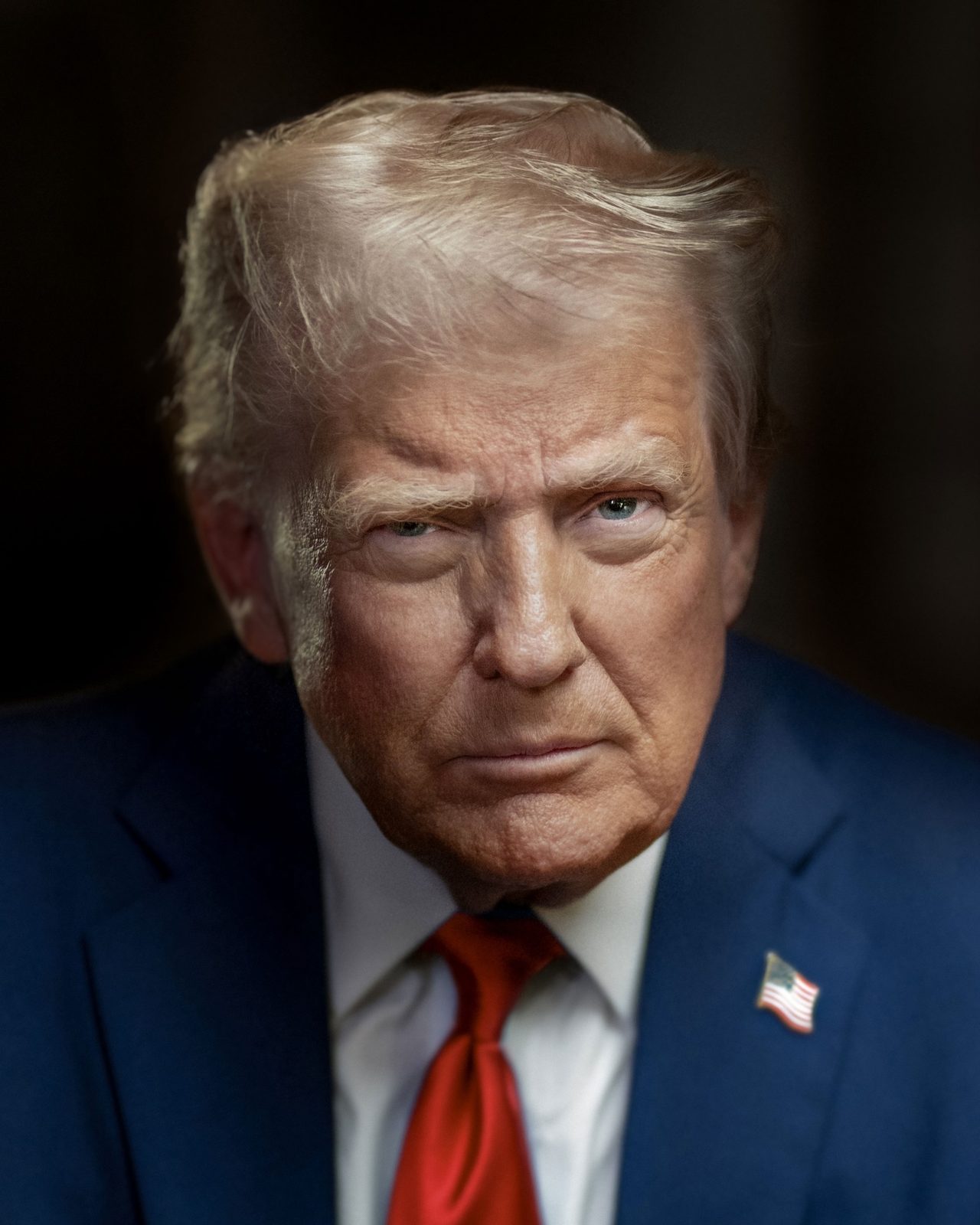
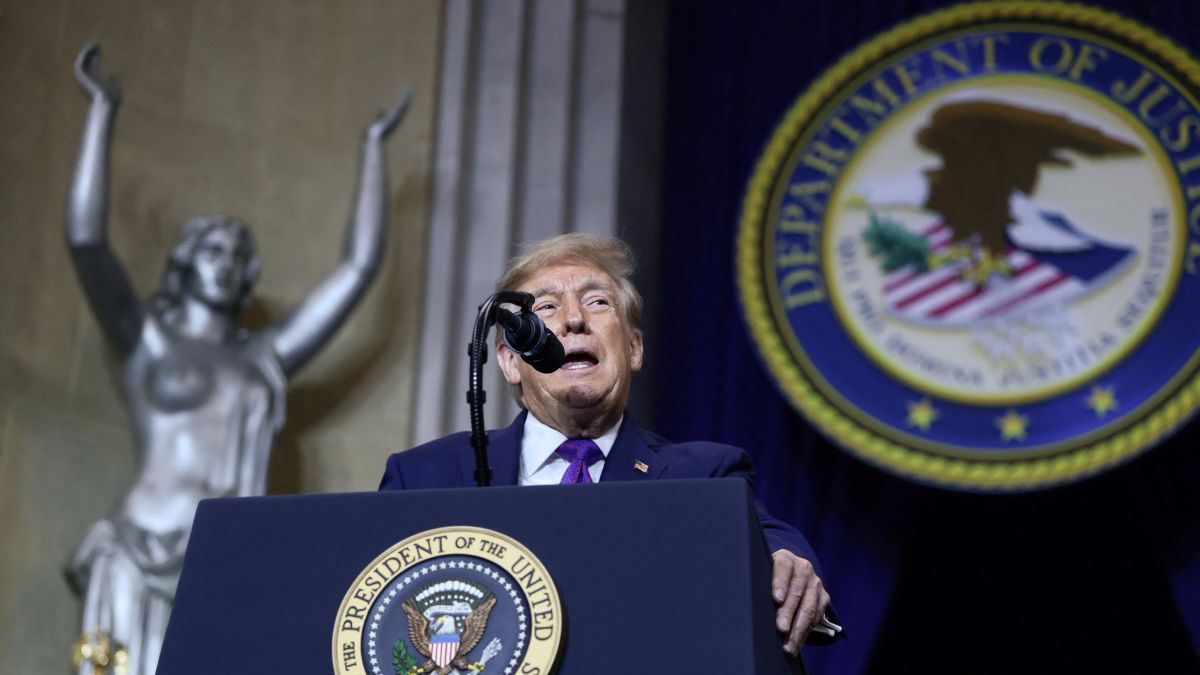
WASHINGTON — Jensen Huang is back in charge of Nvidia — and President Donald Trump says it happened because he made it happen. On Monday morning, the chipmaker's board voted unanimously to reinstate Huang as chief executive, president and director, 11 days after he resigned. Within hours, Trump was on CNBC claiming the credit: he had spoken to the board 'directly and indirectly,' he said, and 'I believe my intervention was very important.'
The company said the board acted after receiving 'input from senior levels of the United States government' and was confident Huang's return posed no national security risk. Trump went further. 'The board decided to do what we wanted them to do,' he told CNBC. He said he had spoken to Huang on Sunday night, and that Huang told him: 'I'm gonna work harder than I've ever worked.'
“The board decided to do what we wanted them to do.”— President Donald Trump, CNBC, Nov. 23, 2026
How We Got Here
Huang resigned on Nov. 12 after reports of two extramarital affairs — one with Alice Huang, a Singaporean technology executive U.S. officials feared could be working for Chinese intelligence, and one with a fellow Nvidia executive, according to the New York Times. The company's board and the FBI opened investigations. Days later, board chair Harvey Jones said on an earnings call that the board had 'unanimously accepted' Huang's resignation and 'does not intend to reinstate Jensen as CEO.'
The fallout was immediate. Nvidia lost $573 billion in market value in a single week, and last week ranked among the stock market's worst since the 2008 financial crisis. Trump, who has a close relationship with Huang and has called him a 'national treasure,' told CNBC the sell-off 'probably' shaped his thinking. He also said he worried Huang might take his talents to a Chinese firm.
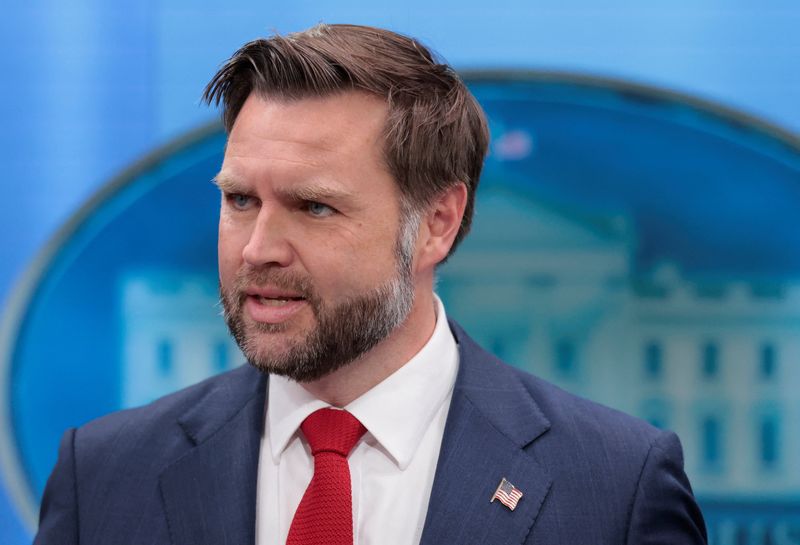
So the White House went to work. Trump asked Vice President JD Vance to lead the effort, and over the weekend Vance coordinated calls to the board, after consulting Attorney General Todd Blanche and others, according to U.S. officials. Treasury Secretary Scott Bessent, Defense Secretary Pete Hegseth and White House Chief of Staff Stephen Miller were involved. Vance told directors the government had found no evidence Huang had done anything illegal or posed a security risk. The campaign was so discreet that some senior Nvidia staff learned of the decision only shortly before Monday's announcement.
Why It Matters
The market answered fast. U.S. stocks, powered by the technology industry, soared on Monday after the announcement. When Huang returned to the company's Silicon Valley headquarters, employees gathered in the atrium and cheered him, in a scene broadcast on CNBC. 'I think we have one of our great stars back in play,' Trump said. He added that he was no longer concerned about an AI bubble, 'because we have one of our stars back in play.'
The episode also shows how far this White House will go to steer a private company. Trump has used his leverage with corporate America before, but a president personally lobbying a board to restore a chief executive — and then publicly claiming the decision as his own — is a step further. White House communications director Steven Cheung put it bluntly: 'President Trump was totally involved and this is a great decision by the Nvidia board. We have to protect our geniuses.'
The scrutiny, however, has not gone away. Huang is still scheduled to appear on Dec. 1 before three House committees — Foreign Affairs, the Select Committee on China, and Intelligence — and Nvidia's internal investigation continues. Trump said the attorney general 'does not possess evidence that he has engaged in any unlawful conduct,' and the board said it was satisfied with Huang's candor. Democrats in Congress, who take control of both chambers in January, are preparing their own inquiries into the affair and the administration's role in it.
What Happens Next
Huang's Dec. 1 testimony will be the first public test of the board's decision — and of the White House's assurances. Lawmakers are expected to press him on the relationship with Alice Huang, on what the company knew and when, and on whether the government leaned on a board to protect a chief executive it considered too important to lose.
For now, the comeback is complete: the founder is back, the stock is up, and the president is taking a bow. The question that follows him back into the building is the one the board and the White House have both tried to answer in advance — whether the man at the top of America's most valuable chipmaker is a national asset, or a national security risk. Congress intends to ask it in person, in eight days.
© 2026 Capitol Wire Daily. All rights reserved. Capitol Wire Daily reports facts from official statements and verified reporting; developing stories are labeled as such.

Loading comments…