
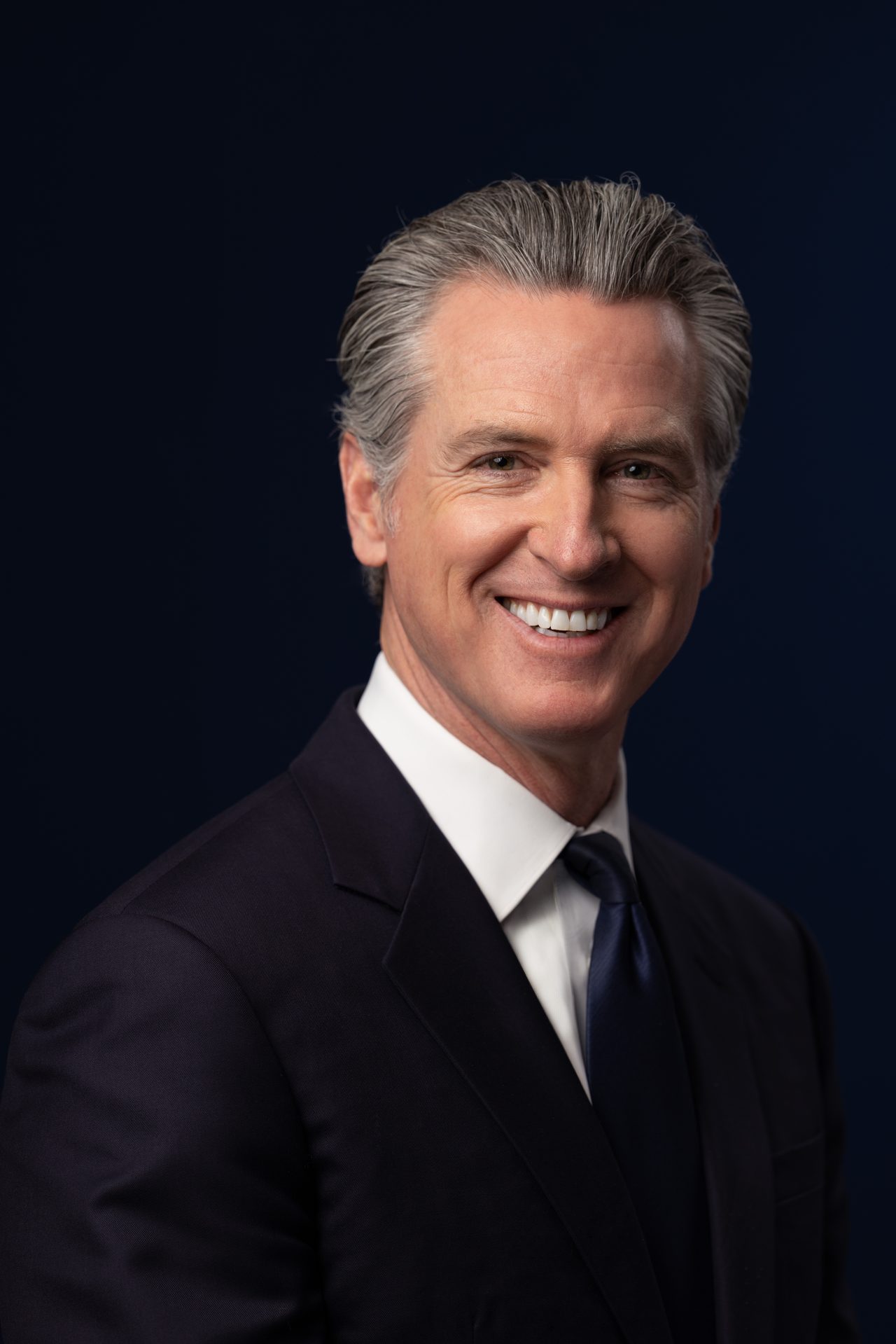
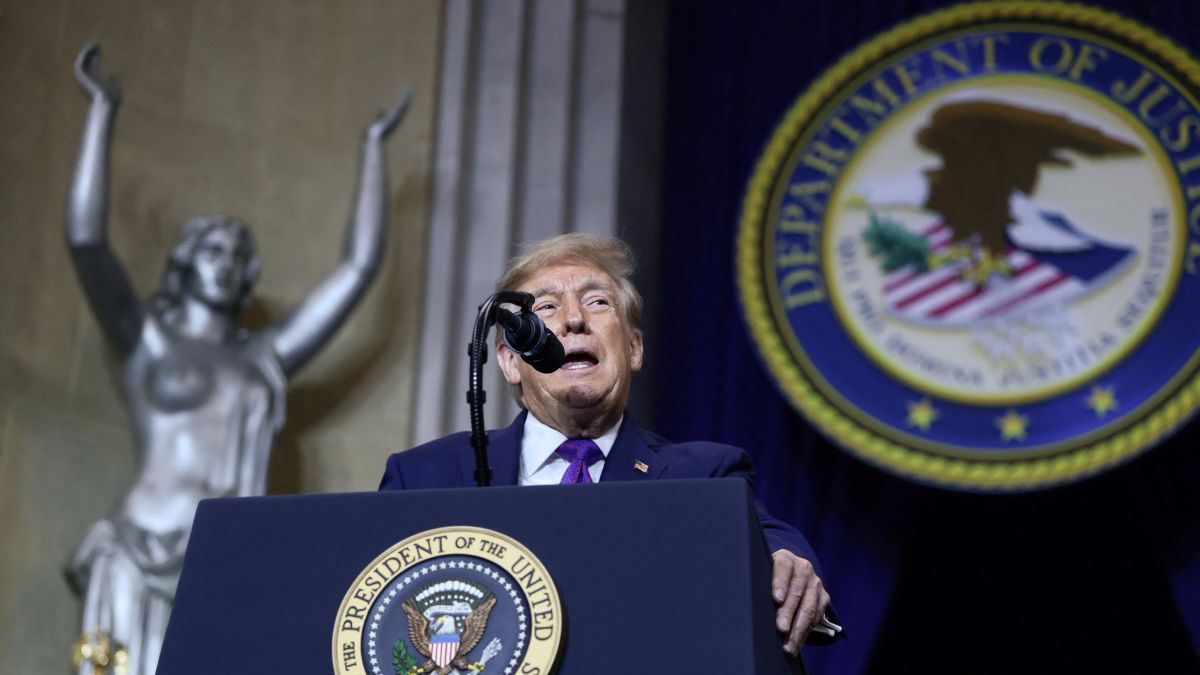
WASHINGTON — Gov. Gavin Newsom of California wiped out every death sentence in his state with a single stroke on Nov. 5 — 548 of them, the largest mass commutation in modern American history. On Monday afternoon, President Donald Trump will answer at the Justice Department, standing with the families of the people those inmates were convicted of killing.
Trump will appear alongside Attorney General Todd Blanche and FBI Director Kash Patel, the White House confirmed. The families expected to attend include Marc Klaas, whose 12-year-old daughter Polly was kidnapped and murdered in 1993 — a case that helped drive California's “Three Strikes” law. Trump called Newsom's decision “a disaster for Justice in America” on Truth Social on Saturday.
“a disaster for Justice in America.”— President Donald Trump, Truth Social, Nov. 21, 2026
How We Got Here
Newsom announced the commutations on Nov. 5 in an open letter to Californians, saying capital punishment was “incompatible with the state's values” and that the death penalty system was fundamentally flawed and could not be administered fairly. The 548 sentences — 529 men and 19 women — would become life in prison without the possibility of parole. No one walks free, and no conviction is overturned. The group amounts to roughly a quarter of all death sentences in the United States.
California has not executed anyone since 2006, and Newsom imposed a moratorium on executions when he took office in 2019 — even as voters twice rejected attempts to repeal capital punishment outright. The commutations are his final, defining act as governor: he leaves office in January.
The White House answered with names. It gave reporters a list of 20 notorious killers who would benefit from the commutations, including Marcus Wesson, convicted of murdering nine members of his family in Fresno, among them children and grandchildren; Richard Allen Davis, who kidnapped and murdered Polly Klaas; and Isauro Aguirre, convicted of torturing and murdering 8-year-old Gabriel Fernandez. “Governor Newsom must stop playing politics with public safety,” White House spokeswoman Lauren Bis said, adding that Trump “will always stand with innocent victims.”
Newsom's office did not directly address the individual cases on the White House list, referring instead to the governor's open letter. Newsom has acknowledged that some victims' families strongly oppose his decision, while his office has pointed to other survivors who support ending capital punishment.
Why It Matters
The commutations are not final yet — and that is where the fight now sits. Under California law, 382 of the 548 cases require a recommendation from the state Supreme Court because the inmates have multiple felony convictions. A coalition led by the Criminal Justice Legal Foundation, acting for 28 district attorneys, 31 relatives of murder victims and several law-enforcement and victims' rights groups, has asked the court to stop the plan, arguing that Newsom skipped the required notice to victims and prosecutors and bypassed the procedures for individual commutations. Briefs are due Tuesday, Nov. 24, with Newsom's response due Dec. 4.
There is also a hard limit on what Monday's event can do. The Trump administration has no general authority to overturn a governor's commutation of state crimes; clemency for state convictions rests with the state, not the president or the Justice Department. Trump cannot reverse the commutations by executive order, and Blanche cannot direct California to keep its death sentences.
So the Justice Department appearance is pressure, not power — but pressure aimed at a specific audience. Newsom is expected to launch a bid for the 2028 Democratic presidential nomination as soon as January 2027, and the death-row decision is now part of the opening of that campaign: a moral stand to his supporters, and to his critics, a gift to an opponent who has already made law and order the center of his closing argument.
It also tests how far a governor's clemency power reaches when applied to every sentence at once. California holds the largest death row in the country, and no governor has ever tried to empty one in a single stroke. If the state Supreme Court lets the commutations stand, the precedent will be cited by every governor who follows. If it blocks them, Newsom's final act ends in the court he asked to approve it.
What Happens Next
Monday afternoon brings the Justice Department event, with Trump, Blanche, Patel and the victims' families in the same room. Tuesday brings the first court deadline, when briefs land at the California Supreme Court. Newsom's response follows on Dec. 4, and the court's decision will settle whether the 382 commutations that need its approval go through — and with them, the rest.
For now, the number stands: 548. Whether it survives the courts — and what it costs Newsom when he asks the country for a promotion in 2028 — gets decided in the weeks ahead.
© 2026 Capitol Wire Daily. All rights reserved. Capitol Wire Daily reports facts from official statements and verified reporting; developing stories are labeled as such.


Loading comments…