
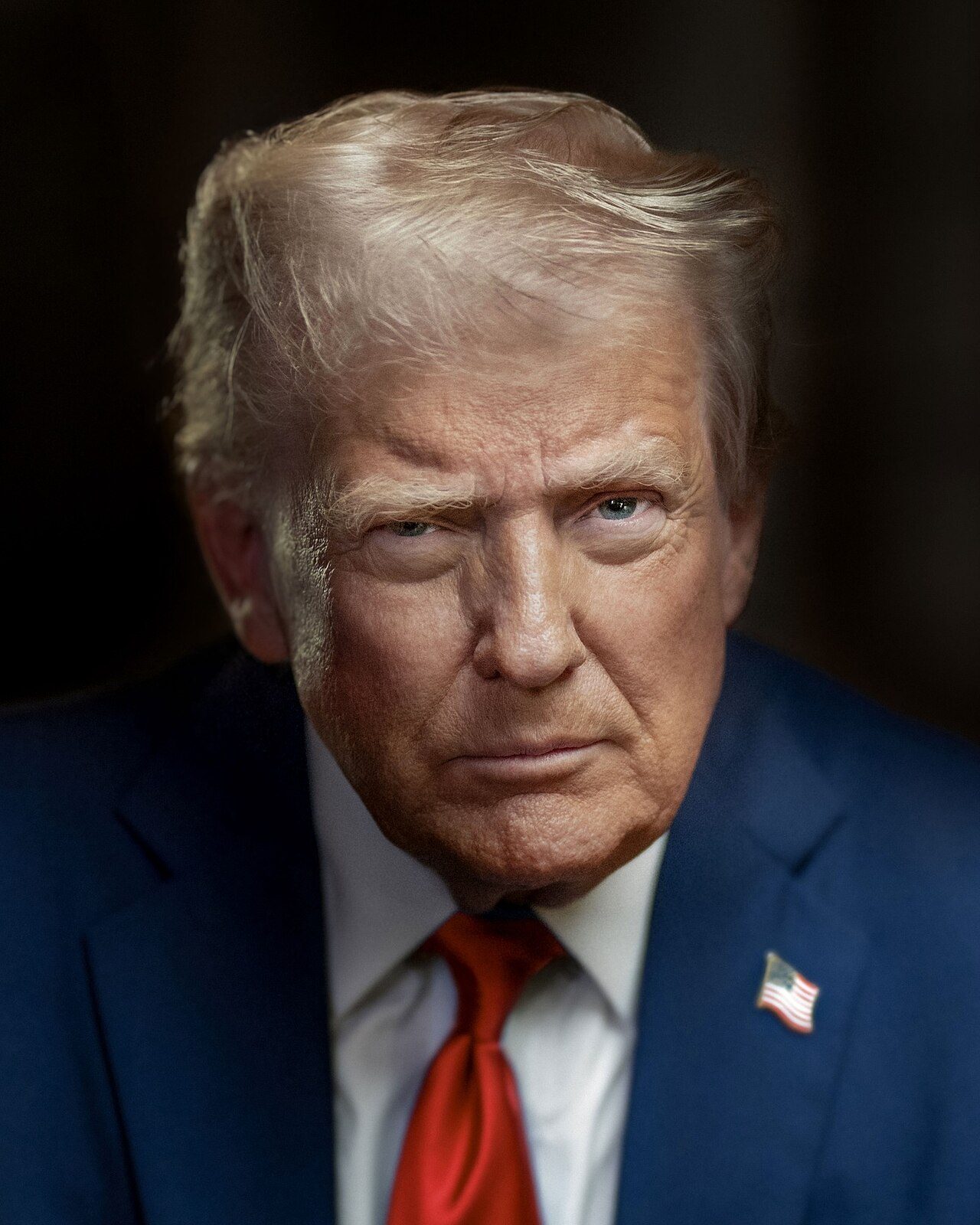
WASHINGTON — President Donald Trump said on Sunday that he is inclined to resume military strikes against Iran after the new year if diplomatic talks fail, setting a public deadline in the months-long confrontation — and warning that Iranian ships testing the American naval blockade would end up "at the bottom of the sea like the rest of the navy."
In a telephone interview with Fox News chief foreign correspondent Trey Yingst, Trump dismissed the ongoing indirect talks with Tehran, calling Iranian negotiators "professional tap dancers." He also said Iran had grown "more aggressive now than before the election," and claimed Tehran launched "more drones and missiles in the last week than at any time for over a year" — all of which, he said, were shot down without damage.
“They'll all be at the bottom of the sea like the rest of the navy.”— President Donald Trump, to Fox News, Nov. 22, 2026
How We Got Here
The warning sharpens a position Trump had softened only days earlier. On Thursday, he said he was "not rushing into any decision" and would "see what happens after the beginning of the year." By Sunday, the timeline had hardened into a stated inclination: strikes after Jan. 1 if no deal is reached — though Trump announced no final decision and named no specific date.
The confrontation has been running since the war with Iran began on Feb. 28, 2026. Last Tuesday, the United States struck a missile launch site on Qeshm Island in the Strait of Hormuz, which the administration said was in response to aggression by Iran's Revolutionary Guard. Two American aircraft carrier strike groups are operating in the Arabian Sea, and Iranian state media has released video of underground missile stockpiles.
At home, the war has already reshaped Washington. On Nov. 19, the Senate rejected a war powers resolution that would have limited Trump's military authority, in a 48–51 vote. The fight is now colliding with the Dec. 11 deadline, when federal funding runs out — and some Democrats are debating whether to use that deadline to cut off money for the war.
Why It Matters
Trump tied the Iran threat to the Nov. 3 midterm elections, when Democrats won control of both chambers of Congress. In a burst of Truth Social posts on Sunday, he claimed two predictions about the election had come true: markets would fall if Democrats won, and Iran would grow more aggressive. "The Market is down more than 6 Trillion Dollars since the Democrats' rather strange 'win' on November 3rd," he wrote. "NASDAQ, by itself, is down 20%."
Treasury Secretary Scott Bessent, appearing Sunday on CBS News' "Face the Nation," backed part of that case, saying the sell-off "began as the Democrats moved ahead in the polls and then accelerated after Election Day," and that Democrats' position on the AI buildout had spooked investors. He also pointed to hawkish comments from Federal Reserve officials. Stocks, analysts note, also respond to interest rates, corporate earnings and broader economic conditions — and Democrats do not take control of Congress until Jan. 3, 2027.
Trump also repeated his claim that the Nov. 3 election was "very strange," without providing evidence, and accused Democrats and Iran of working to keep oil prices high before the vote. "Too bad the Voters didn't understand this before they pulled the trigger," he wrote.
Democrats answered the strikes threat on the Sunday shows. House Speaker-designate Hakeem Jeffries told CBS that Democrats plan "very early on in the new Congress" to "end this reckless and costly war of choice in Iran," which he blamed for higher gas, food and diesel prices. Senator-elect Abdul El-Sayed, asked on NBC's "Meet the Press" whether he would back a shutdown to defund the war, said it "wouldn't be Democrats shutting down the government" but "Donald Trump choosing his war over a functional government."
Iran, for its part, has not answered the new strikes threat directly. Foreign Minister Abbas Araghchi has said Tehran remains open to talks but insists on guarantees and refuses to send its enriched uranium abroad. Indirect talks continue through intermediaries.
What Happens Next
Three deadlines now line up. Federal funding expires Dec. 11, when Democrats must decide whether to risk a shutdown over war funding. The new Congress takes office Jan. 3, when Democrats gain the gavel and the power to force votes on the war. And Trump's new-year window for strikes opens Jan. 1.
For now, the talks go on and the threats get louder. Whether January brings a deal, a new round of strikes, or a funding fight that shuts down the government may be decided in the same few weeks.
© 2026 Capitol Wire Daily. All rights reserved. Capitol Wire Daily reports facts from official statements and verified reporting; developing stories are labeled as such.


Loading comments…