

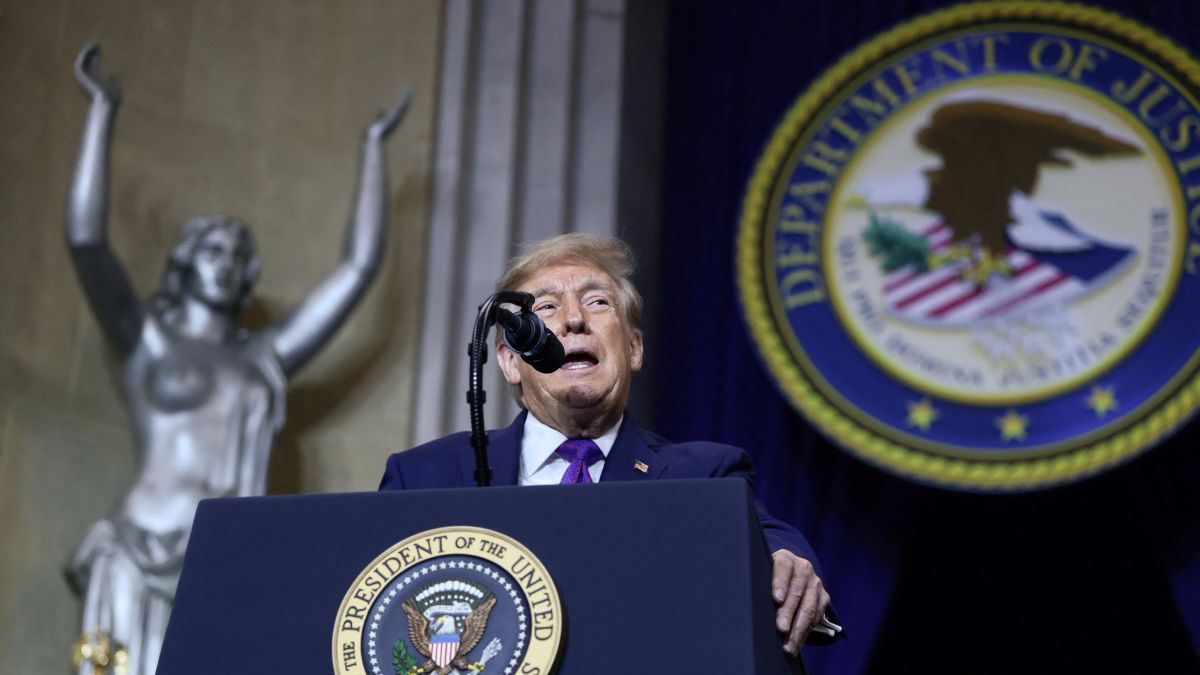
WASHINGTON — President Donald Trump on Monday ordered the U.S. Army to pause its plan to blow up nearly 10,000 pounds of deteriorating explosive at a military plant in Iowa, stepping into a standoff between the Army, environmental groups, and a federal appeals court two days before the detonation was scheduled.
In a post on Truth Social, Trump said he was ordering the military not to proceed "until such time as the Eighth Circuit agrees that we can go forward" — and made the decision "fully subject to the incoming Governor Elect, Rob Sand, agreeing to the operation." The Army had planned to detonate 68 barrels of degraded lead azide, a toxic chemical used in military munitions, at the Iowa Army Ammunition Plant on Wednesday, Nov. 25.
“I feel the proper course is to get rid of this longterm problem but, at the same time, have ordered the Military not to do so until such time as the Eighth Circuit agrees that we can go forward.”— President Donald Trump, Truth Social, Nov. 23, 2026
How We Got Here
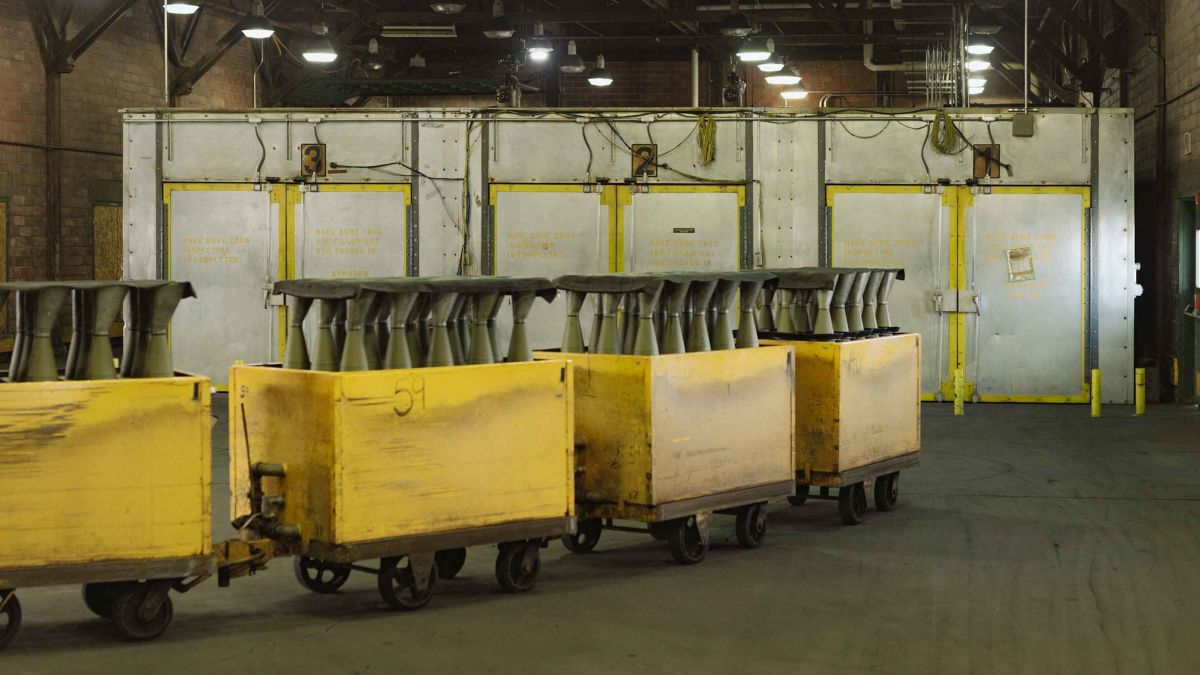
The stockpile has been sitting at the plant in Middletown, in southeastern Iowa, for years. The Army discovered that the lead azide had recrystallized, making it dangerously unstable — too risky to move, and, in the Army's view, too risky to leave alone.
The Environmental Protection Agency issued a permit effective Nov. 13 that allowed continued storage and went further, authorizing a controlled detonation "in order to safely manage the explosive hazard and mitigate the imminent threat to the surrounding community and the environment." The Army announced the blast for Nov. 20 and told nearby residents to leave the area for most of the day.
Public outcry followed, and environmental groups sued. On Thursday, Nov. 19, the U.S. Court of Appeals for the Eighth Circuit temporarily halted the operation by freezing the Army's environmental permit. The Army postponed the blast, and as of late Sunday said it planned to detonate the material on Wednesday, Nov. 25. Over the weekend, the Justice Department urged the appeals court to lift the pause, arguing that a controlled detonation was necessary "to protect the public from the more significant threat from an uncontrolled explosion."
On Saturday, the EPA added a new warning: temperatures in Iowa are expected to drop below 30 degrees Fahrenheit (minus 1 degree Celsius) this week, and the agency said there is an immediate risk the lead azide could explode on its own in the cold.
Why It Matters
The dispute is a collision of two dangers, and both sides describe the other option as the reckless one. The Army and the EPA say the chemical has degraded past the point where it can be safely stored or transported, and that a controlled blast — on the plant's 19,000 acres, with residents moved away — is the least dangerous way to dispose of it.
The environmental groups that sued say the Army has not shown the detonation is safe for the surrounding community, and they won the first round in court when the Eighth Circuit froze the permit. The court has not yet ruled on the merits.
Trump's intervention adds a political layer to a technical and legal fight. By making his order conditional on Sand's agreement, he handed a decision to the incoming governor, who takes office in January — and he said he would hold Sand responsible if Sand blocks the operation and the munitions explode spontaneously, as the Army has said is possible. Sand posted on X over the weekend that "no good options exist." He did not immediately respond to Trump's order on Monday.
The timing is tight: the blast was set for Wednesday, and the court has given no date for a ruling. Meanwhile, the cold snap the EPA warned about is arriving this week.
What Happens Next
The Eighth Circuit now decides whether to lift its stay. If it does, the question passes to Sand — who must agree before the Army can proceed under Trump's order — and to the Army, which has said it is ready to detonate as soon as it is allowed.
If the court keeps the stay in place, the stockpile stays where it is, through a week of sub-freezing temperatures the EPA says raise the risk of an uncontrolled explosion. Either way, the 68 barrels in Middletown are not going anywhere on their own — and the decision about what happens to them now rests with a court, a governor-elect, and a president who has said he will not move without both of them.
© 2026 Capitol Wire Daily. All rights reserved. Capitol Wire Daily reports facts from official statements and verified reporting; developing stories are labeled as such.


Loading comments…