
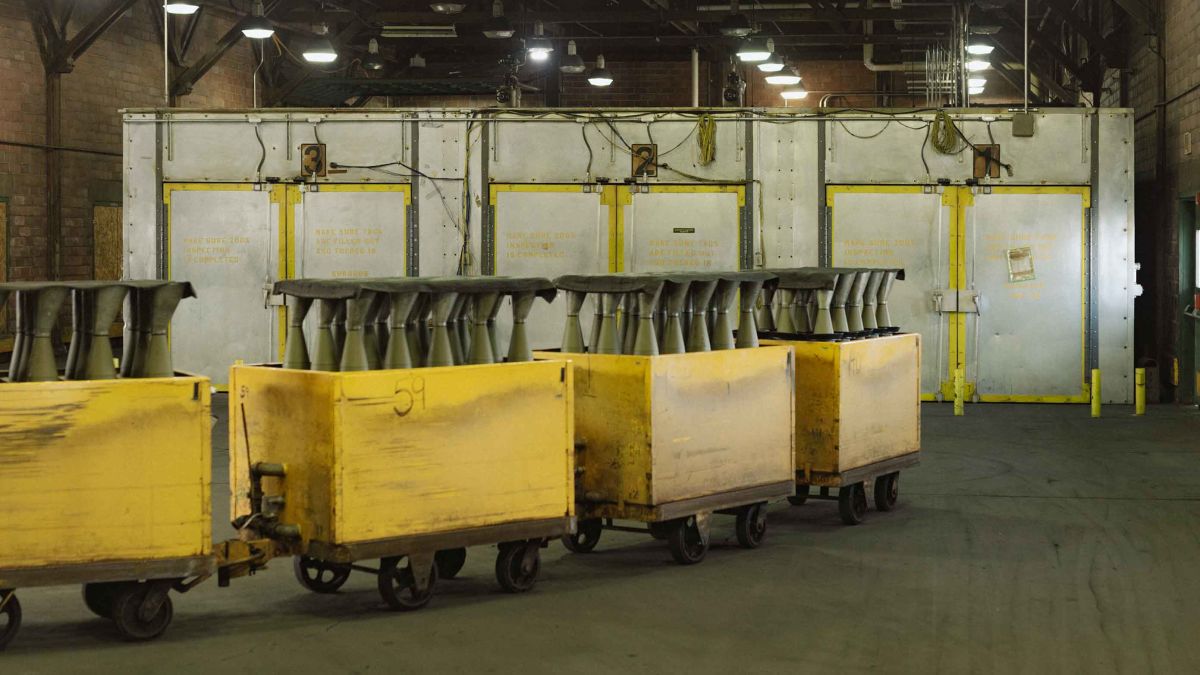
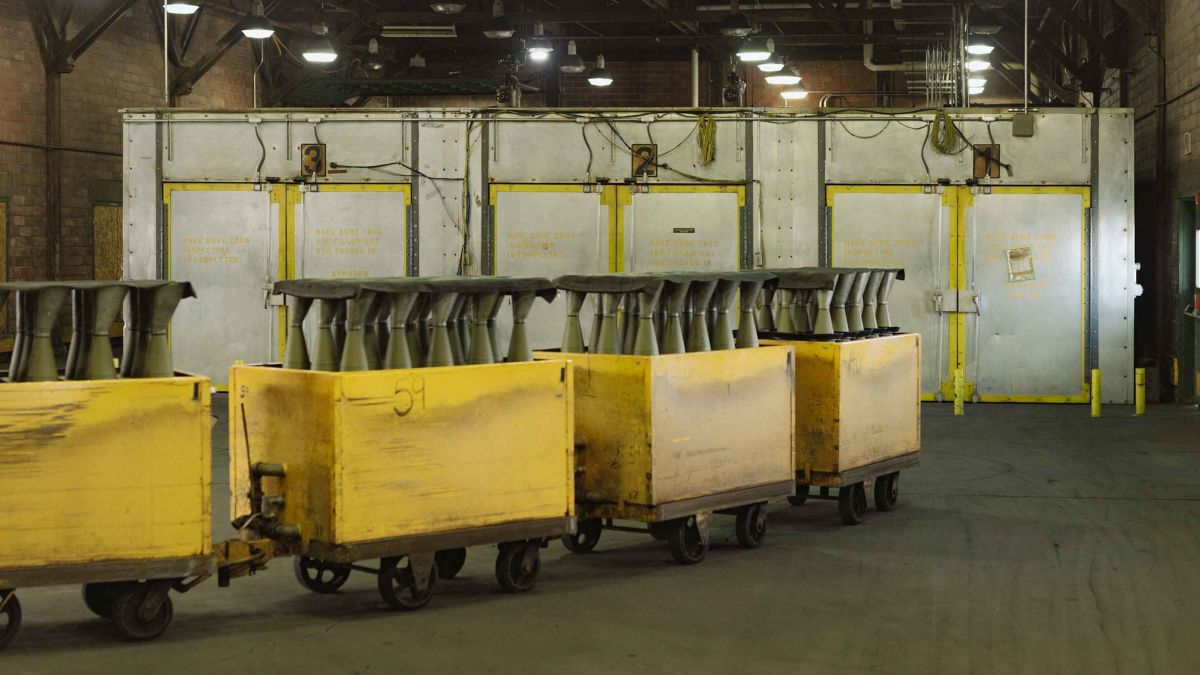
President Donald Trump ordered the U.S. Army on Monday to pause its planned detonation of 9,500 pounds of unstable lead azide in Iowa.
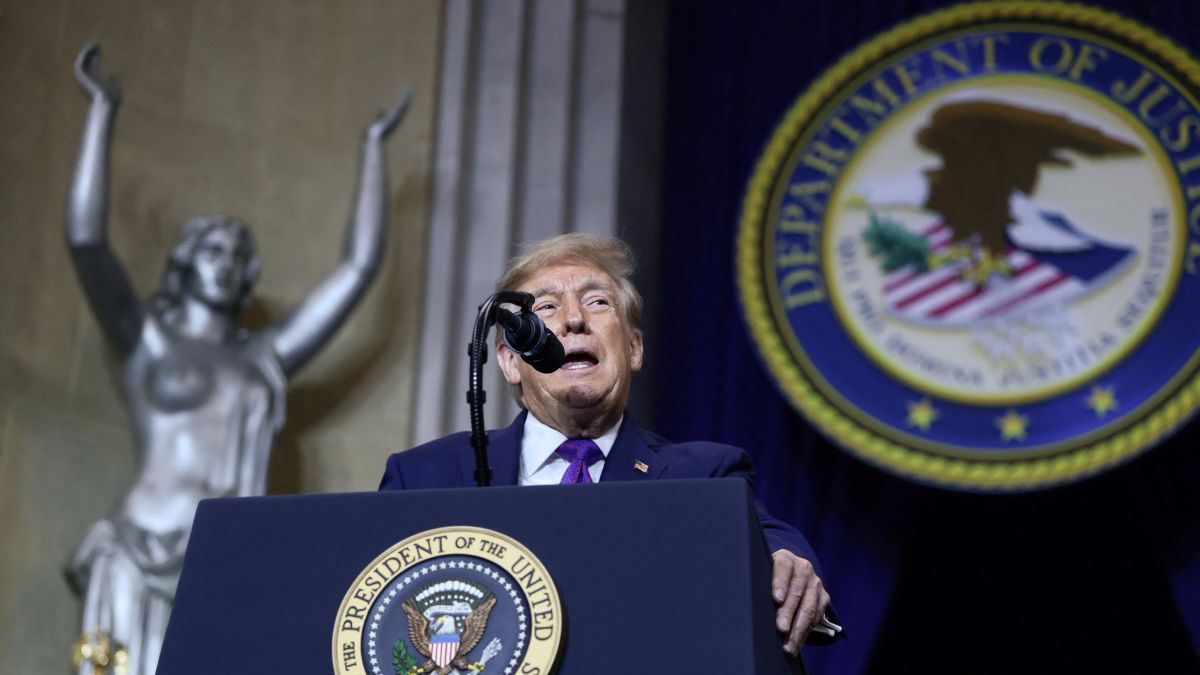
Trump said on Truth Social the blast could only go ahead once a federal appeals court and Iowa's incoming governor both agreed. He still believes detonation is the best course — but if either refuses, the Army stands down.
“we will have no choice but to not proceed with the controlled removal of these hazardous materials”— President Donald Trump, on Truth Social
The Details
Trump's condition was twofold: the U.S. Court of Appeals for the Eighth Circuit must approve, and Governor-elect Rob Sand, a Democrat, must agree. Sand had posted on X that "no good options exist" for the plan.
"If he or the Courts do not agree, we will have no choice but to not proceed," Trump wrote, adding that he would hold the incoming governor "responsible for any and all death or destruction" if the material exploded.
The Army had planned to detonate 68 barrels of degraded lead azide, an explosive used in military munitions, at the Iowa Army Ammunition Plant in Middletown, in southeastern Iowa. Set for Nov. 20, it was pushed back after public outcry, and most recently set for Nov. 25.
The Eighth Circuit froze the Army's environmental permit on Thursday, after the Iowa Environmental Council and the Sierra Club's Iowa chapter sued. But late on Saturday, the Justice Department said in a court filing that the Army would invoke emergency powers to bypass the permit, arguing a controlled blast was necessary "to protect the public from the more significant threat from an uncontrolled explosion."
How We Got Here
The lead azide has been stored at the World War II-era plant for more than 20 years, and was found drier and more volatile than expected in a safety inspection in March 2026.
The EPA approved an emergency permit on Nov. 13, and the Army announced its plans on Nov. 15. The environmental groups filed suit on Nov. 19. That same day, acting Army Secretary Adam Telle pushed the blast from Nov. 20 to Nov. 23, "the latest possible moment prior to a forecasted temperature drop."
On Saturday, the EPA warned the lead azide could explode as temperatures drop below 30 degrees Fahrenheit this week. On Nov. 21, the Army told the Eighth Circuit it intended to act on Nov. 24 under "a separate legal authority." A day later, the Army delayed the detonation again to Nov. 25.
The Army considered other disposal options and ruled them all out. EPA Region 7 Administrator Jim Macy told Iowa Governor Kim Reynolds on Nov. 20 that "the Army concluded the only viable option was a controlled detonation in place with extensive mitigation measures."
Why It Matters
The dispute turns on two competing risks: the Army and the EPA say the compound has become dangerously unstable, while environmental groups and residents say the blast itself would spread lead and toxic gases over a wide area.
Army maps showed lead particles could travel close to 100 miles, with the plume potentially extending across southeastern Iowa and northwest Illinois.
The Army says the blast would have temporary and limited environmental impacts. "It's not lead paint where it's a chronic exposure by children. It's the equivalent of living in a mining town for one hour," Army spokeswoman Justine Barati told the Des Moines Register.
Health and environmental experts question whether the Army has disclosed enough about exposure risks, and the CDC says no safe blood lead level has been identified in children.
Environmental groups warned in a filing early on Nov. 22 of hazards beyond lead contamination. Explosives expert Ranajit Sahu wrote that the blast will release toxic gases such as hydrazoic acid, a "colorless, volatile, and explosive liquid at room temperature and pressure" that is also highly toxic, and that the EPA appears to have assessed only lead risks.
What Happens Next
Mitigation includes barrier walls around the barrels to channel blast effects and a misting system to limit dust. The Army says it will follow the EPA permit's mitigation provisions whether or not it is reinstated, with air sampling and cleanup planned.
Lt. Col. Orlandon Howard told USA Today the Army has not yet set a time, and the government has asked the court to lift the stay on the EPA permit.
"The health and safety of all Americans has and always will be our first priority," the Army said in a statement on Nov. 22. For now, the blast waits on the court — and on the governor-elect.


Loading comments…