
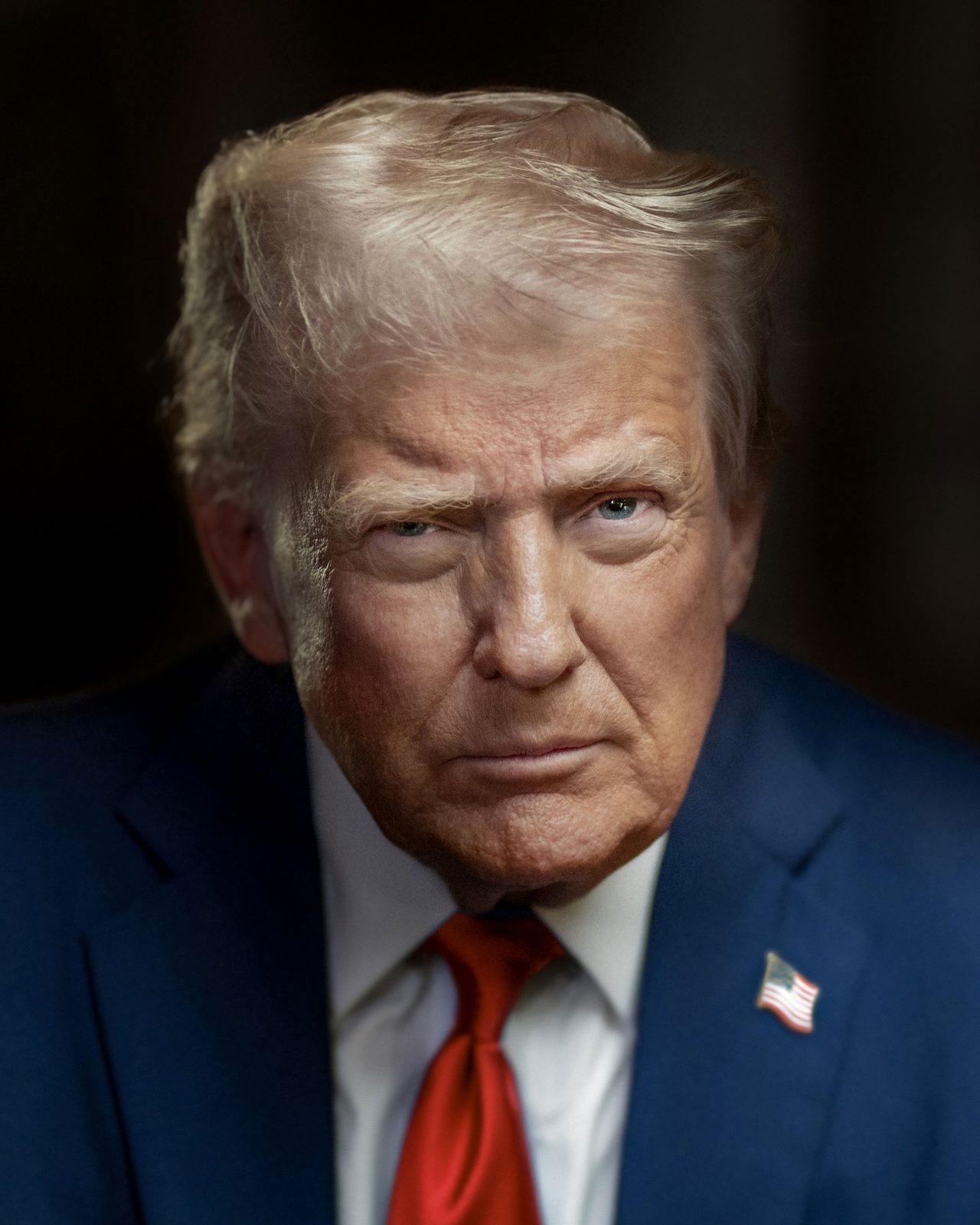
President Donald Trump signed an executive order late Friday night that puts the White House between Congress and every company that does business with the federal government. Under Executive Order 14438, published at 9:31 p.m. Eastern time, federal contractors must notify the White House — and the agency that hired them — of any request from Congress about their work with the executive branch, before they answer it.
The order goes further than a heads-up. Contractors must also "abide by any instructions received from the White House" to withhold communications the White House or the agency has determined are protected by executive privilege. The rules apply to subcontractors as well, and agencies must promptly inform every contractor of the new obligations. The Office of Management and Budget is to issue guidance on how compliance will be enforced.
“preventing and prohibiting uncoordinated disclosures of information pursuant to congressional requests.”— Executive Order 14438, signed November 20, 2026
How We Got Here
The order's own preamble names the fight it is aimed at. It accuses "certain congressional leaders" of threatening to intrude on executive prerogatives by seeking confidential information and "harassing private companies that contract with the Federal Government." It argues that Congress cannot obtain privileged information before the executive branch has a chance to assert its privileges, and that uncoordinated disclosures waste taxpayer money and could chill agencies from sharing sensitive information with contractors.
The timing is no accident. Democrats won control of both chambers of Congress in this month's midterm elections and take power in January 2027, and they have spent the weeks since promising a wave of investigations. On Thursday, Rep. Jamie Raskin and Sens. Richard Blumenthal and Adam Schiff said the law firm Kirkland & Ellis had provided at least $11.8 million in free legal work to federal agencies under a deal with the administration — about $4 million to the Commerce Department and $2.2 million to the Pentagon. Raskin, who is set to chair the House Judiciary Committee, has warned companies that accepted administration deals that subpoenas are coming.
The order was signed on the same day Trump held a 90-minute White House press conference after returning from Asia, where he said he was open to working with Democrats on health care and immigration — or vetoing their bills for the next two years. The executive order, published hours after the cameras left, points the other way: a pre-emptive move to control what Congress can learn, before the new majority takes its seats.
Why It Matters
The stakes are practical, not abstract. A contractor that receives a congressional request in January will now face two masters: a committee demanding documents, and a White House order telling it to report the request first and withhold whatever the administration flags. The order gives the second master teeth — agencies "shall consider" terminating or canceling contracts and debarring or suspending contractors that fail to comply.
For the incoming Democratic majority, the order is a direct challenge to the oversight power they campaigned on. Their leaders had not issued a direct response to the order as of Friday night. But their investigation plans are already public: the law-firm deals, government contracts, and administration records are all on the list, and Raskin has said plainly that firms and companies that do not cooperate will be compelled once Democrats hold the gavels.
For the White House, the order is framed as protection of executive privilege — a doctrine the Supreme Court has recognized as rooted in the separation of powers — and of the confidential work contractors do for the government. The order says that without it, agencies would be chilled from sharing sensitive information, and the government might have to stop relying on contractors for certain work altogether.
What Happens Next
Three things will show whether the order holds. First, the guidance from the Office of Management and Budget, which will tell agencies how to police compliance. Second, the first real test: the moment a Democratic committee in January sends a request to a contractor and watches what comes back — a full answer, a White House-approved answer, or nothing at all. Third, whether anyone challenges the order itself, in court or in Congress, where Democrats will soon hold the power to demand the very information the order tells contractors to hold back.
Until then, the rule is written and the clock is running. Contractors have been told, in the order's own words, that there will be no more uncoordinated disclosures. Congress has been told, in effect, that its questions will now arrive with the White House already in the room.
© 2026 Capitol Wire Daily. All rights reserved. Capitol Wire Daily reports facts from official statements and verified reporting; developing stories are labeled as such.



Loading comments…