
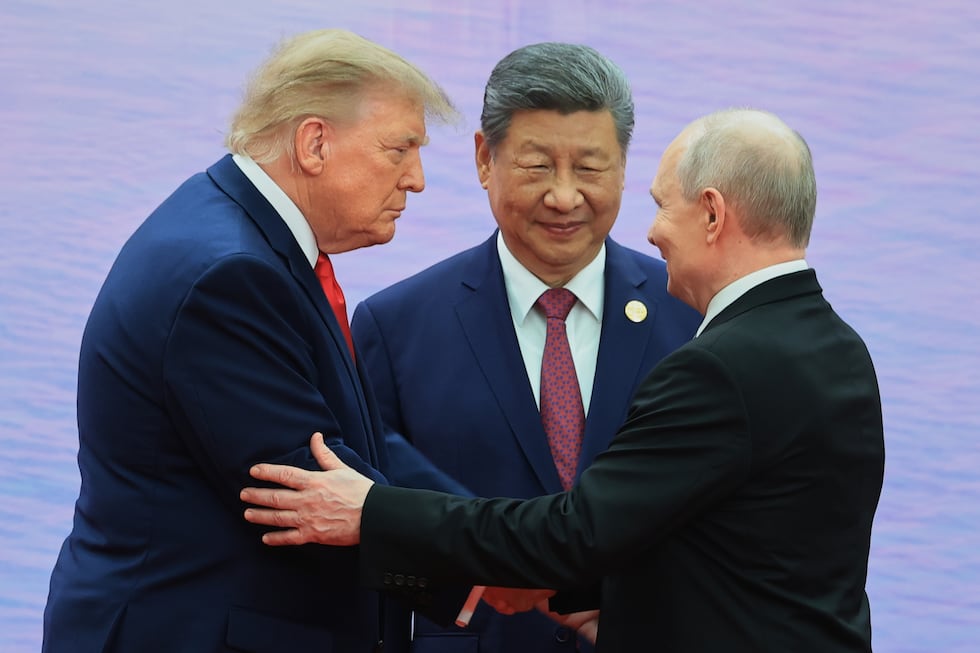
The leaders of the United States, China and Russia sat down at the same table for the first time on Thursday, opening a trilateral summit in Shenzhen that the world had waited a week to see — and leaving, hours later, with a photograph instead of a deal.
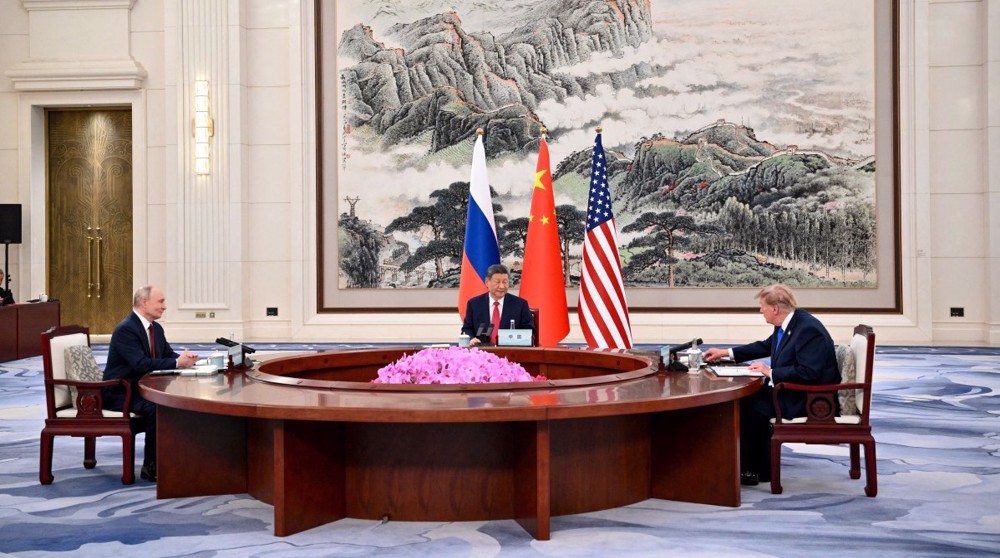
Donald Trump, Xi Jinping and Vladimir Putin met at the Kylin Villa state guesthouse on the APEC sidelines. The session had been scheduled for about an hour. It started roughly two hours late, and by Thursday evening in Shenzhen, none of the three governments had issued a readout of what was said behind closed doors.
“We are really making history. The United States, Russia and China are uniquely positioned to discuss how to reduce the number of nuclear weapons on Earth.”— Donald Trump
The Details
Trump held two separate bilaterals first. His meeting with Putin lasted about 35 to 40 minutes, their first face-to-face talks since the Alaska summit in August 2025. Trump embraced Putin and called him "my friend." Kremlin aide Yuri Ushakov said Ukraine was the main topic and Putin left in an excellent mood. The meeting with Xi lasted about an hour, then a working lunch. Trump pressed Xi to buy more farm goods and said the two shared an interest in keeping oil moving through the Strait of Hormuz.
The three leaders walked in together and posed for photographs, Xi in the middle, before each made short opening remarks. Xi spoke first, on "upholding world peace and promoting strategic stability in major country relations." Putin invoked their shared history as "victors in World War II" and their "joint responsibility for maintaining international peace and security." Trump spoke last, on nuclear weapons: "We are really making history. The United States, Russia and China are uniquely positioned to discuss how to reduce the number of nuclear weapons on Earth."
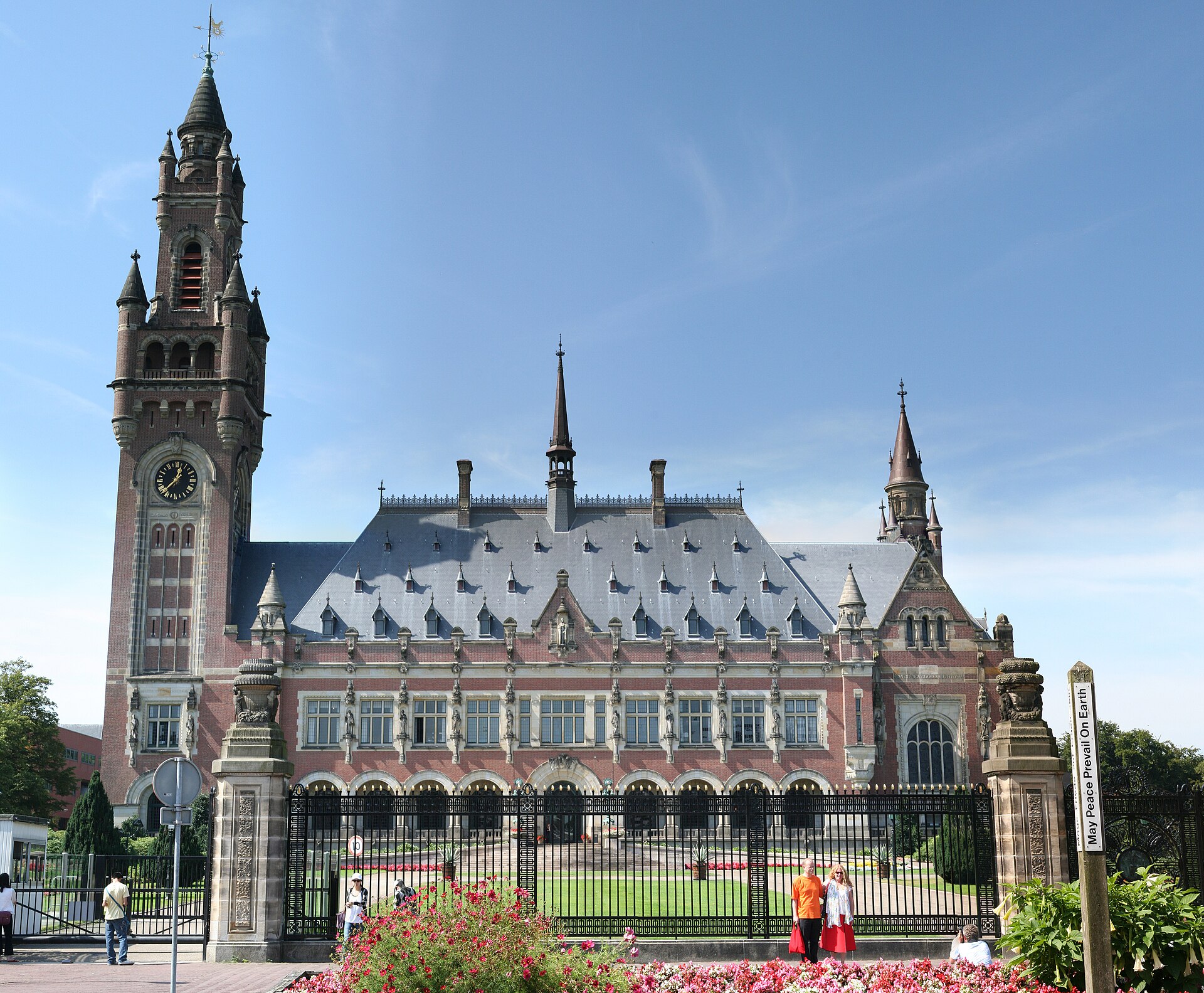
Trump added two items of his own. He said the three would discuss ways to "protect our nation's sovereignty from rogue globalist organizations such as the International Criminal Court." On Ukraine, he said: "I think things are happening." Then the cameras left, and the doors closed. As of Thursday evening, no agreement of any kind had been announced, and no joint statement had been adopted.
How We Got Here
Confirmed last week — the White House on Friday, November 13, China's foreign ministry on Monday, November 16. A senior U.S. official said beforehand that the talks would not reach "any kind of agreement." New START, the last arms control treaty between Washington and Moscow, expired in February, removing caps on the two largest atomic arsenals for the first time in decades. Trump wants a new deal including China; Beijing has long refused, saying the two bigger arsenals should be cut first.
The three leaders had been photographed together for the first time on Wednesday evening, at the APEC welcome banquet — a day after Xi greeted Trump at the airport with a brief hug.
Reactions
Kremlin spokesman Dmitry Peskov said: "The significance and symbolism of this meeting are hard to overestimate." Arms Control Association director Daryl Kimball said: "We need more than diplomatic theater and photo opportunities." Ukraine's President Volodymyr Zelenskyy had warned the meeting could become a "new Yalta." U.S. envoys Jared Kushner and Steve Witkoff left Shenzhen for Berlin shortly before the session to brief Zelenskyy and European leaders. No official response has been issued yet from Kyiv on the outcome of the closed-door session.
Why It Matters
The meeting matters because it creates a format. A first meeting of the leaders of the world's three largest nuclear powers, in a year with no treaty capping any arsenal, is a channel that did not exist a week ago. For Putin, the gain was the sitting itself — recognition as a major player, not a pariah, as Brookings' Ryan Hass put it.
What Happens Next
The first test comes when the three governments publish their readouts. Watch whether any readout mentions nuclear arms, whether Ukraine appears at all, and whether a second meeting is announced. Trump and Xi expect to meet again in December, at the G20 summit in Florida. The U.S.-China trade truce runs until January 10. With New START gone, every month without caps is a month in which the world's two largest arsenals grow unconstrained.

Loading comments…