
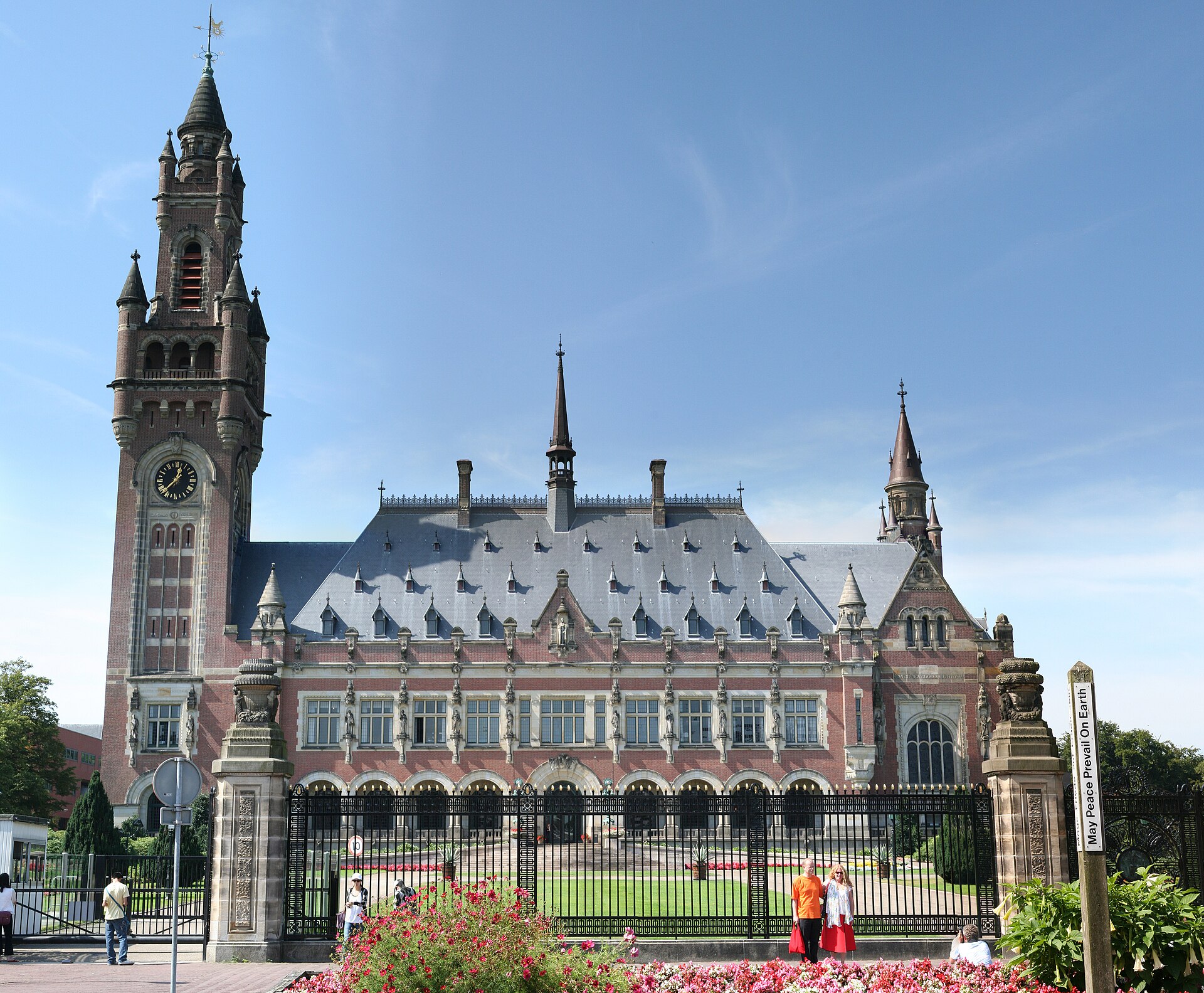
The International Court of Justice ruled on Thursday that Myanmar committed genocide against the Rohingya — the first time in the court's history that a state has been found responsible for the crime. Reading the judgment for three hours at the Peace Palace, Judge Yuji Iwasawa said the only reasonable conclusion was that Myanmar's forces acted with genocidal intent. The judgment is final and binding, with no right of appeal.
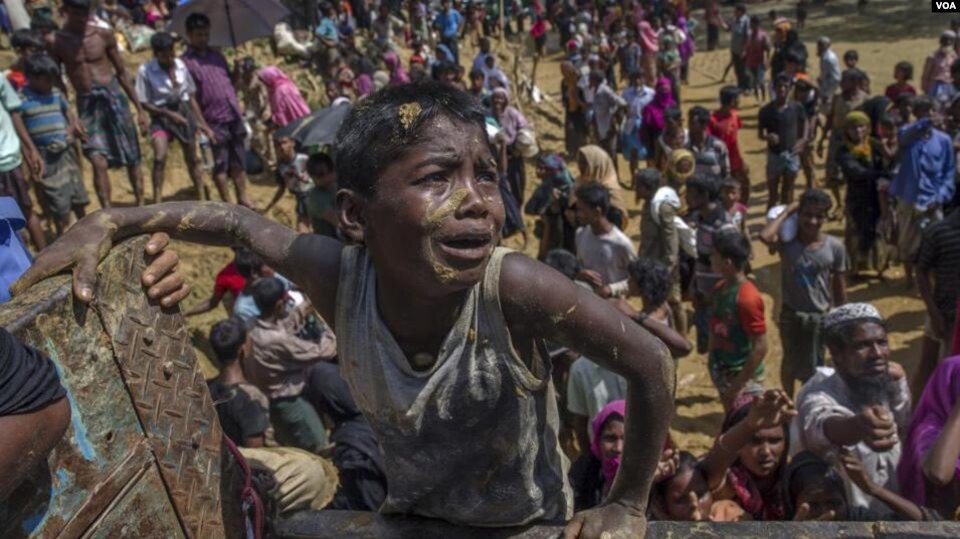
Behind the verdict: around 10,000 Rohingya killed, more than 730,000 driven into Bangladesh. The court found that Myanmar's security forces "killed thousands of Rohingya civilians, perpetrated widespread acts of sexual violence as well as acts of extreme violence against children and attacked fleeing Rohingya as they sought to flee in large numbers to Bangladesh."
“Genocide. This is the unequivocal finding of the ICJ.”— Agnes Callamard, Amnesty International Secretary General
The Details
The intent finding is the heart of the judgment. The court said the "only reasonable inference" was that Myanmar's forces intended to destroy a "substantial part" of the Rohingya group. It also found Myanmar violated its obligation to prevent genocide: it should have known there was a risk when armed civilians took part in the campaign. The court clarified that genocidal intent can coexist with military aims — a point Amnesty called significant for other pending cases, including South Africa's case over Gaza.
Myanmar argued its operations were lawful counterterrorism responses to attacks by the Arakan Rohingya Salvation Army on police posts in August 2017, which killed 12 security personnel. The court rejected that position.
What the court did not decide is individual guilt. The judgment concerns Myanmar's responsibility as a state under the 1948 Genocide Convention, not the criminal responsibility of individuals. That is the International Criminal Court's domain: in 2024 its prosecutor sought an arrest warrant for Senior General Min Aung Hlaing for crimes against humanity. No decision on that request has been made public. An Argentine court issued arrest warrants in 2025 for dozens including Min Aung Hlaing.
How We Got Here
The Gambia filed the case on November 11, 2019, backed by the 57-nation Organisation of Islamic Cooperation. The court ordered provisional measures on January 23, 2020, rejected Myanmar's jurisdictional objections on July 22, 2022, and heard the merits from January 12 to 29, 2026, including closed-door Rohingya testimony. Eleven states intervened for The Gambia, among them Canada, France, Germany and the United Kingdom.
Myanmar's 1982 citizenship law effectively excluded many Rohingya from full citizenship. In 2007, the court found the Srebrenica killings were genocide but did not find Serbia responsible for committing it — only for failing to prevent and punish. That is why Thursday's ruling is a first: proving a state's intent to destroy a group had been the central obstacle in every earlier case.
Reactions
Amnesty International's Agnes Callamard said: "Genocide. This is the unequivocal finding of the ICJ. After years of denial, impunity and suppression of truth, this ruling is a historic and authoritative recognition of the atrocities committed against the Rohingya and a rare moment of justice for survivors, victims and their families." She called on governments not to welcome Min Aung Hlaing — now Myanmar's president after engineered elections — and to stop weapons transfers. The UN Security Council, she said, should impose a global arms embargo and refer Myanmar to the International Criminal Court.
Human Rights Watch's Maria Elena Vignoli called it "long-awaited recognition of the suffering the Rohingya have endured from Myanmar's military." No official response has been issued yet from Myanmar on the verdict.
Why It Matters
The ruling matters. First, it is the first time the World Court has held a state responsible for genocide — a precedent for every Genocide Convention case that follows, including South Africa v. Israel. Second, it gives formal legal recognition to nine years of documentation by survivors and investigators. Third, it tests whether international law has teeth: the court has no police power, and the man who oversaw the campaign now runs the country.
What Happens Next
The judgment is binding, but enforcement now passes to politics. If Myanmar does not comply, The Gambia can take the matter to the UN Security Council under Article 94 of the UN Charter. Survivors are entitled to reparations, Amnesty said, and need sustained humanitarian support and backing for accountability. For the roughly 1.2 million Rohingya refugees in Bangladesh — and the roughly 520,000 who remain in Myanmar under severe restrictions — the ruling changes nothing on the ground by itself. Whether it leads to return, citizenship or safety depends on governments acting on it.

Loading comments…