
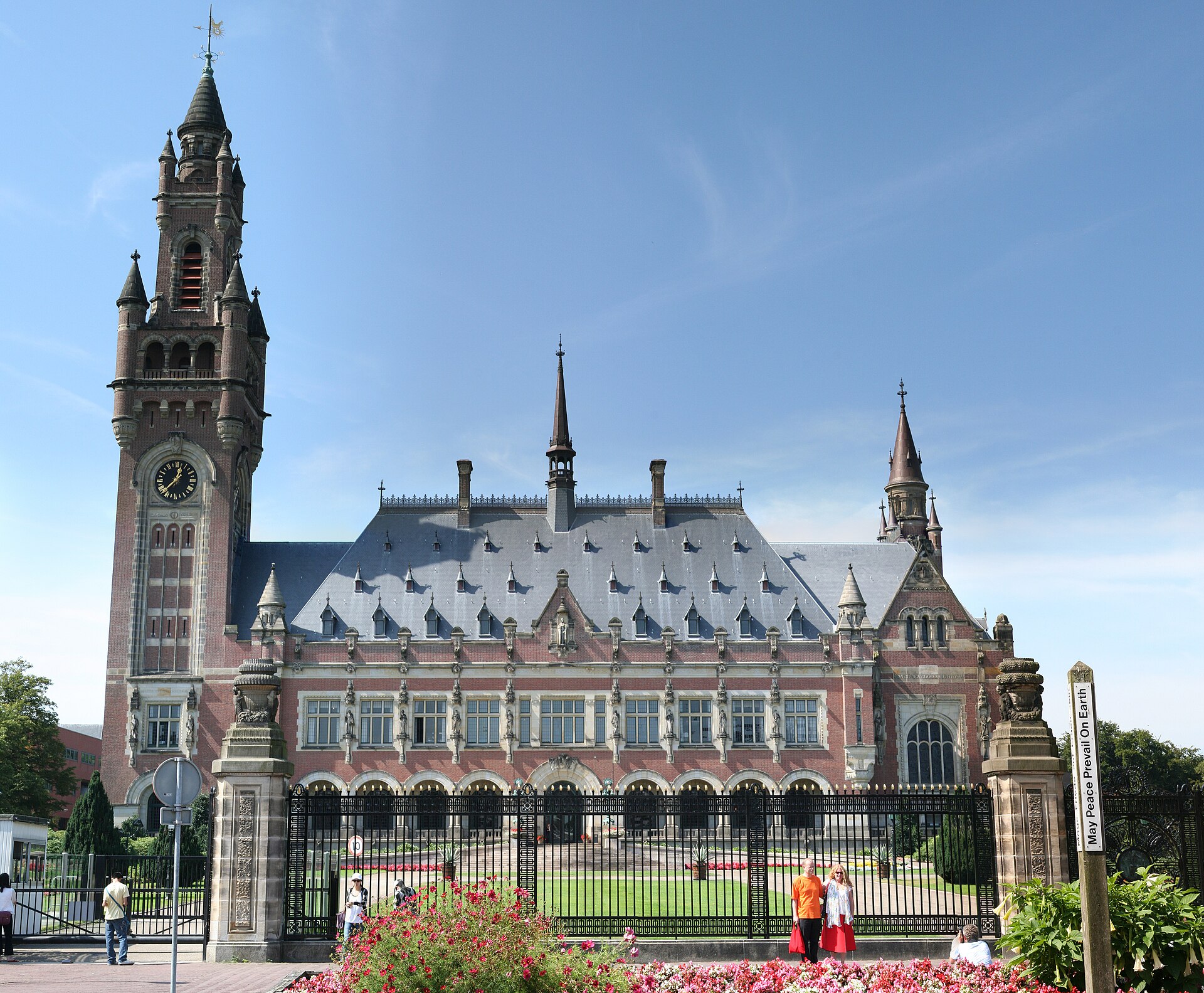
The International Court of Justice began delivering its final judgment on Thursday in The Gambia v. Myanmar — the case accusing Myanmar of genocide against the Rohingya. The court's president, Judge Yuji Iwasawa, said the military killed around 10,000 Rohingya during its 2017 "clearance operations" and ran a systematic hate-speech campaign that portrayed the Rohingya as "sub-human."
The final determination — whether Myanmar is responsible for genocide — was still being read when this article was published. The reading began at 10:00 in The Hague, about 16:00 WIB.
“The Myanmar military actively disseminated and promoted hate speech in a systematic and coordinated way.”— International Court of Justice
The Details
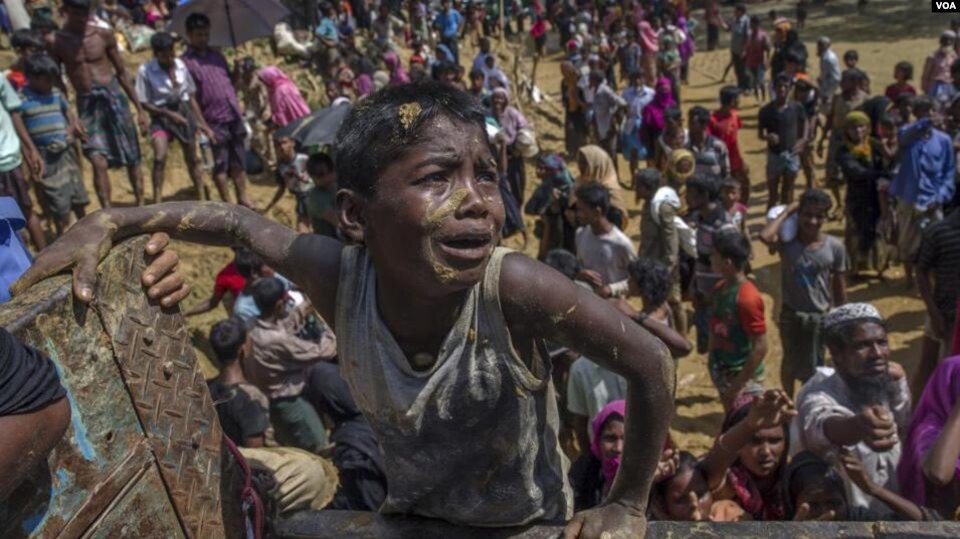
The court put numbers to the campaign. Around 10,000 Rohingya were "violently killed during clearance operations" in 2017, the judges found. About 815,000 Rohingya who lived in northern Rakhine state before the operations were targeted by Myanmar — a number the judge called "clearly significant" and "substantial" for the purposes of the Genocide Convention.
The court found that the Myanmar military "actively disseminated and promoted hate speech in a systematic and coordinated way" during the 2017 operations. The campaign portrayed the Rohingya as "sub-human" and "a violent threat," contributing to what the judge called "a climate conducive to targeting a group for destruction." The court noted an overlap between the hate-speech campaign and the clearance operations.
The judges also examined Myanmar's policies on Rohingya births: special marriage permission for people described as "Bengalis" and a two-child limit for married couples. Myanmar accepts the measure's purpose was to slow the birth rate. The court called it "a coercive measure... intended at the very least to reduce birth within the group." Sexual violence during the operations, the judge added, was intended to "physically and mentally impair the willingness and ability of the population to procreate."
The court found The Gambia's witnesses credible. It heard four witnesses who had experienced violence in the final week of August 2017, and noted that "many of the witnesses' key statements were unchallenged in cross-examination." The judges also took account of Myanmar's failure to investigate the alleged atrocities and its refusal to facilitate access to evidence and witnesses.
How We Got Here
The Gambia filed the case in November 2019, backed by the 57-nation Organisation of Islamic Cooperation, alleging Myanmar had violated the 1948 Genocide Convention. In January 2020 the court ordered provisional measures: Myanmar must prevent genocidal acts, preserve evidence, and report on compliance. The case then moved slowly through years of pleadings and hearings.
Judge Iwasawa told the court it had no comparable judicial decisions to rely on, unlike in some of its previous genocide rulings, and could "only rely on the evidence provided by the parties to make its own determination of the facts." The judgment is final and binding, with no right of appeal. It is only the third time the court has ruled on the merits of a genocide case — and it has never before found a state responsible for genocide.
The Rohingya have lived in Myanmar for generations. The court found that "discriminatory laws and restrictions progressively eroded their rights and left them marginalised and particularly vulnerable, while military-sponsored hate speech fuelled hostility against them." Myanmar has consistently denied that genocide took place.
Reactions
No official response has been issued yet from Myanmar on the findings read so far. The Gambia's legal team and Rohingya advocates have waited seven years for this judgment; their response will follow the final determination. The judgment is binding, but the court cannot enforce it itself — compliance depends on the United Nations Security Council and on Myanmar.
Why It Matters
Whatever the final determination, the findings read so far already amount to the most authoritative judicial account of the 2017 campaign: a court of 17 judges, on the evidence before it, found mass killing, systematic hate speech, and measures aimed at stopping a group from reproducing. If the court finds Myanmar responsible for genocide, it would be the first time in the court's history that a state has been held responsible for the crime.
What Happens Next
The reading continues in The Hague. The final operative paragraphs — whether Myanmar violated the Genocide Convention, and what remedies the court orders — are still to come. This article will be updated when the final determination is delivered.



Loading comments…