
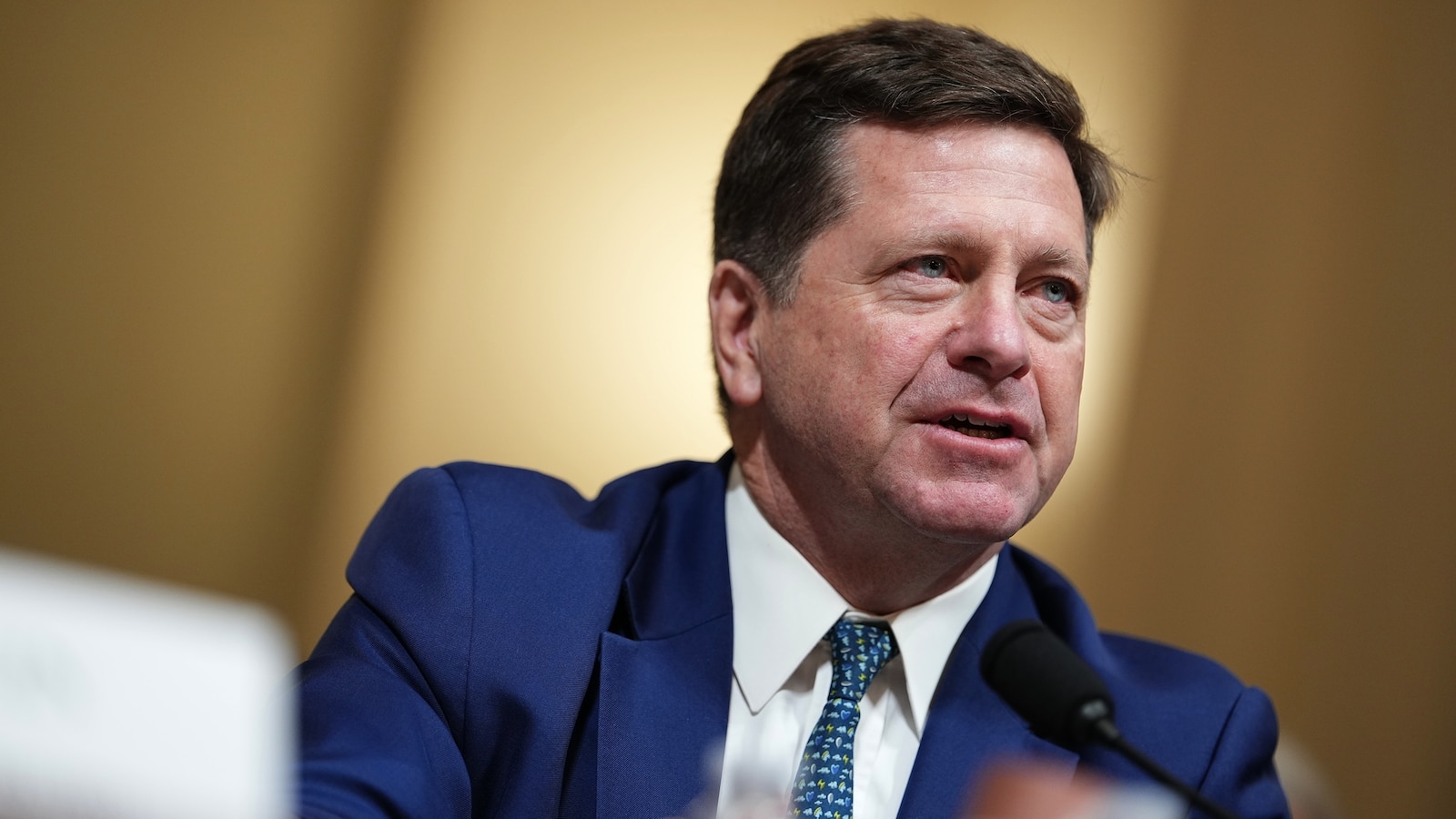
The director of national intelligence confirmed on Sunday that the Justice Department is investigating Alice Huang and Megaspeed, the Singapore firm at the center of the Nvidia chip scandal — the first public confirmation by a Trump administration official.
"As Attorney General Blanche has made clear, there is an investigation ongoing into her firm and into her," Jay Clayton said on ABC's "This Week." "And I'm going to await the outcome of that investigation."
“I expect that there are channels through which China was able to get a hold of them.”— Jay Clayton, Director of National Intelligence
Clayton also said China appears to have obtained Nvidia's most advanced chips. "I expect that there are channels through which China was able to get a hold of them," he told CNN, citing an indictment from his time as a Manhattan prosecutor.
The Details
"Nvidia chips are — they are the jewel. They are the absolute top that everybody wants," Clayton told ABC host Jonathan Karl. "People will do a lot. They will break the law. There are indictments already involving other companies where people have broken the law to get access to Nvidia chips."
Clayton declined to say whether Alice Huang had passed information to China, or whether Nvidia chips supported the Chinese military.
Clayton also said he did not know where Alice Huang is. "Jon, I can't tell you that. I do not," he said, after Karl noted reports she was in China.
The question is whether advanced AI chips under U.S. export controls flowed to China through Megaspeed. Commerce began investigating the firm in 2024; the Justice Department later took over.
A separate report put a new name into the case on Saturday. Li Ming, a 52-year-old Chinese national out on bail in Singapore, allegedly played a central role in a network smuggling restricted Nvidia chips into China, The Wall Street Journal reported. Li, Alice Huang and her husband, Kang Wei, set up a cloud joint venture called Century Longteng in 2021, according to Chinese corporate records.
How We Got Here
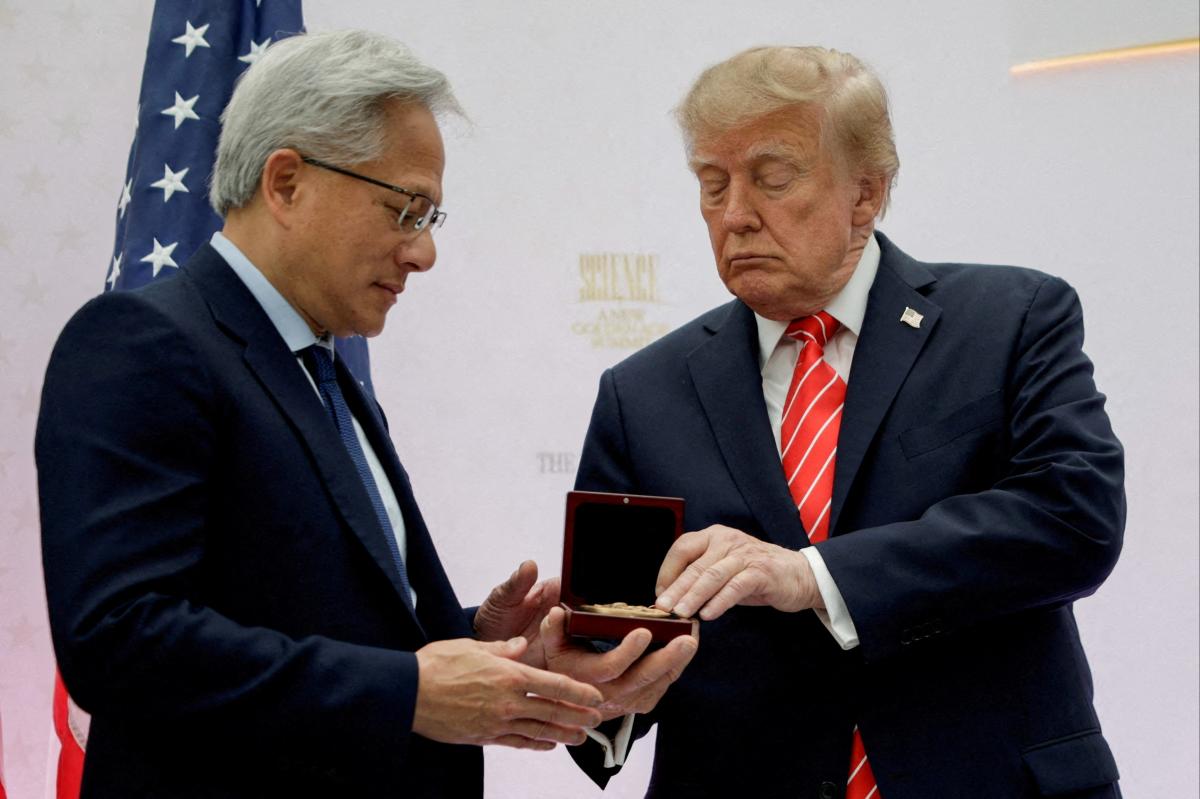
The scandal began on October 29, when The New York Times reported Jensen Huang, then Nvidia's chief executive, was the target of a Chinese intelligence plot. Alice Huang — no relation — a Megaspeed executive, was suspected of having been recruited by China's Ministry of State Security. Megaspeed bought $4.8 billion worth of Nvidia chips over two years, according to TechCrunch.
On November 8, Huang admitted to employees he had been unfaithful to his wife. On November 12, Nvidia announced he had resigned as chief executive, president and board member, ending his 33 years at the helm. Chief Financial Officer Colette Kress became interim chief executive.
The spy allegation has not been proven. Blanche said on November 12 that the Justice Department had reached no conclusion, and Singapore said there was insufficient evidence she had committed the suspected offences. She has not been charged.
Why It Matters
Clayton's confirmation changes the shape of the scandal: a chief executive's resignation after an affair is now a cross-agency national security issue, with the Justice Department, Commerce, California's attorney general and Congress all running parallel inquiries.
Treasury Secretary Scott Bessent, on CBS on Sunday, said he assumes the ousted chief executive did not know about the spy allegations, but stressed Nvidia must quickly launch a comprehensive internal investigation into why it kept selling advanced chips to the companies involved. Treasury has not yet received Nvidia's answers on who ran compliance. "We have to see where the buck stops," he said.
California Attorney General Rob Bonta has subpoenaed Nvidia over possible state-law crimes, examining whether it unlawfully sold advanced chips to China and deceived investors. Reuters has reported an SEC investigation into Nvidia's accounting. Nvidia shares closed at $125.53 on Friday, down 14.0%.
Karl also pressed Clayton on Senator Tom Cotton's claim that Commerce Secretary Howard Lutnick ignored warnings about chips smuggled into China. Clayton sidestepped.
"We have export restrictions on exquisite technology. They are restrictions. They are not bans," Clayton said. "We want to lead the globe in the buildout of this infrastructure, but we also want to keep the most exquisite capabilities for America."
What Happens Next
Jensen Huang faces questions on December 1 at a closed-door joint session of the House Intelligence, Foreign Affairs and China committees. Representative Michael McCaul said he intends to press whether Nvidia knew chips it sold to Megaspeed went to China. Huang has also agreed to testify before the Senate in public.
Until then, the investigation Clayton confirmed will run its course.

Loading comments…