
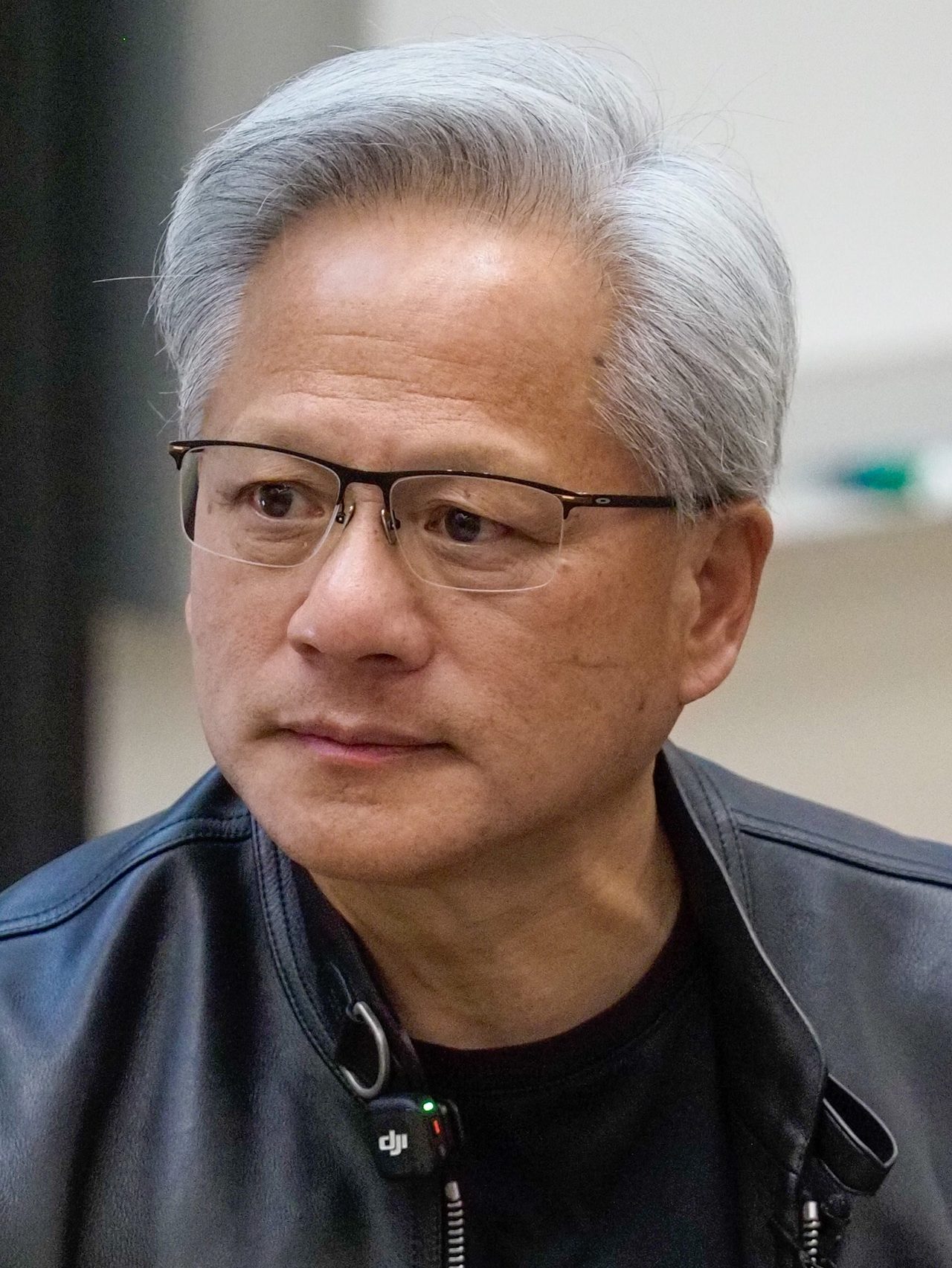
WASHINGTON — Eleven days after Jensen Huang resigned as chief executive of Nvidia amid revelations of extramarital affairs — including one with a woman U.S. officials feared could be working for Chinese intelligence — the board voted unanimously on Monday morning to bring him back.
The reinstatement, effective immediately, restores Huang as president, chief executive and a member of the board. Nvidia shares jumped about 30 percent in early trading, and the Nasdaq rallied 6 percent.
“The NVIDIA Board of Directors has made the correct and proper decision to return Jensen Huang to the position of CEO.”— President Donald Trump, Truth Social, Nov. 23, 2026
How We Got Here
Huang stepped down on Nov. 12, after reports of at least two extramarital affairs — one with Alice Huang, a Chinese national whom U.S. officials feared could be a Chinese intelligence asset. The two are not related. On Sunday, The New York Times reported that Alice Huang had kept in contact with an official from China's top spy agency for more than a year. Trump has said the U.S. is investigating whether she was a Chinese asset, while denying he was briefed on the matter by Secretary of State Marco Rubio and casting doubt on whether she was actually a spy.
The board had moved fast in the other direction. It opened an investigation on Nov. 8, accepted his resignation within a day, and named Chief Financial Officer Colette Kress as interim chief executive. On an earnings call last week, board Chair Harvey C. Jones said the board had "unanimously accepted" the resignation and "does not intend to reinstate Jensen as CEO."
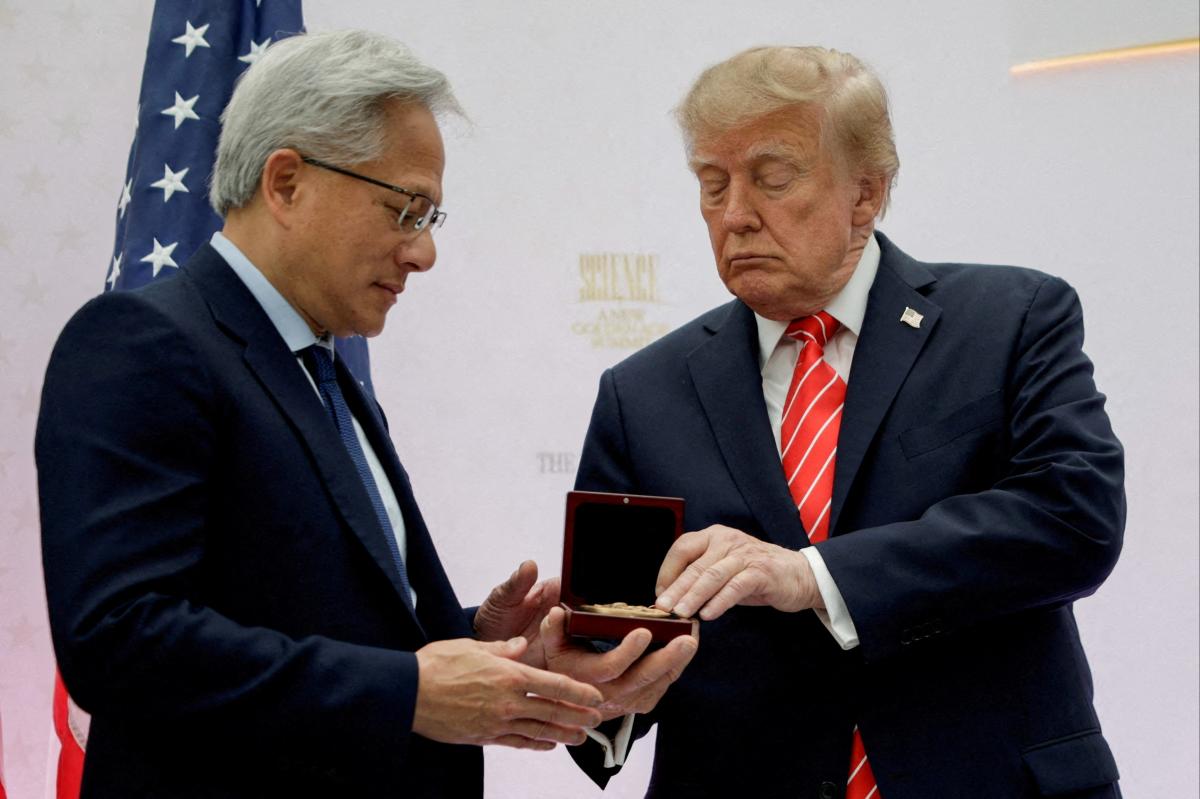
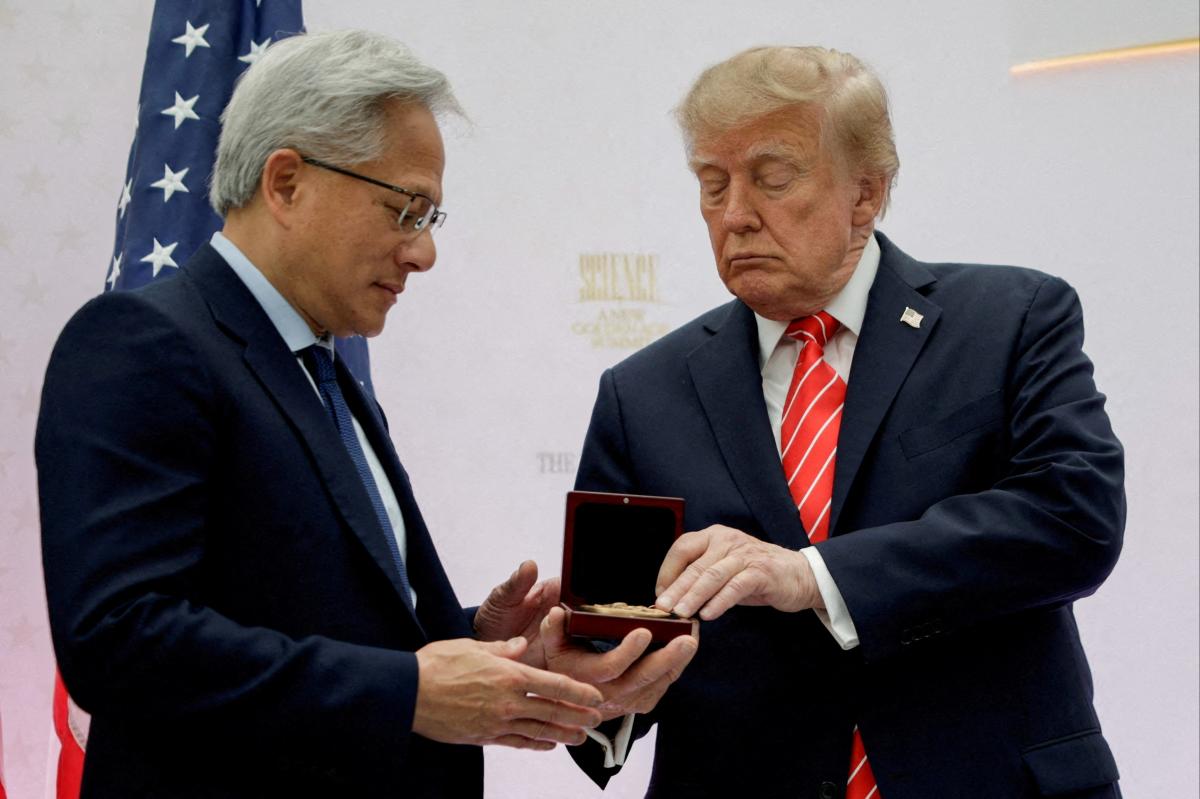
Then the president intervened in public. Trump, who counts Huang as a close ally, posted on Truth Social on Sunday night urging the board to rehire him, writing that it would be "the best thing for the company and also for the U.S.A." He had discussed Huang with Chinese President Xi Jinping during his trip to China last week. According to Semafor, the board met on Sunday night to vote.
The announcement came at about 8:55 a.m. ET on Monday. The board said it had held "a series of discussions and meetings" with Huang and was "satisfied with respect to Mr. Huang's candor and ability to lead NVIDIA," adding that it had "received input from senior levels of the United States government" and was confident the reinstatement "poses no national security risk." Jones said Huang "is the right person to lead NVIDIA."
Huang said he was "honored to return" and takes the job "with the greatest humility and renewed commitment." Kress will remain as chief financial officer.
Why It Matters
The market reaction was immediate. Nvidia, the company at the center of the global artificial-intelligence trade, had lost about $573 billion in market value in a single week and roughly a third of its value in two weeks. On Monday, its shares leapt by about a third in early trading, the Nasdaq rallied 6 percent and the S&P 500 rose 4 percent. For investors, the return of the co-founder who built Nvidia into the world's most valuable company removed the single biggest uncertainty hanging over the stock.
But the speed of the reversal drew sharp questions about governance. "I think it's a textbook example of poor governance from the board of directors," said Peter Andersen, founder of Andersen Capital Management. "There's no possible way they could have done all the due diligence in such a short time." Steve Sosnick, chief strategist at Interactive Brokers, put it more bluntly: the episode shows "Jensen Huang was too big to be fired." The board removed its chief executive within 24 hours and reinstated him 11 days later, without explaining what new information changed its mind — beyond the government input it cited.
Trump's role is part of that question. The president publicly lobbied the board, then blessed the outcome on Monday, writing that Attorney General Todd Blanche "has confirmed that the U.S. government does not possess evidence that he has engaged in any unlawful conduct." The Times also reported on Monday that Trump has traded up to $98 million in Nvidia shares in more than 100 transactions since returning to the White House — decisions he says were made by independent advisers.
What has not been resolved is the underlying allegation. The board's committee of independent directors is still investigating the reports that Huang was the target of a foreign intelligence effort, and Huang has said he will fully cooperate. He is also still scheduled to testify before Congress on Dec. 1, alongside Commerce Secretary Howard Lutnick, about the company's business in China.
What Happens Next
The first test comes Dec. 1, when Huang faces lawmakers in a closed-door session — the same hearing Congress demanded when he resigned. The board's investigation will also have to produce findings. Until then, the market has rendered its verdict: the man the board said it would never bring back is back, the stock is soaring, and the questions about how it happened are only getting louder.
© 2026 Capitol Wire Daily. All rights reserved. Capitol Wire Daily reports facts from official statements and verified reporting; developing stories are labeled as such.

Loading comments…