

Diplomats at the United Nations in Geneva have agreed to start discussing options to regulate lethal autonomous weapons, often called "killer robots" — but after a week of negotiations that dragged on until the small hours of Saturday morning, they stopped well short of the binding rules campaigners had demanded.
The compromise gives countries two years to suggest regulations that could be legally binding, but could also be optional. For the next two years at least, weapons that can use artificial intelligence to make life-and-death decisions will remain unregulated by any dedicated treaty.
“There is a fundamental ethical concern with having what are essentially these life-and-death decisions determined by programming, determined by an algorithm.”— Georgia Hinds, legal adviser, International Committee of the Red Cross
The Details
The talks were the Seventh Review Conference of the Convention on Certain Conventional Weapons, known as the CCW, which ran November 16 to 20 at the Palais des Nations in Geneva, chaired by Swiss Ambassador Julien Thöni.
The convention has been ratified by 128 countries and decides by consensus, so any one state can block a proposal.
On day one, Russia delayed proceedings by objecting to the meeting's agenda. Then the United States proposed a five-year window to discuss nonbinding, optional guidelines for autonomous weapons. The U.S., Russia and Israel had already indicated their reluctance to agree to binding regulations.
Seven countries — Austria, Belgium, Brazil, Ireland, Mexico, New Zealand and Panama — proposed negotiations on a rulebook to stop machines killing without human control. That effort fell short of the consensus the CCW requires.
Finally, at 4:30 a.m. on Saturday, negotiators emerged with their compromise: two years to "elaborate" a possible accord by 2028. No deal within a year — maybe binding rules, maybe not.
How We Got Here
Before the talks, the International Committee of the Red Cross said it was urgent for legally binding rules to be drafted within a year — a call backed by U.N. Secretary-General António Guterres and by Pope Leo.
Guterres, who leaves office at the end of the year, had set a 2026 deadline for launching negotiations toward an agreement on autonomous weapons systems. The Geneva outcome misses that deadline.
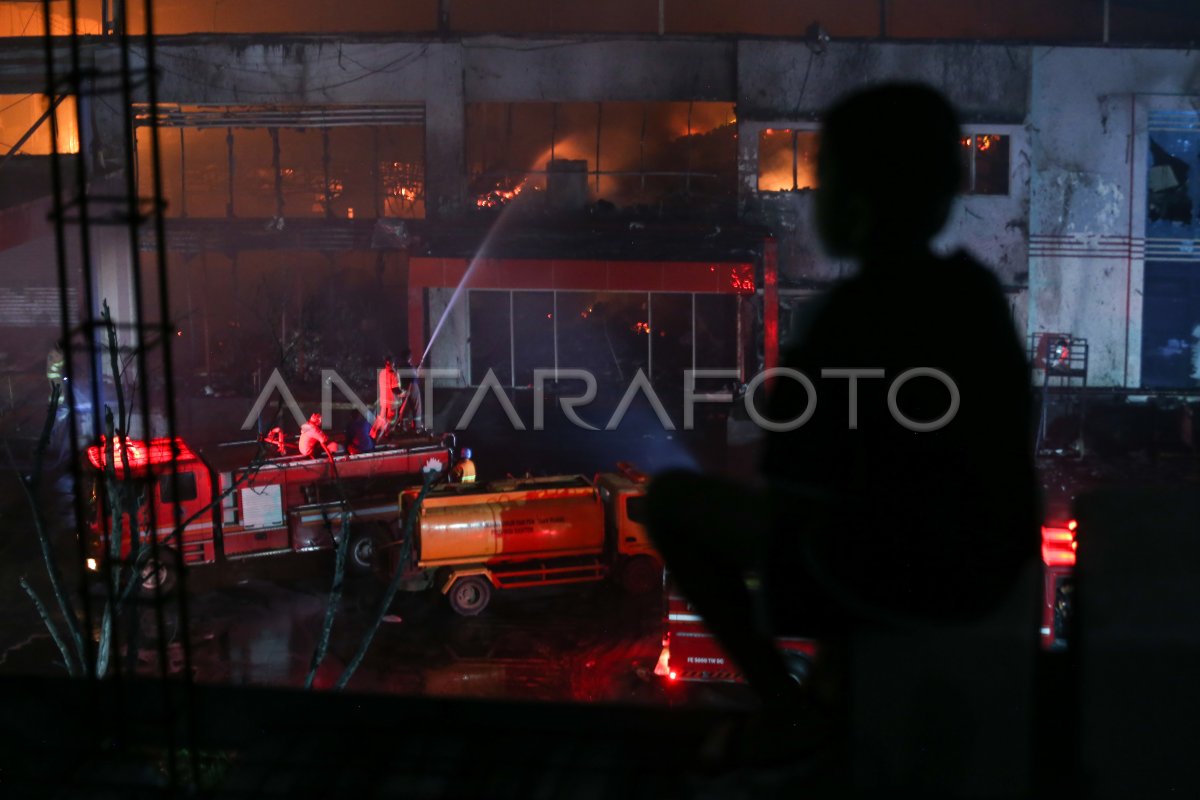
Their concerns stem from the warfare already being seen: in Ukraine, Sudan and Gaza, civilians are being killed by semi-autonomous drones. This year in Sudan, 80% of civilian deaths were caused by drones, according to the U.N.
Humans remain, albeit very remotely, in control for now, but humanitarian organizations fear AI-assisted weapons will soon make the decision to kill entirely on their own.
The talks have now run for 14 years. "States have agreed it is sufficient to just talk about the issue, for the 14th year, while these weapons enable atrocities," activists said.
Why It Matters
The ICRC immediately said it regretted the move and renewed its appeal for a binding treaty. Other campaigners called the deal "a real disappointment" and a "nothing burger." "I am concerned people will die because of this," added another.
"They're just kicking the can down the road," said one frustrated delegate.
U.N. disarmament chief Izumi Nakamitsu called it a "significant achievement" but acknowledged a "glass half full or half empty" outcome. Stop Killer Robots, a coalition of 300 organisations, called the mandate "watered down," with no clear route to legally binding rules.
A key worry is that, with two years to talk about possible rules that might only be optional, the technology will race ahead, uncontrolled.
"We're likely to see the systems proliferate," said Anna Hehir, an expert in military AI governance at the Future of Life Institute. "They're not like nuclear weapons in that they're inaccessible. There are autonomous weapons that are easy to purchase or even to create for all kinds of actors: individuals, nonstate actors, criminal groups."
There are also big questions about how the existing rules of war — the Geneva Conventions — can be upheld if those doing the killing are not humans, but machines.
"These rules are the bare minimum that militaries and states have developed and agreed to adhere to," said the ICRC's Hinds. "The commander remains responsible for making sure that the use of force is lawful. The commander remains accountable. You cannot hold a machine accountable for a violation of the law."
What Happens Next
The two-year mandate keeps the discussions alive, but defers any decision on whether the rules will bind anyone. Diplomats will spend until 2028 elaborating a possible accord, while the weapons it is meant to govern are already being used — and built — in wars around the world.


Loading comments…