
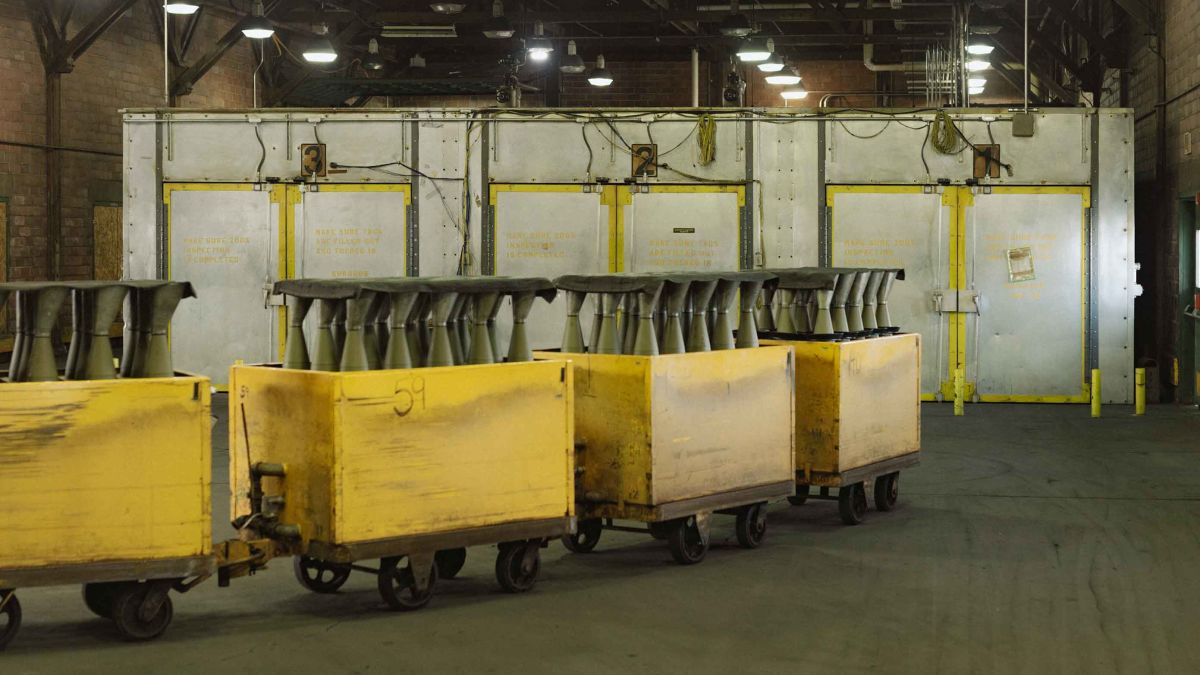
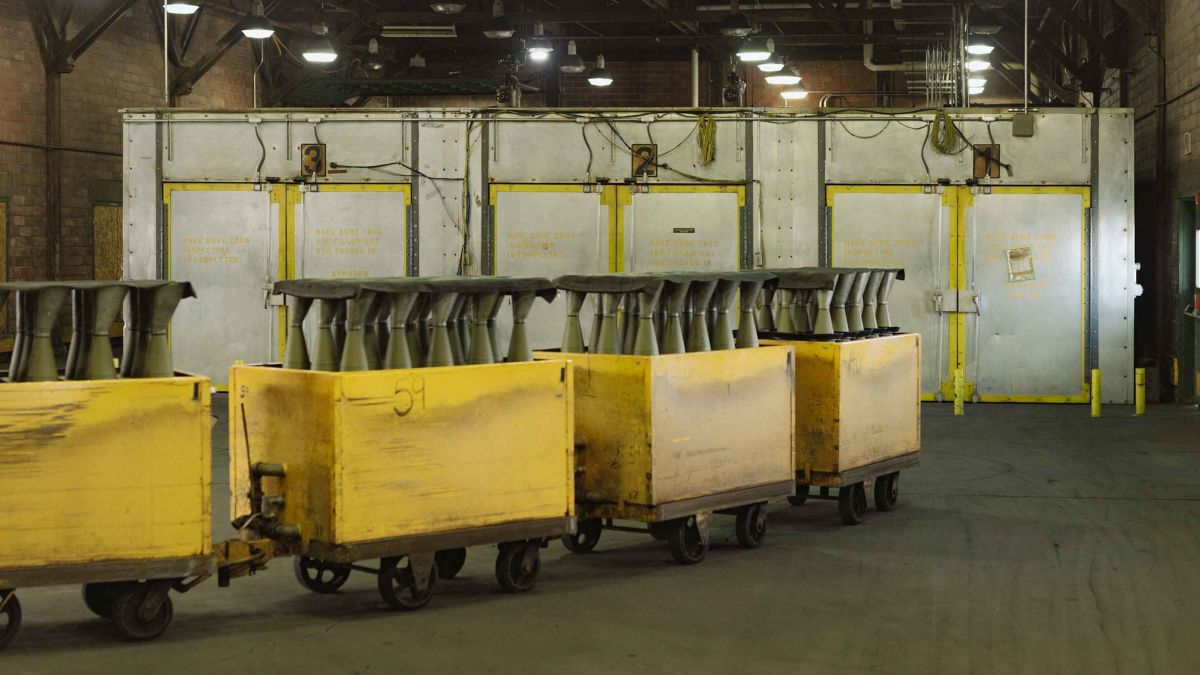
The U.S. Army will detonate the unstable lead azide stockpile in Iowa on Wednesday morning, Acting Secretary Adam R. Telle announced late Monday night.
Telle said the Army is "proceeding with the controlled removal in full coordination with all state, local and federal authorities."
“This is a consensus decision. Every expert agency agrees, and both Iowa's current and incoming Governors say the call belongs to the experts.”— Adam R. Telle, Acting Secretary of the Army, statement on X, Nov. 23
The decision clears the last obstacle: President Donald Trump had ordered the Army not to proceed unless a federal appeals court ruled the blast lawful — it did later Monday — and the incoming governor signed off.
"It is the unanimous judgement of our people — the Army, Navy, EPA, ATF, FBI, DARPA, DoE, CDC, HHS, FEMA and every other agency involved — that the Army should proceed with an extensively mitigated, carefully controlled detonation," Telle wrote.
The Details
The military will detonate 68 barrels of lead azide — nearly 9,500 pounds — in Middletown on Nov. 25.
The blast was originally scheduled for Friday, Nov. 20, then delayed twice to Wednesday, Nov. 25.
Maps released by the Army showed lead particles could travel close to 100 miles from the plant. Wednesday's forecast points to a different wind direction than expected, according to AccuWeather.
The Army has not released new maps for the Nov. 25 detonation.
How We Got Here
Lead azide is a primary explosive used to initiate munitions. The barrels were stored at the plant for more than 20 years and were found in a March inspection to be more volatile than expected.
The Army considered multiple ways to dispose of the barrels, including treating them with chemicals. "After ruling out all other possible measures," the Army "concluded the only viable option was a controlled detonation in place," EPA Region 7 Administrator Jim Macy wrote.
Those measures include barrier walls around the barrels and a misting system to limit dust. Air sampling, environmental monitoring and post-detonation cleanup are planned.
The EPA approved an emergency permit on Nov. 13. The Sierra Club and Iowa Environmental Council filed suit Nov. 19, and a judge placed an administrative stay on the permit the same day.
On Monday afternoon, the Eighth Circuit lifted the stay.
"There is an immediate risk that the lead azide at the Facility will spontaneously explode," the Justice Department wrote.
The government acknowledged a "controlled detonation will release lead dust," but said "a controlled detonation is the only way to minimize the release."
Why It Matters
By Monday night, all three had effectively signed off.
Sand wrote on X on Monday afternoon that the administration "should make this decision based on the information they have from the people they brought in to do the job months ago."
Environmental groups say the blast will shower the state in lead dust. Contractors say it is possible to neutralize the lead azide without an explosion.
Officials have said the blast would result in temporary and limited impacts. "It's the equivalent of living in a mining town for one hour," Justine Barati of Army Sustainment Command previously told the Des Moines Register.
But health experts question whether the Army has disclosed enough about exposure risks. The CDC says no safe blood lead level has been identified in children.
Environmental groups also warned of hazards beyond lead contamination. Ranajit Sahu, an explosives expert, wrote that the blast will release toxic gases such as hydrazoic acid.
What Happens Next
The detonation is scheduled for Wednesday morning, Nov. 25. Health officials have advised people in affected areas to stay indoors, with windows closed for 24 to 48 hours.
The Army has not said what time the blast will happen.
If the blast goes ahead as planned, it will end a week of delays, lawsuits and political wrangling.



Loading comments…