
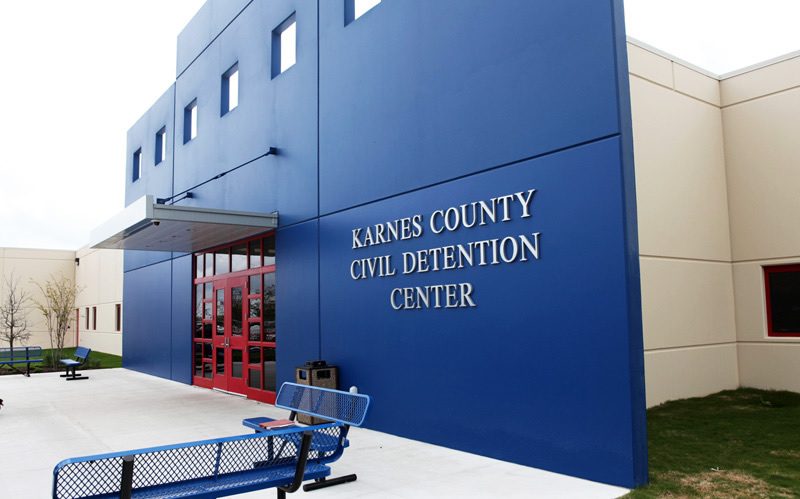
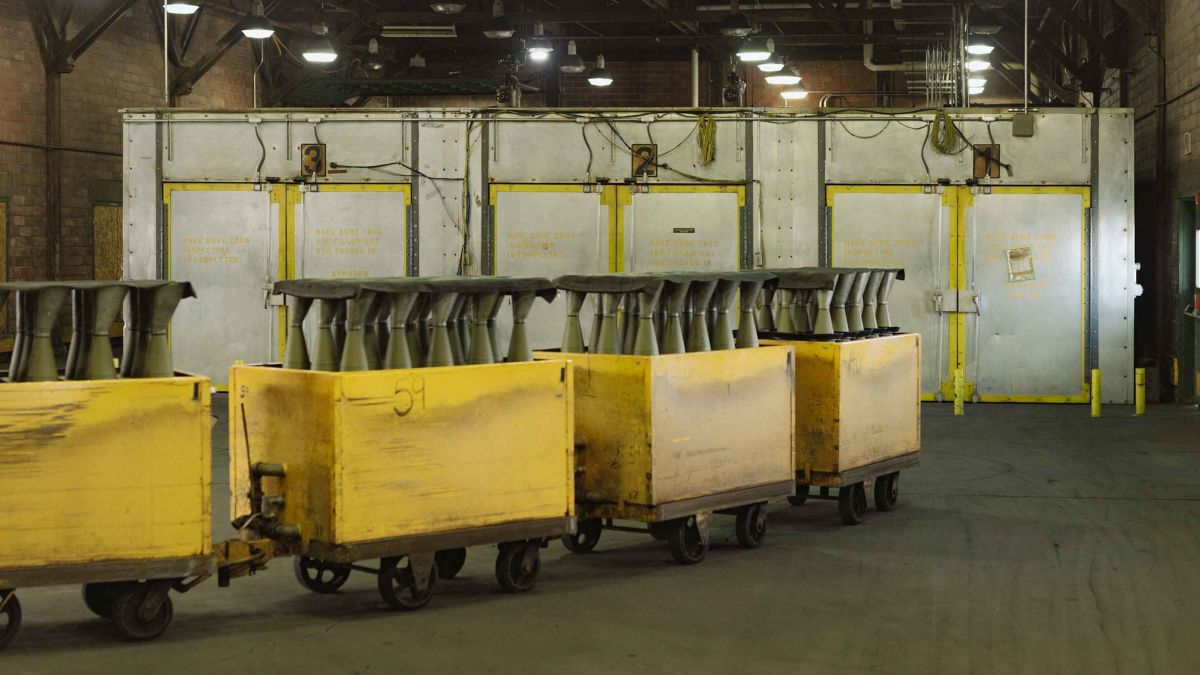
The federal government's own watchdog says U.S. Immigration and Customs Enforcement spent about $1.07 billion buying 11 warehouses to turn into detention centers — then scaled the plan back so far that seven of the buildings are now up for sale.
The numbers come from a Government Accountability Office report published Thursday, which examined how ICE is using the $45 billion Congress made available for detention in July 2025, money that runs through fiscal year 2029. The report describes a build-out that moved fast and spent big — and then partly reversed itself.
Between January and March 2026, ICE bought the 11 warehouses to convert into detention and processing sites. The GAO found the agency paid at least 50 percent above assessed tax value for nine of them, and at least double the assessed value for seven. In July and August, ICE paid about $2.2 billion more for four existing detention facilities. The Department of Homeland Security later acknowledged it had not conducted appropriate due diligence and planning on the warehouse purchases, according to the Senate Judiciary Committee's release of the report.
“ICE should determine cost effectiveness of new initiatives before continuing.”— Government Accountability Office report on ICE detention spending, November 2026
How We Got Here
The money arrived in a rush. The July 2025 law known as the One Big Beautiful Bill Act gave ICE $45 billion for immigration detention, and the agency began buying property within months. Alongside the warehouses, it obligated more than $1 billion to a single site, Camp East Montana at Fort Bliss in Texas, and about $111 million for detention facilities at Guantanamo Bay, where the average daily population is fewer than 30 people.
But the spending plan never caught up with the spending. As of June 2026, ICE's plan still projected about $38 billion in fiscal year 2026 obligations, even though only $9.1 billion had been obligated through July. The GAO called it unrealistic that the agency would obligate another $29 billion in two months, and found the plan had not been updated as the warehouse initiative shrank and other purchases changed.
The report was released Thursday by Sen. Dick Durbin of Illinois, the ranking Democrat on the Senate Judiciary Committee, who led the request for the GAO review. It landed the same week the administration was defending its detention expansion on other fronts, and as Democrats who take control of Congress in January were promising a wave of oversight hearings into federal contracts.
Why It Matters
The empty beds are the sharpest number in the report. Under guaranteed-payment contracts, ICE committed to pay for 46,688 beds at 64 facilities whether or not anyone slept in them. From October 2025 through April 2026, an average of 9,733 of those beds sat empty every day. At just the four facilities the auditors examined in detail — in California City, North Lake, Folkston and Diamondback — that added up to about $13 million a month for unused capacity.
But the report says the arrangement left the government paying substantial sums for space it was not using, and warned that ICE could have limited detention funds left for 2028 and 2029 — the last two years the $45 billion is supposed to cover.
There were other costs, too. Housing a detainee cost a median of $180 a day at federal Bureau of Prisons facilities in April 2026, compared with $151 at private contract facilities.
The Department of Homeland Security agreed with both of the GAO's recommendations — to update the spending plan and to calculate full long-term costs before making more major purchases — but said its plans were already updated. That disagreement, over whether the fix has happened or still needs to happen, is now part of the record Congress will read.
What Happens Next
Three things will show whether the report changes anything. First, the seven warehouses: ICE plans to sell them, and the GAO warns the sales could lose the government money, since the agency paid well above assessed value for most of them.
Second, the spending plan. The GAO's core demand is a realistic, updated plan before the next major purchase — and a full accounting of long-term costs, not just the purchase price. DHS says that work is done; the next GAO follow-up, or the next oversight hearing, will test that claim.
Third, the money itself. If the watchdog is right that detention funds could run short in 2028 and 2029, the administration will have to ask Congress — a Congress run by Democrats from January — for more, or scale back the detention footprint it spent billions building. Either way, the $1.07 billion in warehouses, and the $13 million a month in empty beds, will be the starting point of that argument.
© 2026 Capitol Wire Daily. All rights reserved. Capitol Wire Daily reports facts from official statements and verified reporting; developing stories are labeled as such.

Loading comments…