
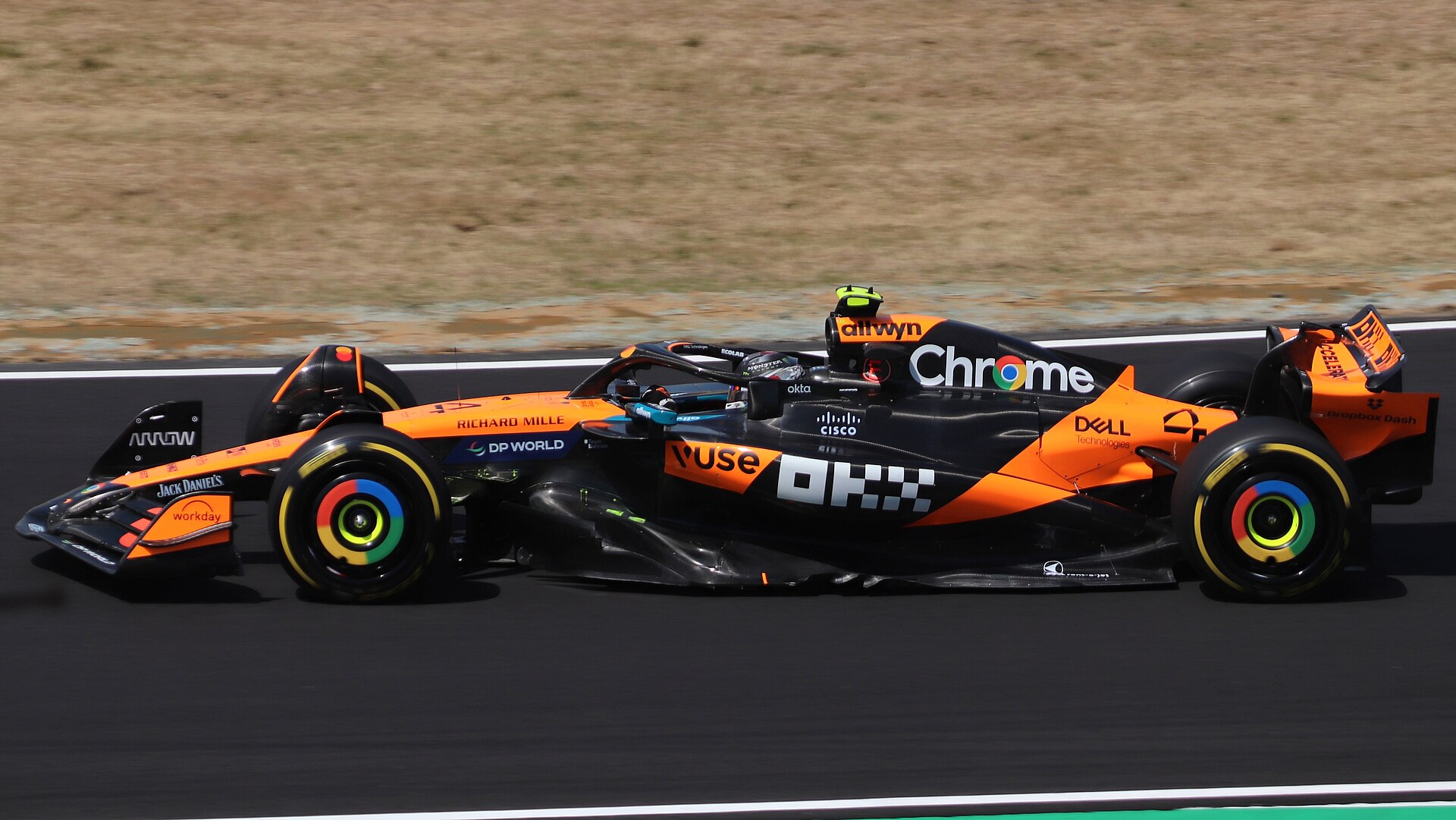
Formula 1 will bring back the roar. The sport's governing body announced on Friday that V8 engines will return in 2030, after a unanimous agreement between the FIA, Formula One Management, the 11 teams and the engine manufacturers.
The new power unit will be a 2.1-litre turbocharged V8 with a smaller hybrid element — 200 kilowatts of electric power, half of it reserved for an overtaking mode — running on sustainable fuels. The FIA says the engine will be lighter, cheaper and far less complex than the current 1.6-litre V6 hybrids. It will be the first V8 in Formula 1 since 2013.
“The return of V8 engines represents an opportunity to reconnect with the DNA of this Championship, bringing back the sound, emotion and pure racing that is loved worldwide.”— Mohammed Ben Sulayem, president of the FIA
The Details
FIA president Mohammed Ben Sulayem said: "This agreement marks a significant milestone in shaping the future of Formula 1." He added: "The return of V8 engines represents an opportunity to reconnect with the DNA of this Championship, bringing back the sound, emotion and pure racing that is loved worldwide."
The deal was struck ahead of this weekend's Las Vegas Grand Prix. McLaren chief executive Zak Brown said: "We have the agreement, basically. It's not signed, but it looks like everybody's agreed to 2030 V8s." Alpine's Flavio Briatore agreed, and Cadillac's Dan Towriss said a Cadillac V8 would be available from 2030, with the team's new power unit facility opening on December 18. Cadillac will run Ferrari engines until the end of 2029.
The agreement is not yet the final rulebook. The FIA will present a definitive 2030 regulatory framework to the World Motor Sport Council in Shanghai on December 10, and the rules still need a formal vote by the council and by the power unit manufacturers. Details including the exact level of the power-unit cost cap are still to be agreed.
How We Got Here
The V6 hybrid era began in 2014 and brought efficiency — but also complaints. The engines are quieter than the screaming V8s that defined the sport for decades, and their complexity pushed costs up. Ben Sulayem, re-elected last December, has campaigned for a return to V8s, and F1 chief executive Stefano Domenicali backed bringing the timeline forward.
The current engine cycle was due to run until 2031. The new framework brings it forward by a year, with the 2.1-litre capacity chosen to contain development costs by building on aspects of the existing 1.6-litre V6 design. The FIA also wants the engine change to coincide with a lighter chassis, aimed at making the cars more agile and better suited to close racing.
The announcement almost came earlier. On Tuesday, the FIA posted graphics saying the V8s had been "agreed in principle", then deleted them. The formal announcement on Friday — after what the FIA called minor tweaks to the framework — confirmed the deal was unanimous.
Why It Matters
The sound is the story. For fans, the V8's scream is the sound of Formula 1 itself, and its absence has been the most persistent complaint of the hybrid era. The return is also a bet that simpler, cheaper engines will keep manufacturers in the sport and attract new ones — Cadillac arrives as the 11th team, and its own V8 is already in the works.
It also matters for the sport's direction. The hybrid element shrinks to around 10 percent of power output, and half the electric power is reserved for overtaking — a deliberate choice to put racing, not energy management, at the centre of the show.
What Happens Next
The World Motor Sport Council meets in Shanghai on December 10 to receive the definitive framework. If it votes the rules through, the manufacturers will have just over three years to build the first V8s of the modern era — and the roar returns to the grid in 2030.


Loading comments…