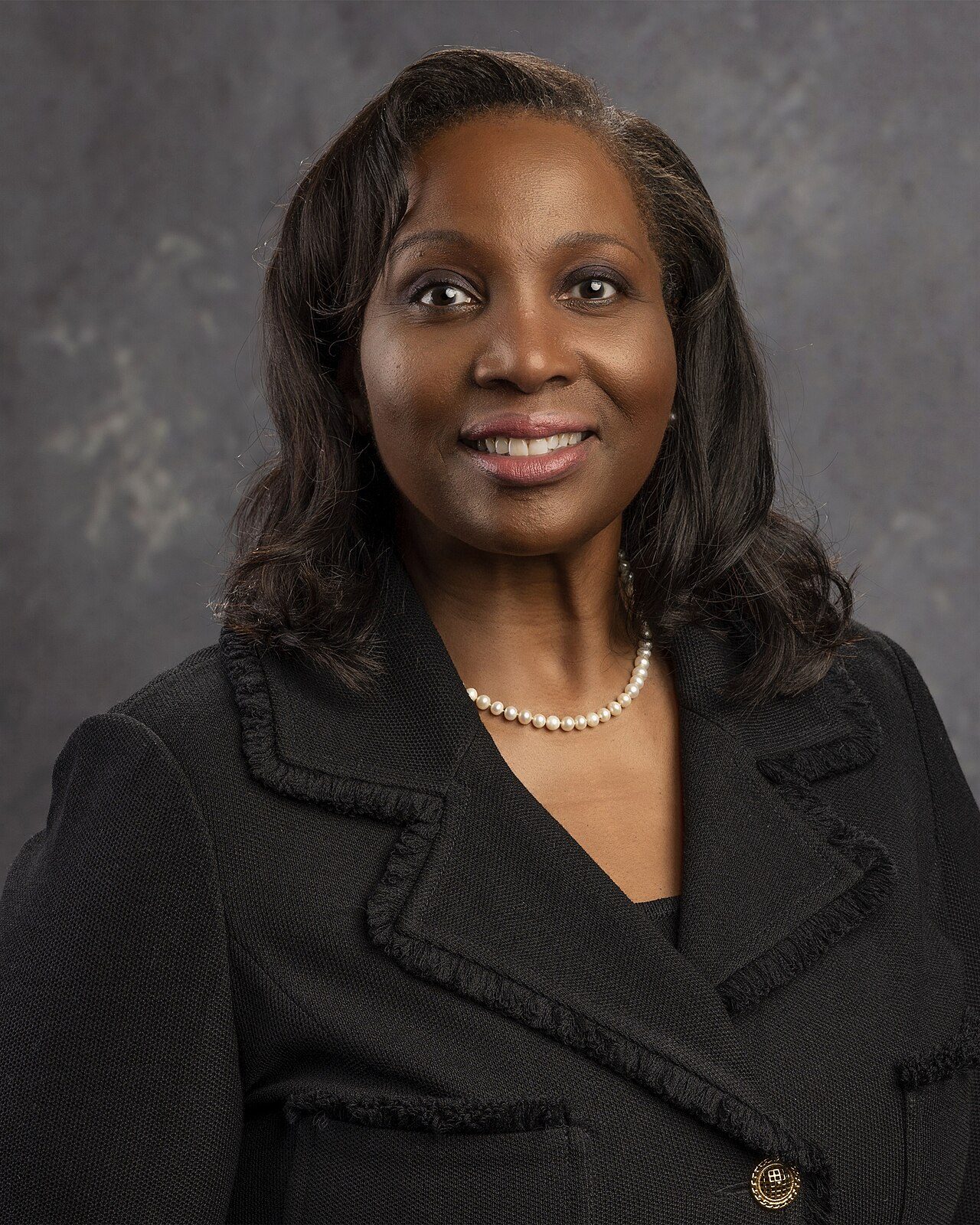
Federal Reserve Governor Lisa Cook will not attend the White House hearing set for December 14 into mortgage-fraud allegations against her, her lawyer informed the administration on Monday — setting up a direct confrontation over how, and whether, a president can remove a sitting central bank governor.
In a letter to White House counsel Will Scharf, attorney Abbe Lowell wrote that Cook “has no legal obligation to participate in an unfair hearing,” and accused the panel of seeking only to “manufacture 'cause' for a predetermined removal outcome.” Lowell also asked that National Economic Council director Kevin Hassett be removed from the three-member panel, arguing that Hassett has already prejudged the case. Cook, Lowell said, would appear before an unbiased panel operating under fair procedures.
“Governor Cook has no legal obligation to participate in an unfair hearing.”— Abbe Lowell, attorney for Lisa Cook, in a letter to the White House
The White House response was unmoved: the hearing will go ahead on December 14 with or without her, and the committee may draw an adverse inference from her absence.
A fight that began in August
President Trump first tried to fire Cook in August 2025, citing mortgage claims dating to 2021, before she joined the Federal Reserve Board. Cook denies any wrongdoing, and no criminal charges have been filed against her. On June 29, the Supreme Court ruled that she cannot be removed without at least minimal procedural protections — the ruling that now frames the dispute over what a fair process must look like.
The December 14 hearing was presented by the administration as that process. Cook's refusal reframes it as something else: a proceeding whose conclusion, her lawyer argues, was written before it began. Whether a governor can be compelled to participate in a removal inquiry — and what happens if the panel proceeds in her absence — is likely to land back before the courts.
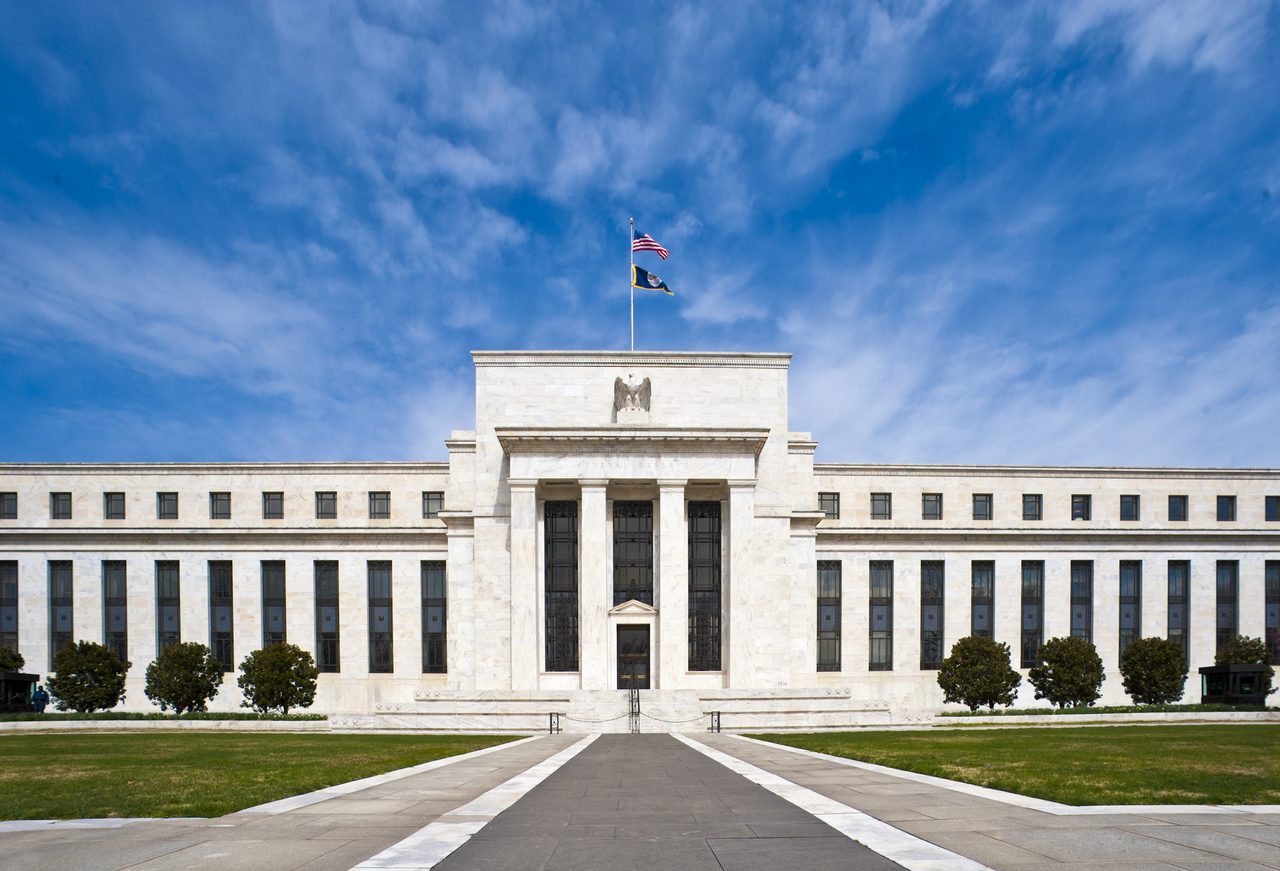
For the Federal Reserve, the stakes extend beyond one seat. The case has become the central test of how much insulation the central bank's governors actually have from the president who appoints them, at a moment when the Fed's interest-rate decisions are already under intense political scrutiny.
The legal core of the dispute is a short phrase: Federal Reserve governors may be removed by the president “for cause.” The administration argues the mortgage allegations supply that cause; Cook's team argues that cause must be established through a fair process, not announced in advance by the officials sitting in judgment. Lowell's objection to Hassett's seat on the three-member panel goes to exactly that point — he contends a panel member who has publicly prejudged the case cannot impartially decide it.
Cook's position is not a refusal to answer questions under any circumstances. Lowell wrote that she would appear before an unbiased panel with fair procedures. That leaves the administration with a choice: reconstitute the panel, proceed without her on December 14 and risk a court fight over the adverse inference, or take the dispute back to the judiciary that has already ruled once in her favor.