

The White House fired National Cyber Director Sean Cairncross on Thursday, removing the nation's top cybersecurity official days after a week of technology failures grounded more than 18,000 flights, froze bank accounts and knocked Microsoft's services offline for nearly a full day.
Kirsten Davies, the Pentagon's chief information officer, will take over the role in an acting capacity. A source close to the White House said President Donald Trump "fully supported firing Sean Cairncross from his position as he lacked the strong cyber credentials to perform the job." The White House did not say when Cairncross's last day will be, and Cairncross could not immediately be reached for comment.
How We Got Here
The outages piled up over the past week. A Microsoft malfunction disrupted workers and businesses worldwide. A Federal Aviation Administration ground stop halted departures across the country. Accounts at some of the nation's leading banks froze. Even the National Security Agency's internal network was affected, according to reports.
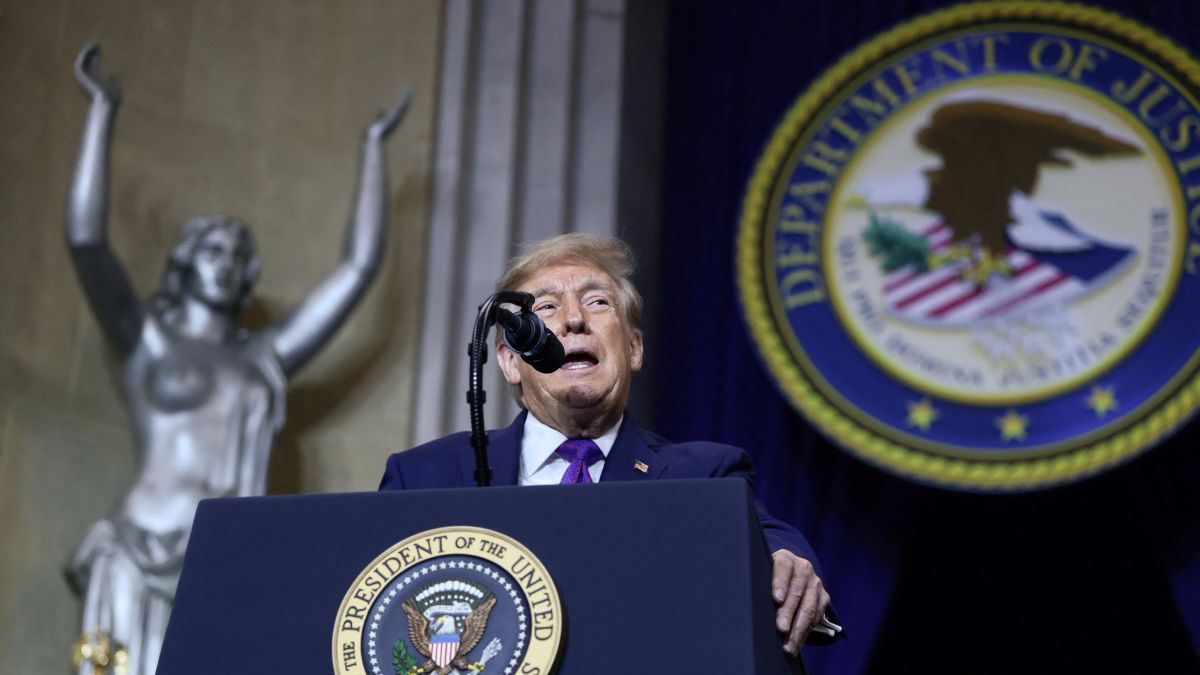
Officials have said the incidents were unrelated and that they found no evidence of a cyberattack. Asked on Wednesday whether people had reason to panic, Trump said: "Tell them to relax. Everything's good. These are individual events." The top U.S. intelligence official said the same day that the incidents were separate service outages tied to maintenance and technical changes, not a coordinated attack.
Cairncross had led the Office of the National Cyber Director since August 2025, after Senate confirmation. The office coordinates cybersecurity policy and strategy across the federal government. His departure was first reported by Axios, which cited two White House officials saying new chief of staff Stephen Miller sought the change. Replacing Cairncross was one of Miller's first tasks after taking over from Susie Wiles following the midterm elections, according to the Wall Street Journal.
The framing of the exit is itself contested. Two sources told Axios the departure was amicable and that Cairncross did not want to serve another two years in a role that requires Senate confirmation. But a source close to the White House told Reuters the president fully supported the firing — a version other outlets confirmed.
“The president fully supported firing Sean Cairncross from his position as he lacked the strong cyber credentials to perform the job.”— Source close to the White House, to Reuters
Why It Matters
The timing matters. The role is one of the few White House jobs that must be confirmed by the Senate — and Democrats are set to take control of the chamber in January after their midterm victories. That means whoever Trump nominates permanently will face a Democratic-led confirmation process, in a chamber whose members have already criticized the administration's handling of the outages.
Democrats say the administration has been slow to provide clear explanations for the outages and too deferential to tech companies. The firing gives them a new line of attack: the administration's own cyber chief is gone, but the questions about what went wrong remain unanswered.
Davies arrives with a résumé the White House is already touting. She has served as the Pentagon's chief information officer since December 2025 and was previously chief information security officer at Unilever. An administration official told Axios she had already been Senate-confirmed once, which could ease her path. In a post on X thanking Trump, Miller and Defense Secretary Pete Hegseth, Davies wrote that the country "stands in the crossroad of analog, digital, and quantum technologies, our American way of living increasingly interconnected." Secretary of State Marco Rubio and Hegseth both congratulated her publicly.
What Happens Next
Davies serves in an acting capacity for now. The Senate will have to confirm whoever fills the role permanently — a process that could become one of the first confirmation fights of the new Congress in January.
The outages themselves are still under scrutiny. Federal agencies have not released a full accounting of what failed, and Democrats preparing to take control of Congress in January have signaled that oversight of the administration's technology response will be on their agenda.
For now, the White House has a new cyber chief and the same unanswered question: how did a week of separate failures bring so much of American life to a standstill — and who, if anyone, will be held responsible next?
© 2026 Capitol Wire Daily. All rights reserved. Capitol Wire Daily reports facts from official statements and verified reporting; developing stories are labeled as such.


Loading comments…