
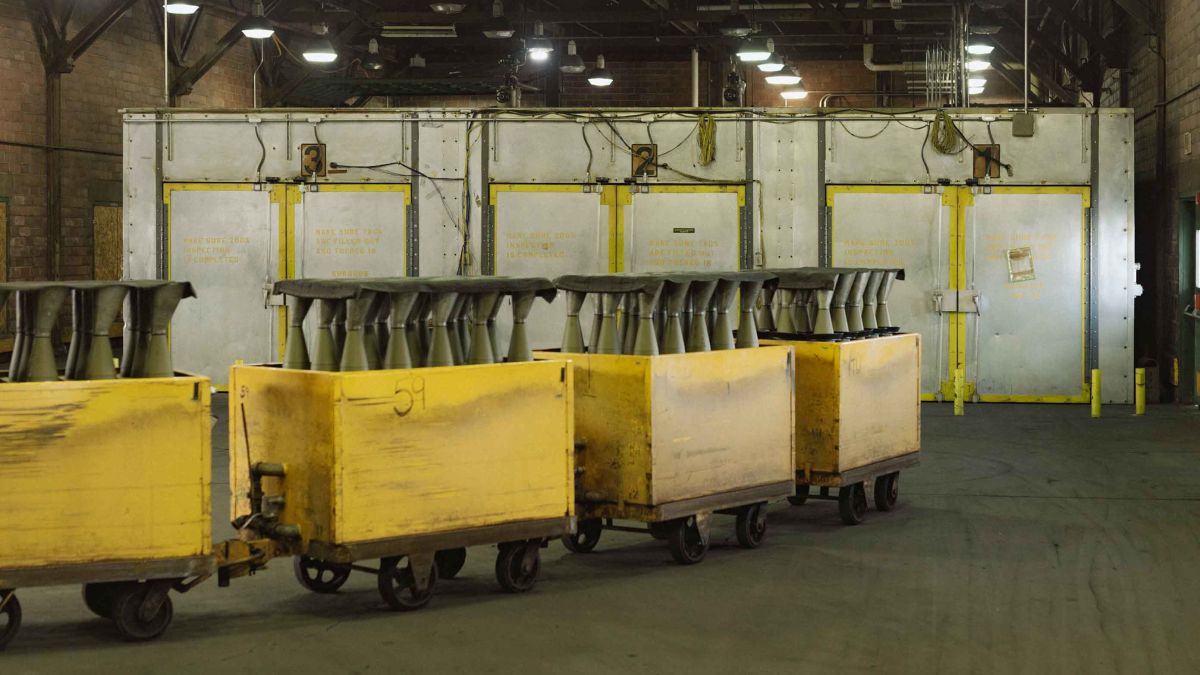
The Eighth Circuit has lifted its stay on the emergency permit for the Army's planned detonation of unstable lead azide in Iowa, the Des Moines Register reported Monday night — but the blast is still not cleared.
Trump ordered the Army on Monday not to detonate the 68 barrels until the court agrees and until Gov.-elect Rob Sand agrees as well. The first condition is now met. The second has not been met: Sand has not agreed, and no other outlet had confirmed the decision as of publication.
“Everyday Iowans are entitled to know how Middletown came to this situation, and learn why the administration believes this is the best path forward.”— Rob Sand, Iowa Governor-elect
There was no word before press time whether the Army would proceed on Wednesday.
The Details
"Hours later, Eighth Circuit of Appeals did just that, lifting the stay and ostensibly clearing the way for the detonation to resume," the Register reported.
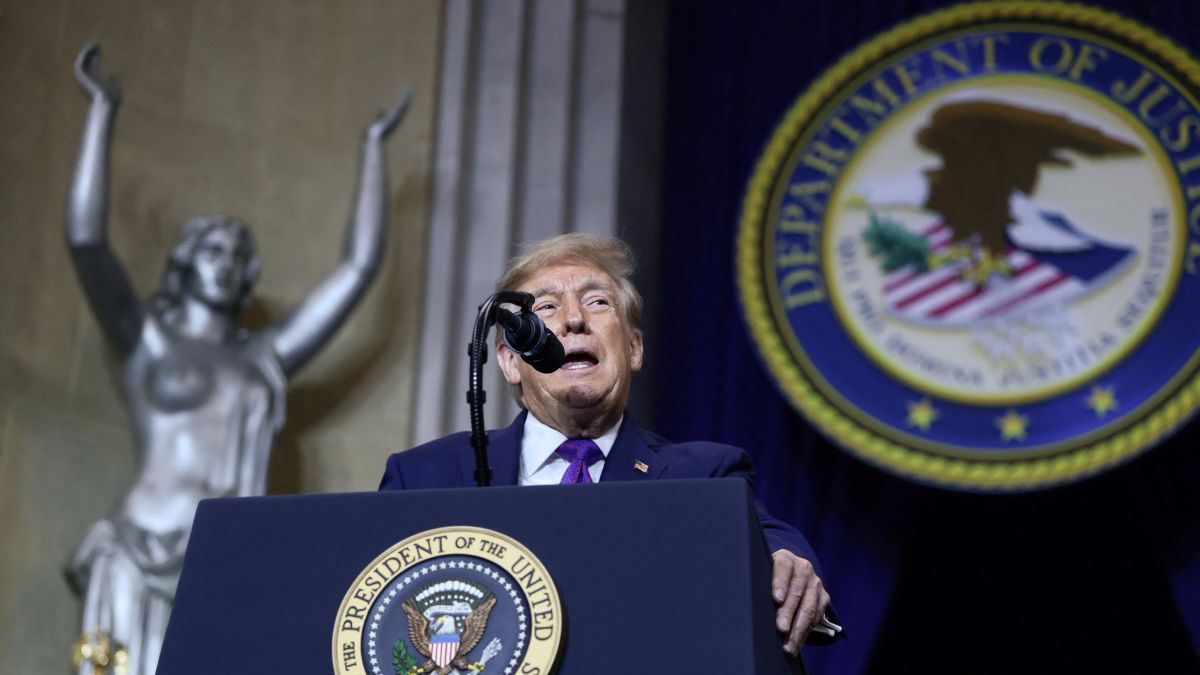
Trump wrote on Truth Social that the controlled detonation was the proper course, but ordered the military "not to do so until such time as the Eighth Circuit (Appeals court) agrees that we can go forward, and am further making this decision fully subject to the incoming Governor-Elect, Rob Sand, agreeing to the operation."
"If he or the courts do not agree, we will have no choice but to not proceed with the controlled removal of these hazardous materials," Trump wrote, "and be forced to hold the incoming Governor responsible for any and all death or destruction."
Sand has not agreed. He contends the administration should have decided months ago, and has asked the federal government to make public the information he received in briefings.
"Everyday Iowans are entitled to know how Middletown came to this situation, and learn why the administration believes this is the best path forward," Sand wrote on Monday. "I've asked the federal government to share that information with the public."
How We Got Here
The nearly 9,500 pounds of lead azide have been stored at the Iowa Army Ammunition Plant in Middletown for more than 20 years, and the Army became aware of the cache during a safety inspection in March. The EPA approved an emergency permit on Nov. 13, and the Army announced its plans on Nov. 15.
The blast was originally scheduled for Friday, Nov. 20, then postponed after public outcry over a plume of toxic lead dust travelling close to 100 miles. The Army later set Wednesday, Nov. 25, for "more optimal weather conditions."
The Iowa Environmental Council and the Sierra Club's Iowa chapter sued on Nov. 19, and the Eighth Circuit froze the EPA permit on Thursday. The Justice Department said late Saturday that the Army would invoke emergency powers to detonate the material without a permit. The Army told the court on Nov. 21 it intended to act on Nov. 24, then delayed again to Nov. 25.
Federal officials have said the window is closing because the material could explode spontaneously as temperatures drop below 30 degrees. The bunkers are more susceptible to temperature swings now because the blast doors were removed and cannot be replaced.
The Army has ruled out all other disposal options, telling Gov. Kim Reynolds it "concluded the only viable option was a controlled detonation in place." Environmental groups contend the emergency "is of the Army's own making."
Why It Matters
Trump's order turned a technical dispute into a political one: the detonation rests on the appeals court and the governor-elect. The court has acted, according to the Register. Sand has not — and he is using his leverage to demand transparency.
Trump cast blame on the Obama administration, which he said "improperly stored a vast number of explosives" in 2009, and said the weather is "optimal" for a planned detonation.
Middletown Mayor Rodney Johnson backs a swift detonation and urged an end to "fear-mongering."
Lawmakers from both parties are questioning how the substance was left to deteriorate for more than 20 years. Rep.-elect Christina Bohannan called the back-and-forth "gross mismanagement and miscommunication"; Rep. Ashley Hinson called the operation a "total failure."
What Happens Next
The detonation remains scheduled for Wednesday, Nov. 25, but the Army has not said whether it will proceed, and Lt. Col. Orlandon Howard told USA Today no time has been set. Under Trump's order, it cannot go ahead without Sand's agreement — and Sand has shown no sign of giving it.
If the blast does not happen this week, the window narrows: the material grows more unstable as temperatures fall.


Loading comments…