
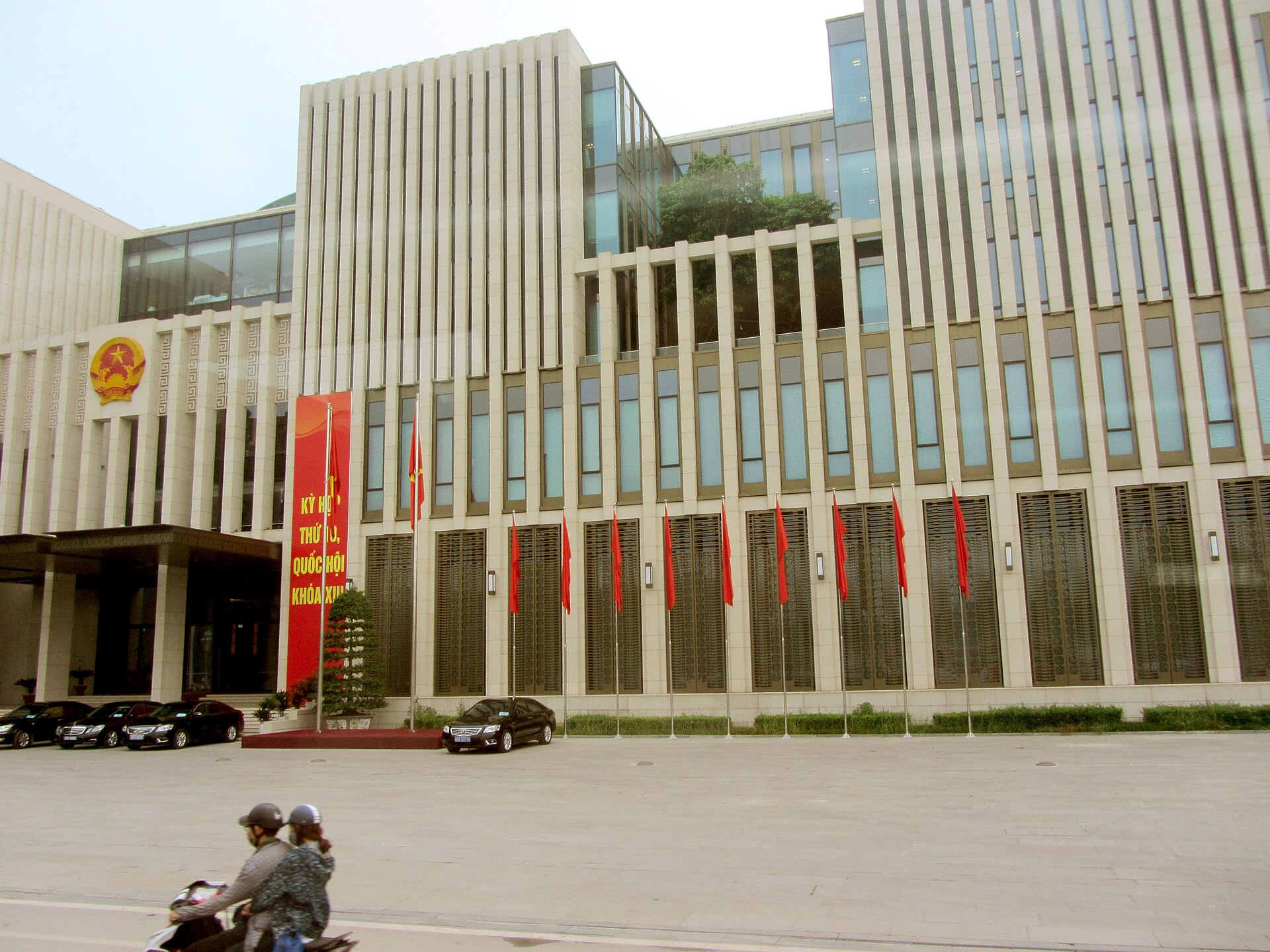
Vietnam has abolished the death penalty for drug trafficking, in the biggest narrowing of capital punishment in the country's history. The National Assembly voted on Friday to remove the death penalty for six offences, leaving just four crimes punishable by death.
The six offences removed are illegal trafficking of narcotic substances, rape of a person under 16, rebellion, crimes against humanity, war crimes, and terrorism aimed at opposing the people's administration — the last of which will be folded into the broader crime of terrorism, which remains a capital offence. The four crimes that still carry the death penalty are treason, murder, terrorism and the illegal production of narcotic substances. The revised Penal Code takes effect on March 1, 2027, with life imprisonment as the maximum sentence for the six offences removed. The vote was 463 of the 472 deputies present in favour.
The Details
The change matters most for drug cases. Trafficking had been one of the ten offences carrying the death penalty before the revision. From March 1, 2027, life imprisonment will be the harshest available sentence for that crime. Producing narcotics, by contrast, remains punishable by death — a distinction the code draws between making drugs and moving them.
A separate resolution on how to implement the revised code is scheduled to take effect on December 3, 2026, setting a legal step between the National Assembly vote and the code's start date. The revised code itself runs to 25 chapters and 417 articles.
How We Got Here
It is the second narrowing of capital punishment in Vietnam in as many years. In June 2025 the National Assembly abolished the death penalty for eight offences, including embezzlement, espionage, bribery and the illegal transportation of narcotics, effective July 1, 2025. That reform cut the number of capital offences from 18 to 10, and death sentences handed down before July 1, 2025 for those crimes but not yet carried out were commuted to life imprisonment. The 2025 reform may spare the life of real estate tycoon Truong My Lan, sentenced to death in the country's largest financial fraud case.
The long arc is striking. Vietnam's 1985 Penal Code listed 44 capital offences. The reductions since then — 44 to 18, then to 10, now to four — leave the country with the fewest capital crimes in its history. The International Bar Association's Human Rights Institute welcomed the 2025 reduction and called on Vietnam to pursue total abolition, citing its obligation under the International Covenant on Civil and Political Rights not to delay or prevent abolition. The 2025 reform also raised minimum prison sentences for several offences related to the environment, food safety and drugs, and doubled fines for environmental and counterfeit-goods crimes.
Why It Matters
The vote removes the death penalty from the crime that produces the most capital cases in Vietnam. Drug trafficking has been one of the most commonly prosecuted capital offences — trafficking 100 grams or more of heroin, cocaine or methamphetamine could previously bring a death sentence. For the families of those on death row for the six offences, the change is the difference between life and death, though what happens to sentences already handed down has not been spelled out in the reporting so far.
It also matters because of what it leaves untouched. Treason, murder, terrorism and drug production remain capital crimes, and the government has not signalled full abolition. The reform is a narrowing, not an ending — but it is the largest single step Vietnam has taken toward it.
What Happens Next
The implementation resolution takes effect on December 3, and the revised code follows on March 1, 2027. Trials held from that date will sentence under the new rules. The question now is whether the remaining four offences survive the next revision.




Loading comments…