
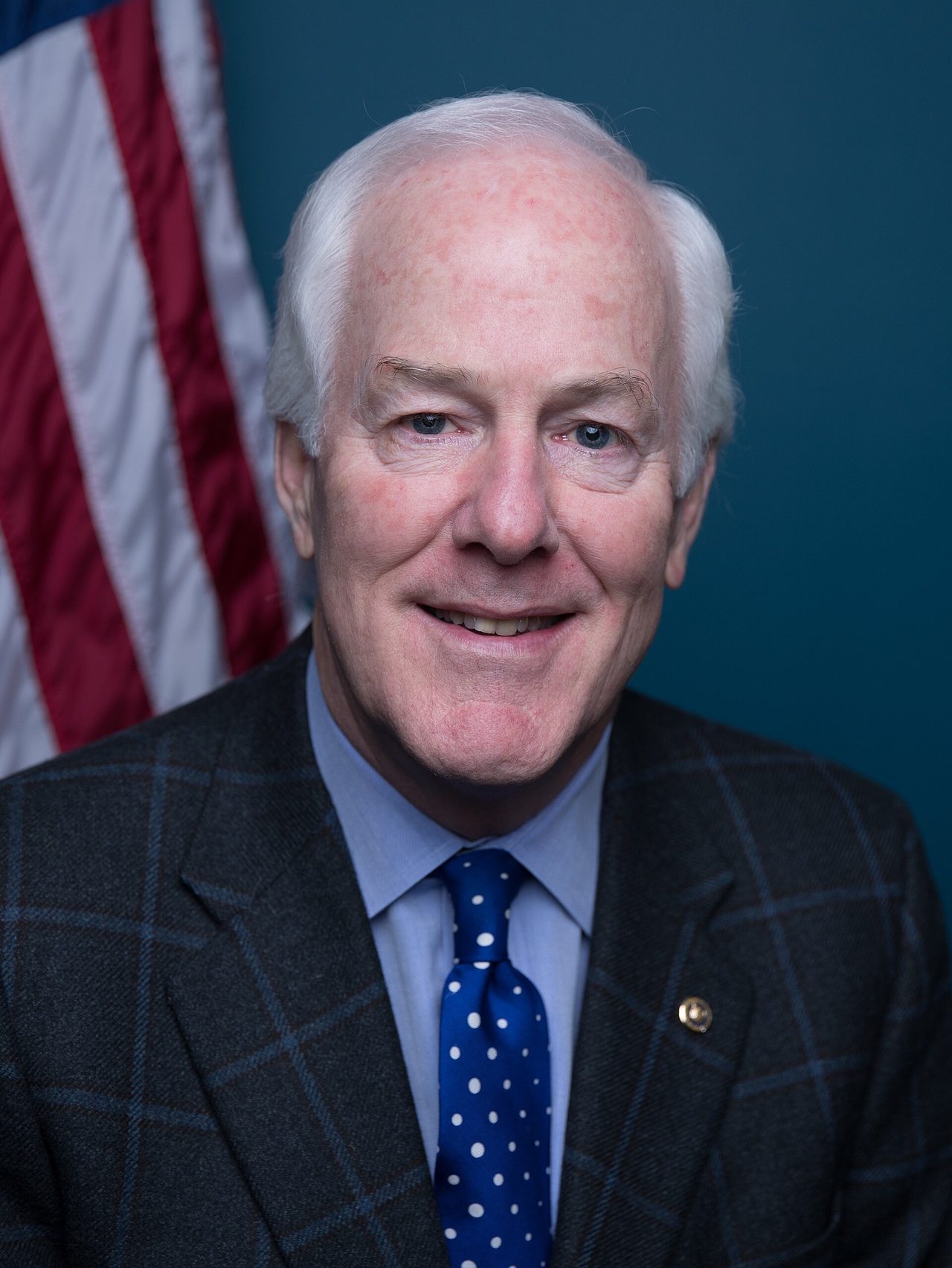
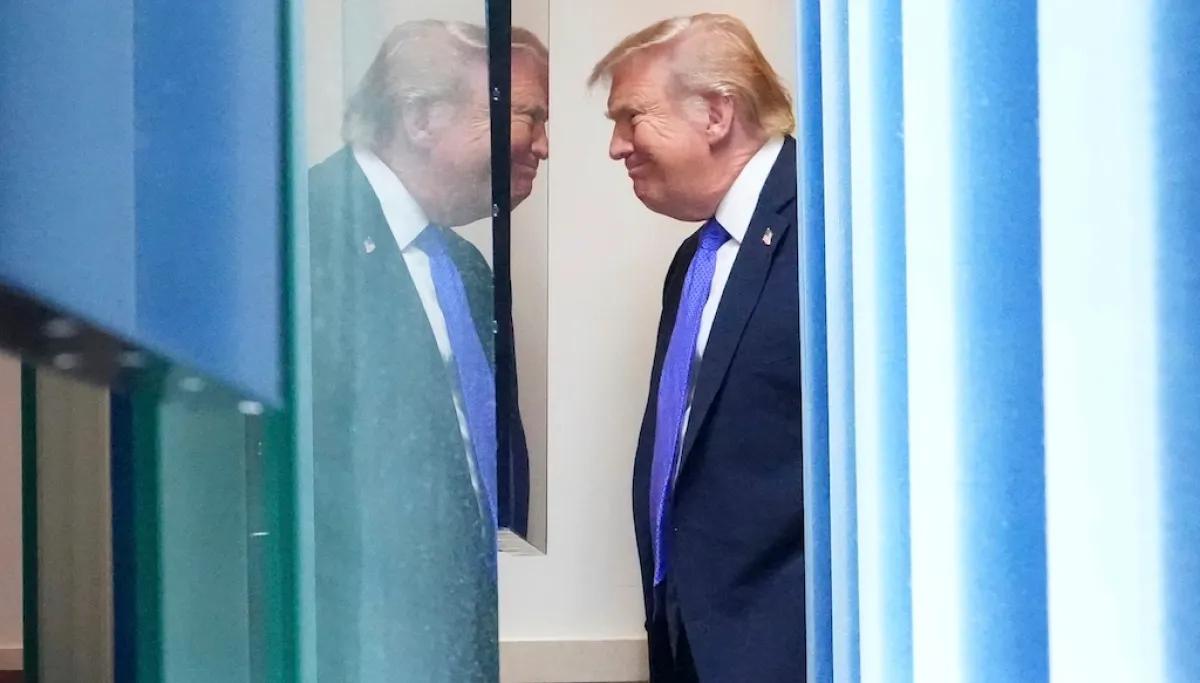
President Donald Trump accused Sen. John Cornyn of Texas on Saturday of blocking his nominee for a Dallas federal judgeship out of spite — saying the senator's “feelings were hurt” after losing his Republican primary.
“Everybody tells me he's outstanding, and he's being held up by John Cornyn because John Cornyn's feelings were hurt,” Trump said on Fox News' “Saturday in America,” describing his pick, Justice Department lawyer T. Elliot Gaiser, as “fantastic.” “He's a nice guy, John Cornyn, but he's doing a tremendous disservice.”
Cornyn, who told The Associated Press he has no intention of returning the “blue slip” Gaiser needs to advance, fired back within hours on X. “If President Trump wanted to fill a judicial vacancy in Dallas, why did he wait until after the midterms to nominate someone?” he wrote, noting the seat has been vacant since 2025.
Trump warned that leaving the seat open could let a Democrat fill it. “We're going to have a radical left lunatic get in there, and we don't want that,” he said.
“Everybody tells me he's outstanding, and he's being held up by John Cornyn because John Cornyn's feelings were hurt.”— President Donald Trump, on Fox News, Nov. 21, 2026
How We Got Here
Under the blue-slip tradition, a district court nominee needs both home-state senators' sign-off to move forward in the Judiciary Committee. Withholding the slip is, in effect, a veto — and Judiciary Chairman Chuck Grassley has kept the policy for district nominees despite Trump's objections.
Gaiser, 37, runs the Justice Department's Office of Legal Counsel, the president's senior constitutional adviser. He previously served as Ohio's solicitor general and clerked for Supreme Court Justice Samuel Alito. Trump announced the pick on November 10, and the nomination reached the Senate on November 16.
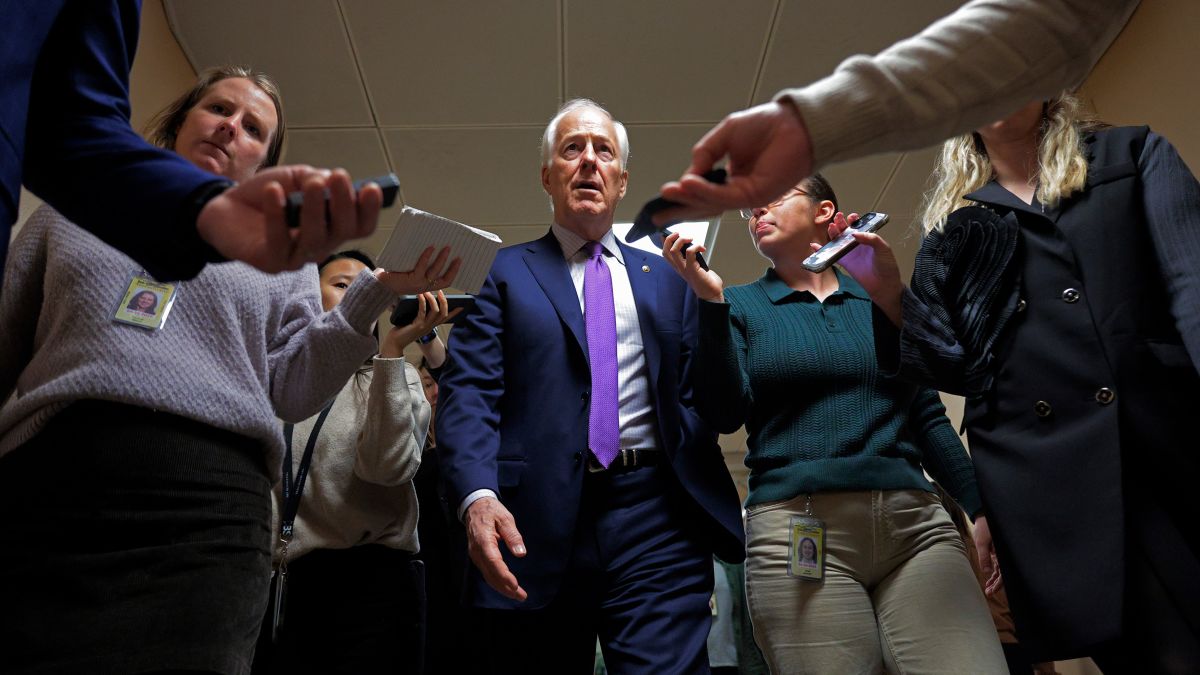
Two days later, Cornyn told reporters the nomination was finished. “I think his nomination is no longer viable,” he said on Wednesday, November 18. Gaiser did not appear at that day's Judiciary Committee hearing, where seven other judicial nominees testified.
Cornyn's stated objections are about the pick itself. He called Gaiser “a non-Texan with little connection to the Lone Star State, with no trial court experience, and who has not been appropriately vetted for a lifetime job,” and said Gaiser skipped the bipartisan screening committee Texas senators traditionally use.
The bad blood runs back to the spring. Cornyn lost this year's Republican primary to Texas Attorney General Ken Paxton, whom Trump endorsed. Paxton then lost the general election to Democrat James Talarico. Trump brought it up unprompted on Saturday: “John Cornyn would have lost by a lot. You know, one of those things. But he was beaten in the primary. And he feels badly about it.”
Why It Matters
The clock is the story. Democrats take control of the Senate on January 3, and Republicans are racing to confirm Trump's remaining judicial nominees before the gavel changes hands. Every seat left open now is a seat the next majority fills — the point Sen. Ted Cruz made when he sided with Trump.
“This is someone who was a law clerk at the U.S. Supreme Court for Justice Sam Alito,” Cruz said of Gaiser. “Unfortunately, my colleague John Cornyn decided to block the nomination, and any one senator can block a district court nomination from your state. And so Cornyn did what's called — he refused to return the blue slip, which basically means he vetoed it — and the result of that is the seat is going to remain vacant. The people of Dallas are not going to have a judge in that seat. And he basically gave the seat to the Democrats.”
Cornyn is not the first Republican to use a home-state veto against the White House in the lame-duck session. Other GOP senators have blocked picks of their own, and Sen. Thom Tillis has held up nominees lacking home-state Republican support.
Cornyn has offered another candidate for the Dallas seat, and the White House has asked about him but has not said whether it will drop Gaiser. For now, the nomination sits where Cornyn left it: unviable, unheard, and running out of calendar.
What Happens Next
Either the White House abandons Gaiser and sends up Cornyn's alternative, or the Dallas seat stays vacant into the new Congress — when a Democratic majority will have no reason to revive a Trump nominee. Trump could also keep pressing publicly, but pressure has not moved Cornyn so far.
What is settled is the feud itself. A president who endorsed the man who beat Cornyn in a primary is now blaming the defeated senator for a lost judgeship, and the senator is answering in public. The seat has been empty since 2025. The Senate changes hands in about six weeks.
© 2026 Capitol Wire Daily. All rights reserved. Capitol Wire Daily reports facts from official statements and verified reporting; developing stories are labeled as such.


Loading comments…