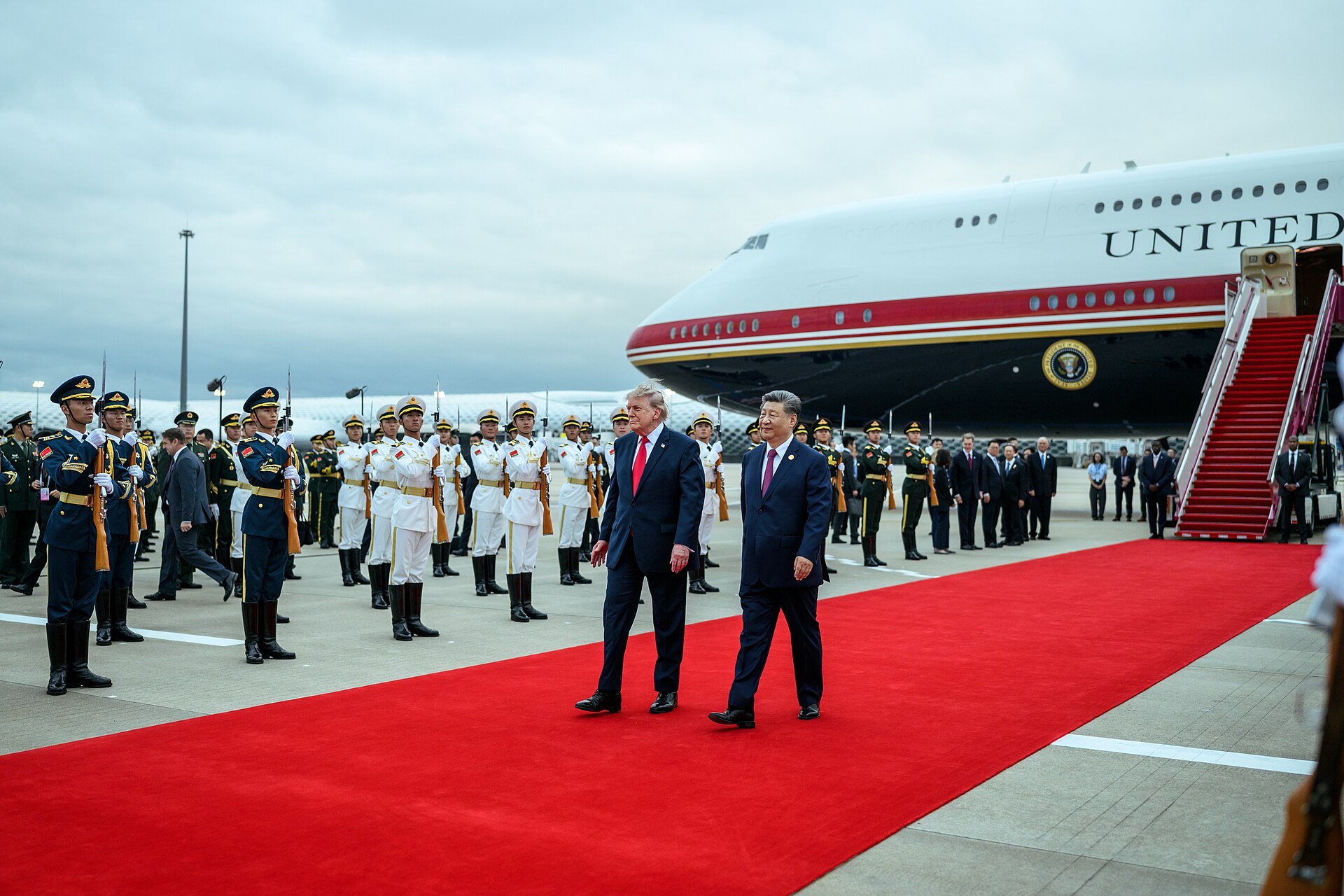
The United States and China agreed to extend their trade truce, the one concrete result of Thursday's meetings in Shenzhen, the Globe and Mail, CNBC and Bloomberg reported. But neither side said how long the extension runs, or on what terms. The current truce runs until January 10, 2027.
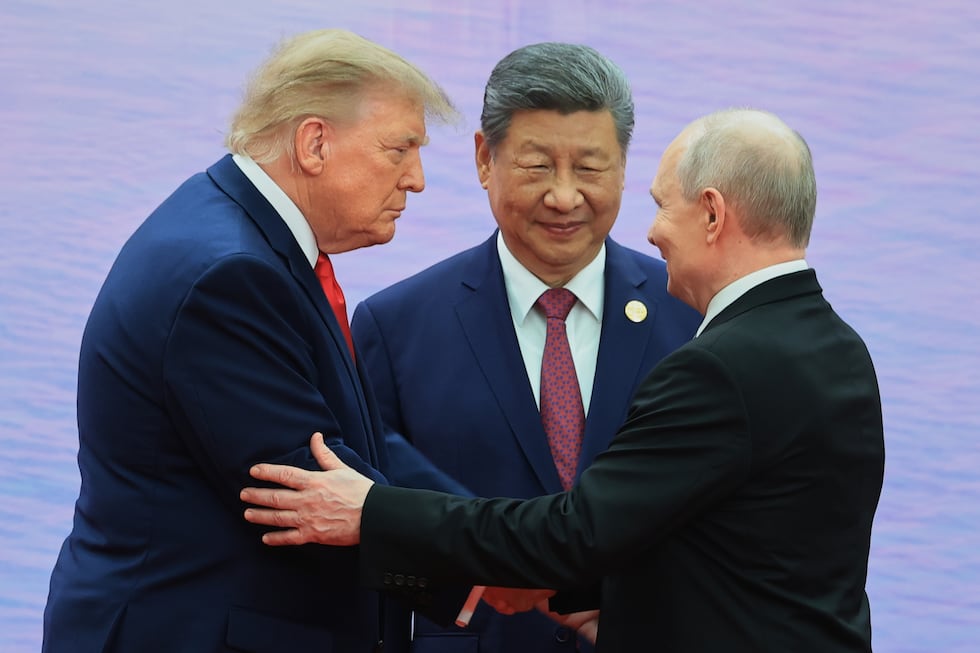
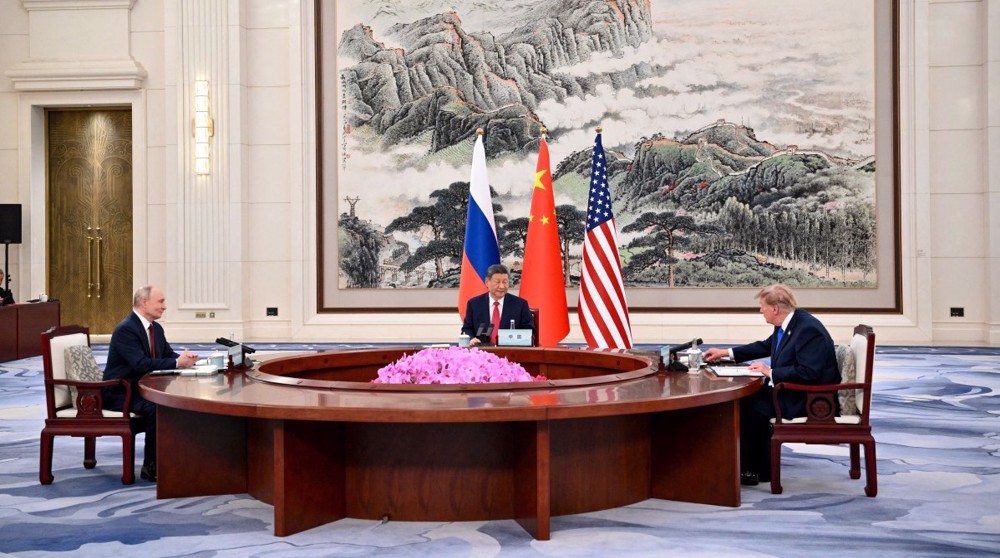
The three leaders also signed a four-point joint declaration — the first thing they have ever signed together. It commits them to reforming the United Nations, increasing refined oil supply, limiting the International Criminal Court's reach, and talking about reducing nuclear risks. It settles none of the wars or arms questions on the agenda.
“Building a constructive China-US relationship of strategic stability is also an unprecedented, pioneering undertaking.”— Xi Jinping
The Details
The declaration, published by Xinhua, said: first, the three countries, as permanent members of the UN Security Council, committed to reforming the UN to respond more effectively to global challenges. Second, they will increase refined petroleum production and supply and keep energy flows stable. Third, they said the consent of states and officials' immunities are paramount, and agreed the International Criminal Court "must not abuse their jurisdiction." Fourth, they reaffirmed that "a nuclear war cannot be won and must never be fought," and will hold talks on reducing nuclear risks.
The extension was agreed in the private Trump-Xi meeting before the trilateral session. The Chinese government's own readout mentioned no extension details, according to Nikkei. The Busan truce of October 2025 had been due to run until January 10, 2027, after tariffs peaked at 145 percent in America and 125 percent in China. The two sides are looking to advance tariff reductions on $30 billion of each other's imports through the new US-China Board of Trade.
Xi called the meeting "positive and constructive," saying the two had agreed to build a "constructive relationship of strategic stability" and draw up an action plan, with more cooperation on AI and drugs. Trump called Xi a "friend," and credited the Board of Trade for rebalancing what he called a "lopsided relationship." "We've made it a fair relationship—that's what we want," Trump said. On Taiwan, China cited Trump sticking to the US position of not supporting the island's independence.
How We Got Here
The chip fight hangs over everything. Washington unleashed new export controls this week to thwart Beijing's training of frontier AI models, prompting warnings of retaliation. The downfall of Nvidia co-founder Jensen Huang, an opponent of chip-sale restrictions, also clouded the atmosphere. Trump downplayed tensions on Fox News, hailing his "friendship" with Xi.
The bargain behind the truce is under strain. Under the September deal, the United States would hold off new technology curbs in exchange for a steady flow of critical minerals from China. US officials say America is not getting rare earths at the expected volume and pace — a grievance Treasury Secretary Scott Bessent and Trade Representative Jamieson Greer raised with Vice Premier He Lifeng in a video call this month.
The summit ran from 4:16 p.m. to 6:01 p.m. Xi went further on nuclear weapons than the other two, calling for them to be "comprehensively banned and thoroughly destroyed." Trump said the three countries were "uniquely positioned to discuss how to reduce the number of nuclear weapons." No deal came out of the talks on Ukraine or Iran, and no new nuclear arms treaty was signed. New START expired in February, leaving the two largest arsenals uncapped. Trump left Shenzhen for Washington soon after the talks ended, without speaking to reporters.
Reactions
Volodymyr Zelenskyy had warned the meeting could become a "new Yalta." Allies worried Trump might present proposals on Ukraine or Taiwan as wins, without Ukraine or Europe in the room. The three sides said nothing about when — or whether — they would meet again, and no date was set for the promised nuclear-risk dialogue.
Why It Matters
The declaration is a dialogue, not a deal — but the truce extension keeps tariffs down and the world's two largest economies talking. The court point is a direct challenge to the International Criminal Court, which has an arrest warrant out for Putin. And the chip curbs remain the live threat to the truce: if they trigger Chinese countermeasures, the extension could unravel before its terms are known.
What Happens Next
Watch for the truce's new terms and duration — neither side has disclosed them. Watch whether the chip curbs trigger Chinese countermeasures, and whether the $30 billion in tariff reductions advances. Trump and Xi meet again at the G20 in Miami next month.


Loading comments…