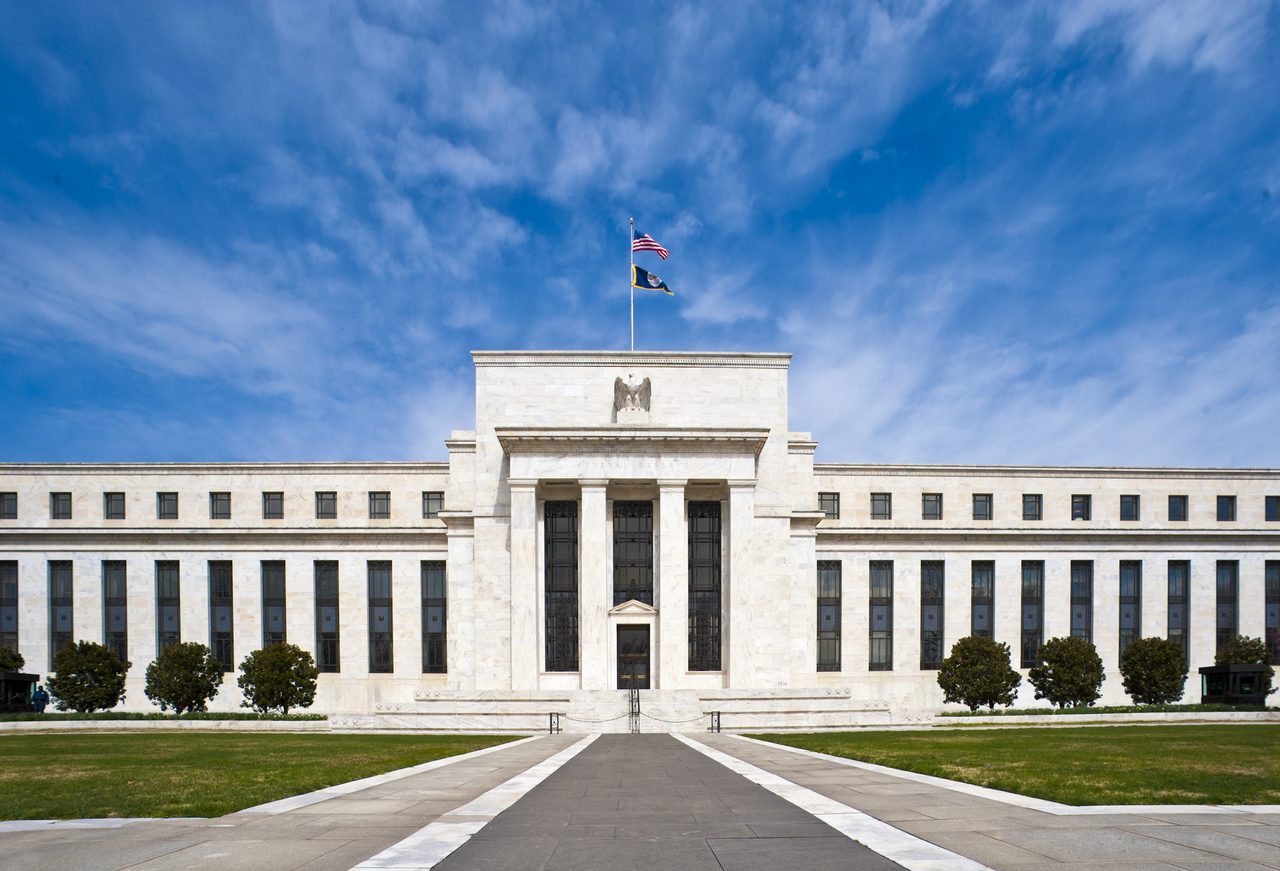
88.5%. That is the market's priced-in probability of a Federal Reserve rate hike on December 9, according to CME FedWatch — up from 76% just eight days earlier. Traders now assign an 11.5% chance to a larger, half-point move, and no chance at all to a hold or a cut.
The shift hardened on Friday, when San Francisco Fed President Mary Daly said her “bias” is that the central bank will need to raise rates, with services inflation “moving in the wrong direction.” Core consumer prices have now risen about 0.3% a month for three straight months. Governor Christopher Waller went further days earlier, saying a half-point hike should be on the table at the December 8–9 meeting if core inflation stays hot.
The data behind the talk: producer prices, reported Friday, rose 6.5% over the year — the most since November 2022. The Fed's current target range stands at 3.75% to 4.00%.
Markets react
The market reaction was swift. Bitcoin slipped below $65,000, and the 10-year Treasury yield closed above 5.1%, at 5.139% — levels that tighten financial conditions well before the Fed itself moves. The White House has given no official response yet to the latest shift in hike odds.
The Fed's next decision comes on December 9. Between now and then, every inflation print will be read the same way traders read Daly's comments on Friday: as evidence of whether the central bank is about to tighten into an economy — and a political environment — that expected the opposite.
The week's sequence tells the story of the shift. On November 10, Waller put a half-point hike on the table. On November 13, the producer price report showed a 6.5% annual rise, the largest since November 2022 — and the same day, Daly said her bias was toward raising rates, citing services inflation moving in the wrong direction. By November 14, FedWatch had repriced December almost completely: 88.5% for a quarter-point, 11.5% for a half-point, nothing for anything else.
A December hike would take the target range to 4.00%–4.25% or higher, with direct consequences for mortgage rates, business borrowing and a federal government carrying its debt at market prices. It would also land in a charged institutional moment: the Fed is simultaneously defending its independence in the Cook removal fight, a case that turns on how much control the president holds over the central bank's governors.
There is one more inflation report and a month of data between now and the meeting. For now, the officials who have spoken are pointing the same direction, and the market is listening.