
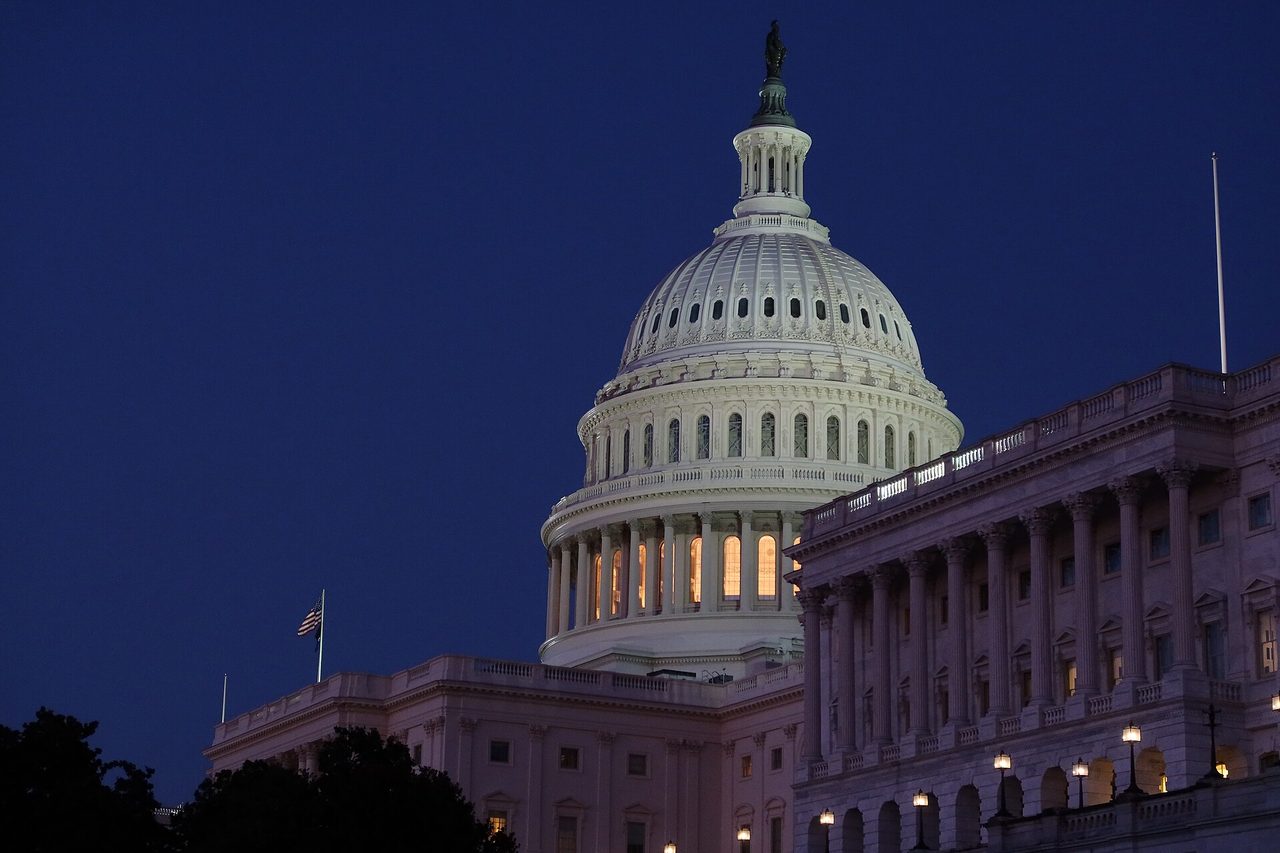
The United States Senate voted 62–33 late Thursday to pass the most sweeping overhaul of federal permitting in years — a bipartisan bill that would shorten environmental reviews, limit lawsuits against approved projects and force data centers to pay for the power they consume. The Bipartisan American Affordability and Jobs Act, known as BAAJA, now heads to the House, where its fate is uncertain and the clock is short.
The vote was the first major action by Congress since the midterm elections that repudiated President Donald Trump and congressional Republicans. Fifteen Democrats voted yes, including Senate Minority Leader Chuck Schumer. Only two Republicans — Senators Josh Hawley of Missouri and Mike Rounds of South Dakota — voted no. Trump, who has spoken in favor of the bill, praised it at a White House briefing on Friday, calling it landmark permitting reform and saying it is projected to put at least $1,300 a year back in the pockets of hardworking Americans.
“lowering Energy Costs for American Families.”— President Donald Trump, on the Bipartisan American Affordability and Jobs Act
How We Got Here
The bill was introduced on September 30 by four senators who spent months negotiating it: Republicans Shelley Moore Capito of West Virginia and Mike Lee of Utah, and Democrats Martin Heinrich of New Mexico and Sheldon Whitehouse of Rhode Island. It is the most significant piece of permitting reform legislation Congress has passed in years.
At its core, the bill rewrites how the federal government approves energy and infrastructure projects. It shortens timelines for federal environmental reviews under the National Environmental Policy Act, the Clean Water Act and the Endangered Species Act, and changes the National Historic Preservation Act. Lawsuits challenging environmental reviews would generally have to be filed within 150 days of a project's authorization, and it would become harder for federal agencies to reverse permits once they have been issued.
The bill also takes on one of the most politically charged costs of the artificial intelligence boom: data centers. Under the measure, data centers would have to pay for their own transmission and energy costs, instead of letting those costs land on neighboring households and businesses. Supporters say the provision protects families from rising electricity bills as data centers multiply; the bill's backers also note it bolsters clean energy sources like wind and solar, not only fossil fuels.
Why It Matters
The argument for the bill is speed. Pipelines, power plants, transmission lines and mines can spend years — sometimes a decade — moving through federal reviews and court challenges, while demand for electricity surges. The bill's supporters, in both parties, say the United States cannot meet that demand, or lower energy costs, under the current system. That is the $1,300-a-year promise Trump highlighted on Friday: cheaper energy, delivered by projects that actually get built.
The argument against it is what gets lost in the rush. The Sierra Club said the Senate passed a deeply flawed bill with little debate and an insufficient amendment process. Its executive director, Loren Blackford, said the bill "furthers the buildout of fossil fuels, strips away power from communities and Tribes, threatens our clean water and public lands, and endangers wildlife." Environmental advocates and supporters of Native American rights have raised the same objections, particularly over the changes to historic preservation reviews and the limits on judicial review.
The split inside the Democratic Party is the story of the vote itself. Fifteen Democrats crossed over, Schumer among them, arguing the bill helps clean energy as much as it helps fossil fuels. Thirty-one Democrats voted no. It passed without floor amendments.
What Happens Next
The bill now goes to the House, which approved a more limited, industry-friendly version of permitting reform last year. The House is out of session next week for Thanksgiving, and no vote has been scheduled. Its chances there are unclear: the Senate bill faces opposition from some environmental advocates, and House leaders have not said when — or whether — they will take it up.
The deadline is the calendar. If the bill is not adopted by both chambers before the 120th Congress takes over in January, it would have to be reintroduced — and renegotiated — under a new Congress in which Democrats will control both the House and the Senate. The 62-vote Senate bill could look very different — or not exist at all — by February.
For now, the Senate has done its part. The question is whether the House acts — or lets the first big bipartisan bill of the post-midterm Congress die quietly before the new one arrives.
© 2026 Capitol Wire Daily. All rights reserved. Capitol Wire Daily reports facts from official statements and verified reporting; developing stories are labeled as such.



Loading comments…