
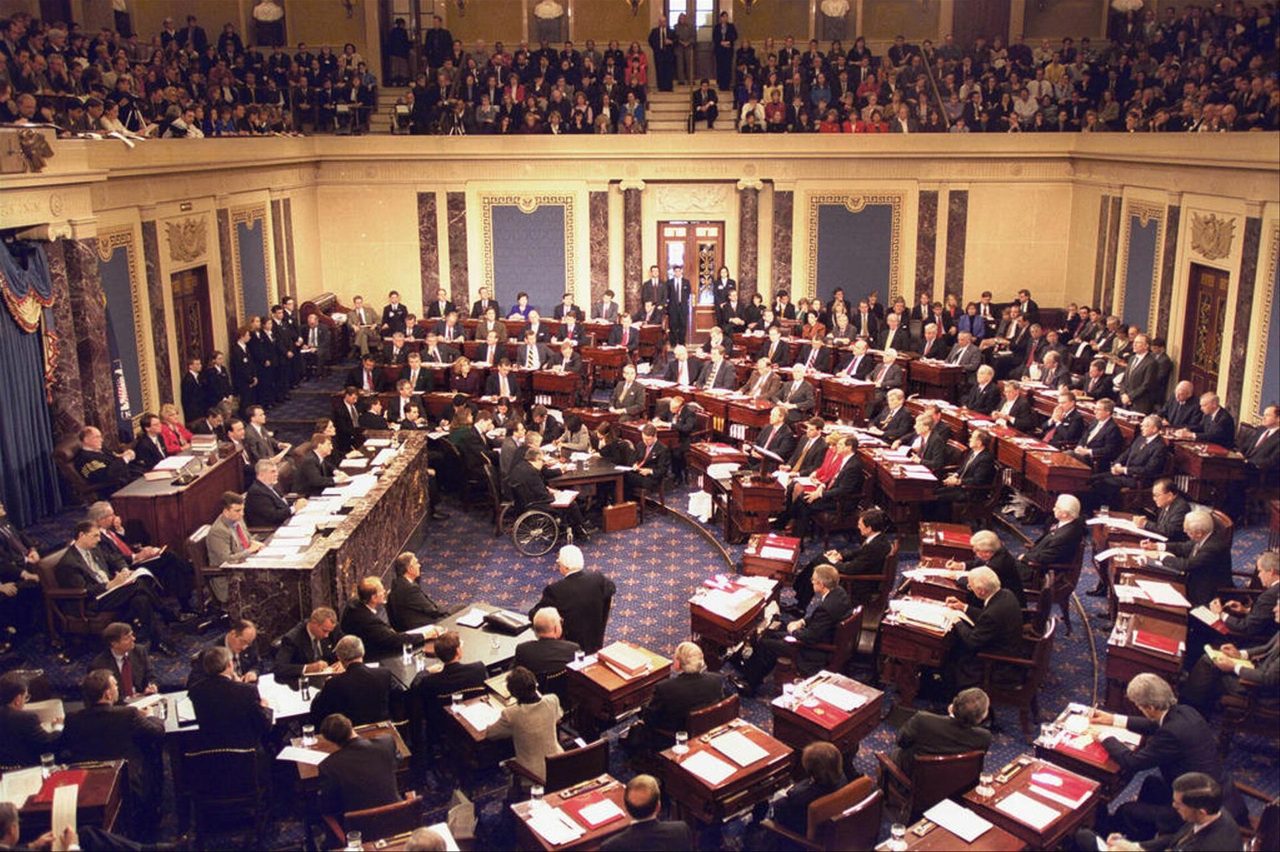
The U.S. Senate voted 62–33 on Thursday night to pass a sweeping bipartisan bill that rewrites how America builds big things — the first major legislation to clear Congress since the midterm elections, and the most significant overhaul of federal permitting in years.
The Bipartisan American Affordability and Jobs Act, more than 400 pages long, speeds federal approvals for power plants, transmission lines, mines and data centers. It shortens deadlines for environmental reviews, narrows the window to sue developers, and limits the circumstances under which approved permits can be withdrawn. President Donald Trump has said he will sign it if the House passes it.
How We Got Here
Permitting reform has been negotiated on Capitol Hill for years, stalling again and again as the two parties fought over how far to go in rewriting environmental law. The bill's four authors — Republican Sens. Shelley Moore Capito of West Virginia and Mike Lee of Utah, and Democratic Sens. Martin Heinrich of New Mexico and Sheldon Whitehouse of Rhode Island — scheduled the vote for after the midterm elections. Cloture passed 65–31 on Wednesday; the final vote came Thursday evening.
The politics scrambled party lines. Fourteen Democrats and one independent joined most Republicans in voting yes, including Minority Leader Chuck Schumer. Only two Republicans — Josh Hawley of Missouri and Mike Rounds of South Dakota — voted no. The authors wanted the bill passed before a new Congress takes office in January.
The timing is no accident. Demand for electricity is surging as artificial intelligence data centers multiply, and energy costs were a central issue in the midterm elections that cost Republicans control of Congress. The bill also requires the largest data centers to pay more of the cost of the electricity grid they strain.
“Tonight, the passage of permitting reform in the Senate finally became reality, and we took a major step towards addressing the affordability concerns of the American people.”— Sen. Shelley Moore Capito (R-W.Va.), co-author of the bill, after the vote
Why It Matters
Supporters say the bill attacks the affordability crisis at its root. Faster permits mean more power plants, more transmission lines and more mines — and, they argue, lower electricity bills for American families. Sen. Chris Coons (D-Del.), who voted yes, called it “a truly bipartisan piece of legislation that will do a lot of good to lower electricity costs, reduce emissions, fast-track energy projects, and ensure data centers pay more than their fair share” — while adding that the bill “is not perfect” and that his amendments to improve its environmental provisions failed.
Critics say the price is too high. Environmental groups and several Democrats argue the bill weakens bedrock laws — the National Environmental Policy Act, the Clean Water Act and the Endangered Species Act — and bars agencies from revoking or materially changing permits in effect on or after November 6, 2026, a provision critics call “forever permits.” Sens. Jeff Merkley and Ron Wyden say the next Congress, which Democrats will lead, could write a better bill that boosts clean energy without sacrificing public lands. Justin Meuse of the Wilderness Society said he understood the affordability argument but believed the next Congress could produce a better bill.
The numbers frame the fight: 62–33 on final passage, 65–31 on cloture, more than 400 pages of rewritten law. The Senate bill goes further than a more limited, industry-friendly version the House approved last year — which is why the House is now the hard part.
What Happens Next
The bill now heads to the Republican-controlled House, where Roll Call reports it is expected to clear after Thanksgiving — but its future there is uncertain. Some Democrats have voiced opposition, House Minority Leader Hakeem Jeffries has called for greater Democratic involvement in the negotiations, and some Republicans have raised concerns about the electricity transmission provisions. Senate Majority Leader John Thune has urged the House to approve the measure without further changes; any revisions would send it back to the Senate.
If the House passes it unchanged, it goes to the president's desk. Trump wrote that the bill will ensure the United States can build pipelines, mines and power plants more quickly, “lowering Energy Costs for American Families.” If the House balks, the bill's authors will have to decide whether to renegotiate — or let the new Congress, seated in January, start over.
© 2026 Capitol Wire Daily. All rights reserved. Capitol Wire Daily reports facts from official statements and verified reporting; developing stories are labeled as such.



Loading comments…