
RUMOR — the Russian warship link is suspected, not confirmed. No government, NATO or civil aviation regulator has publicly attributed the interference to any ship or country.
About 140 commercial flights lost satellite navigation over the North Sea on the evening of November 9, and analysts suspect a Russian warship about 190 miles off the English coast was the source.
“It's the first time to my knowledge, first time we've seen anything this far west. But equally, I don't think it'll be the last time.”— Dr Thomas Withington, electronic warfare specialist
The outage lasted around 19 to 20 minutes. At its peak, up to 92 aircraft simultaneously lost reliable GPS, according to aviation intelligence firm Hexbird. Around 40 of the affected flights were in UK-controlled airspace. No flight was lost, no aircraft declared an emergency and none was forced to divert.
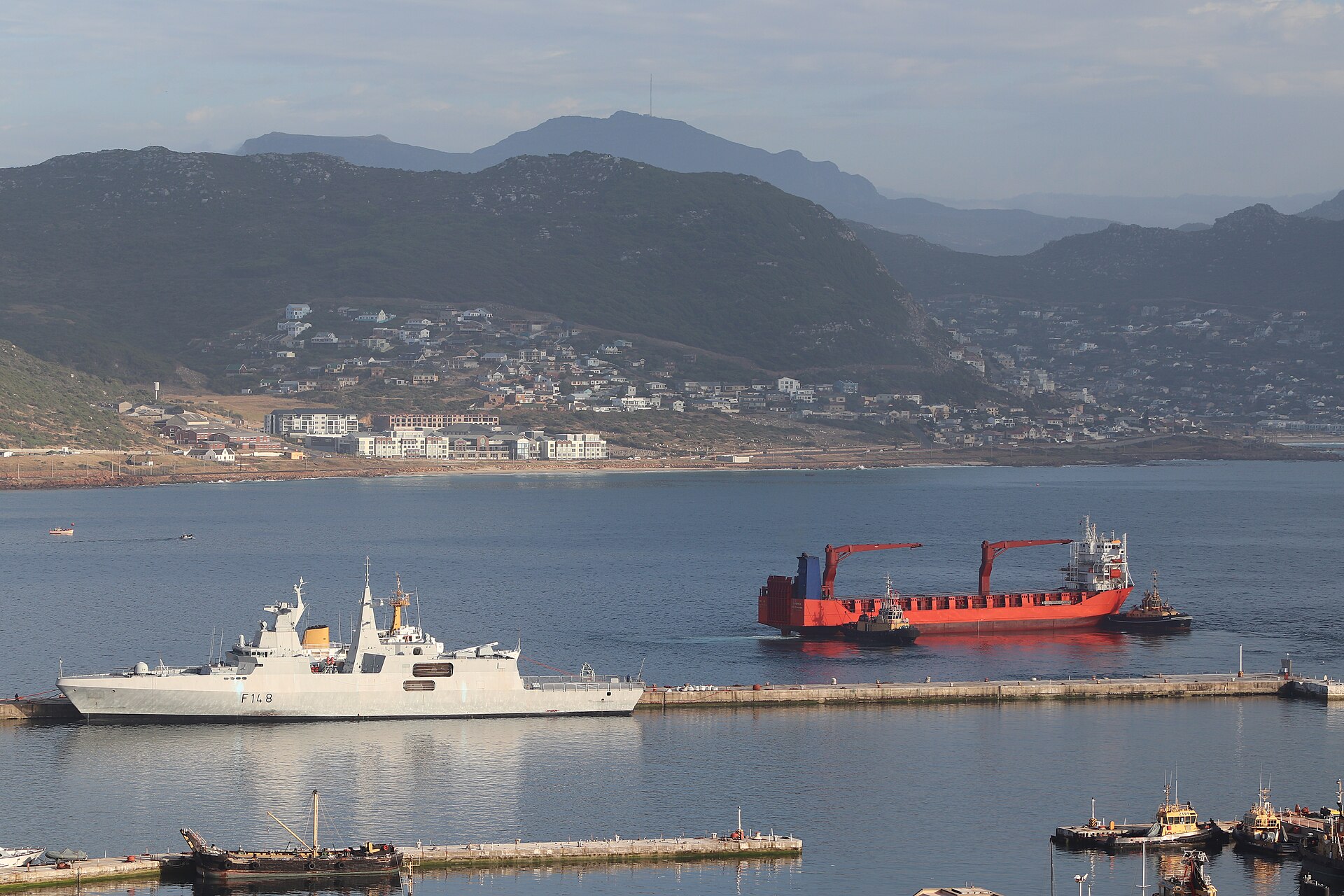
The suspicion centres on a Russian naval vessel said to have been escorting three sanctioned cargo ships — Lady R, Lady D and Maia-1 — toward the English Channel. But the link remains unproven, and the British government has declined to comment.
The Details
The disruption was detected through anomalies in ADS-B data, the system by which aircraft broadcast their GPS position. Aircraft suddenly showed degraded or missing navigation quality while cruising across the southern North Sea, the Netherlands, eastern England and northwestern Germany.
Hexbird traced the probable origin to a single strong radio source over the southern North Sea, about 190 miles from the English coast — consistent with a mobile transmitter at sea rather than a fixed land-based system.
Ship-tracking data showed a small Russian-flagged convoy moving south toward the English Channel, including the sanctioned cargo vessels Lady R and Maia-1. The convoy was accompanied by a Russian naval escort, which maritime analysts say is the most likely platform for jamming powerful enough to affect aircraft over such a wide area.
Among the flights identified were a Ryanair service from Edinburgh to Rome, an easyJet flight from Manchester to Hurghada and a British Airways service from London to Stockholm. All continued safely using alternative navigation systems and air traffic control guidance, and the UK Civil Aviation Authority reported no loss of separation or serious safety occurrences linked to the interference.
How We Got Here
The incident was first reported by The i Paper on November 23, two weeks after it happened. It fits a wider pattern of GPS jamming and spoofing in the eastern Baltic, the Black Sea and the eastern Mediterranean, all linked to military activity.
The North Sea has historically seen far fewer large-scale outages, and Hexbird's data shows a dense cluster of affected flights in a relatively compact area — unusual for the region.
NATO forces were reported to be tracking the convoy, shadowed by at least one French and one Dutch warship. There is no public indication that NATO attempted to counter the suspected jamming, and no member has called the event an attack.
Why It Matters
James Droxford, a former naval intelligence officer, said the warship was "almost certainly the origin of the GPS jamming, not the merchant vessels," and suggested it may have been retaliation for NATO monitoring the convoy. Ramsey Faragher, chief executive of the Royal Institute of Navigation, said it was "likely" to have originated from a "dedicated military platform," adding that the UK was lucky the jamming happened so far offshore, where it could not reach mobile phone networks or digital radio.
Electronic warfare specialist Dr Thomas Withington said that if Russia was found to be behind the jamming, it would mark "an intensification of the disruption that we've seen so far."
A government spokesperson declined to comment on operational security or intelligence matters. British Airways and easyJet also declined to comment on security matters.
For passengers, the disruption was largely invisible: aircraft carry multiple layers of navigation redundancy. But the scale of this event has prompted renewed attention to how resilient Europe's air traffic system is to more frequent jamming.
What Happens Next
No official attribution is expected soon. The incident is likely to feature in upcoming safety reviews between the UK, European aviation bodies and NATO, and regulators are expected to work behind the scenes on updated guidance for pilots and better jamming detection.
Travellers are unlikely to see visible changes tied to the incident. But if the suspicion is confirmed, it would mark the first time GPS jamming on this scale has been traced to a Russian naval vessel so close to the British coast — and, in the words of one specialist, it may not be the last.




Loading comments…