
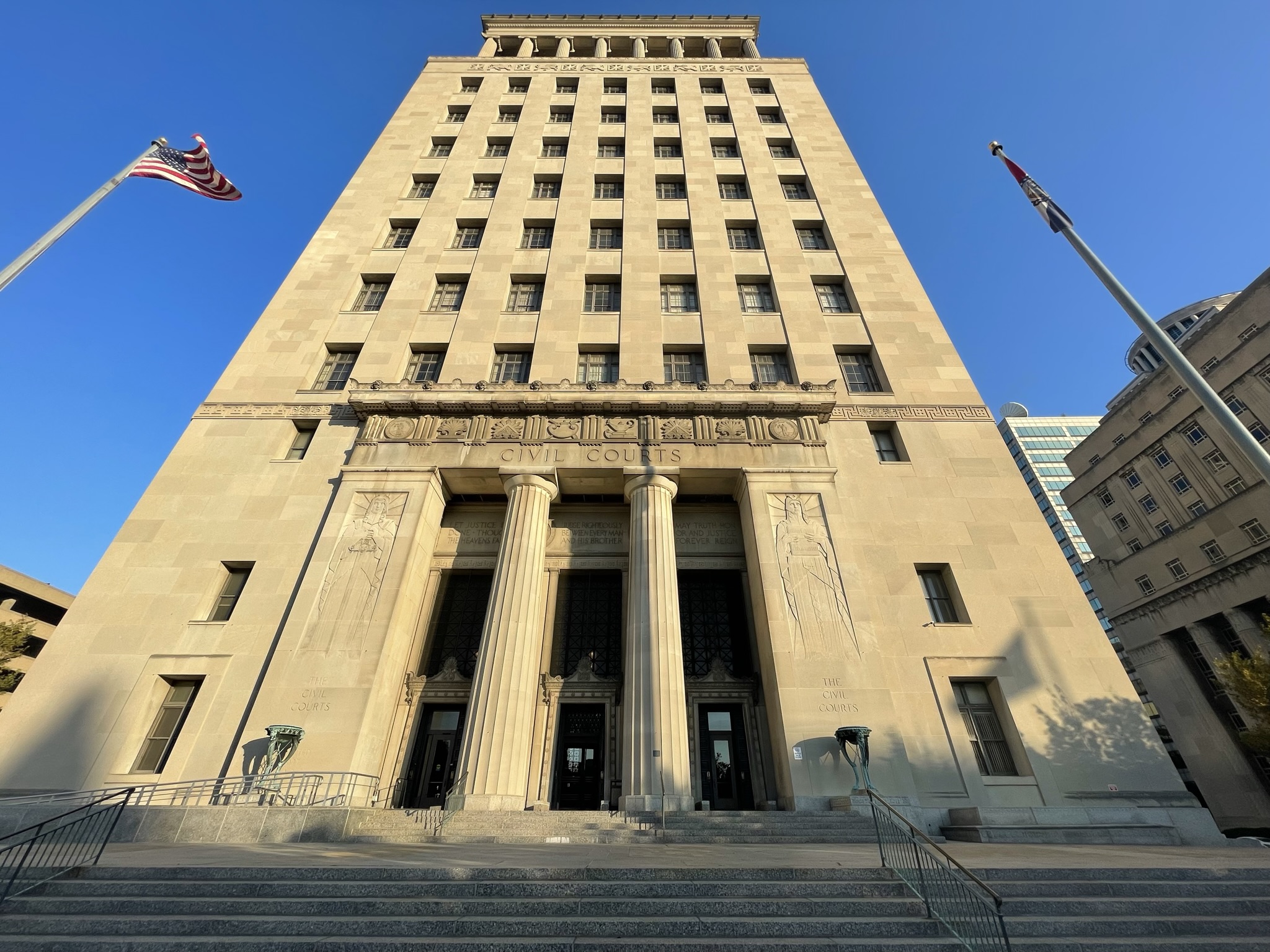
A Missouri judge has given final approval to Bayer's $7.25 billion settlement of lawsuits alleging that its weedkiller Roundup causes cancer, a decision that could finally resolve litigation that has weighed on the German company for close to a decade.
St. Louis Circuit Judge Timothy Boyer approved the nationwide settlement on Friday, clearing the way for Bayer to pay up to $7.25 billion over as many as 21 years into a special fund for people who developed non-Hodgkin lymphoma after exposure to Roundup. The settlement covers both people who are already ill and those diagnosed in the future.
“Today's final approval order delivers guaranteed compensation to Roundup cancer victims who have waited more than a decade for justice.”— Christopher A. Seeger, court-appointed counsel for cancer patients in the case
The Details
Participants could receive average payouts of between $10,000 and $165,000, depending on how they used the product, how old they were when diagnosed and the severity of their illness. The settlement includes $600 million for attorneys' fees. Bayer admits no liability, and the decision could still be appealed.
The settlement covers two groups. The first includes people who were exposed to Roundup before February 17, 2026, and have a medical diagnosis of non-Hodgkin lymphoma now. The second includes those who receive a diagnosis of the disease before the end of a 16-year period following final approval of the agreement.
In a written judgment granting approval, Judge Boyer said the average individual payouts are "fair and adequate" and the total dollar amount is "among the largest in the history of mass tort personal-injury class action settlements." He said there was a risk Bayer would have filed for bankruptcy protection if the settlement had been rejected.
"Today's final approval order delivers guaranteed compensation to Roundup cancer victims who have waited more than a decade for justice," said Christopher A. Seeger, a court-appointed counsel for cancer patients in the case.
How We Got Here
Monsanto debuted Roundup in 1974, with the chemical glyphosate as its active ingredient. Thousands of lawsuits followed from users who said the company should have warned them that the weedkiller could cause lymphoma. Bayer, which now owns Monsanto, denies that Roundup causes cancer, but the litigation has cost it billions and dragged on for years.
Earlier this year, the US Supreme Court ruled in Bayer's favour, finding in a 7-2 decision that federal pesticide law shields the company from state-court lawsuits over claims that it failed to warn consumers about glyphosate. Judge Boyer cited that ruling in determining that the settlement met the test for adequacy.
The settlement was announced in February and filed in St. Louis Circuit Court in Missouri, home to Bayer's North America crop science division and the state where many of the lawsuits have been brought. It is in addition to earlier settlements, and is designed to address most of the remaining lawsuits, as well as any additional cases brought in the coming years by people exposed to Roundup before the settlement was proposed.
Why It Matters
For Bayer, the deal buys certainty. The company has said the mounting cost of litigation led it to contemplate pulling Roundup from US agricultural markets — a step that would have shaken the farm economy. The settlement caps that exposure at $7.25 billion spread over two decades, and Bayer chief executive Bill Anderson called the court's approval "a decisive milestone in the company's strategy to mitigate the risks of both pending and future Roundup litigation."
For the claimants, it guarantees compensation without another decade of trials. The fund will pay people who are sick now and people who fall ill in the years ahead, as long as their exposure came before the February cut-off date.
What Happens Next
Bayer will begin making annual payments into the special fund, with the total reaching as much as $7.25 billion over up to 21 years. People who were exposed to Roundup before February 17, 2026, and are diagnosed with non-Hodgkin lymphoma within the next 16 years can claim from the fund. Objectors can still appeal the approval, and the settlement's long tail means the Roundup litigation will not fully close for a generation.

Loading comments…