
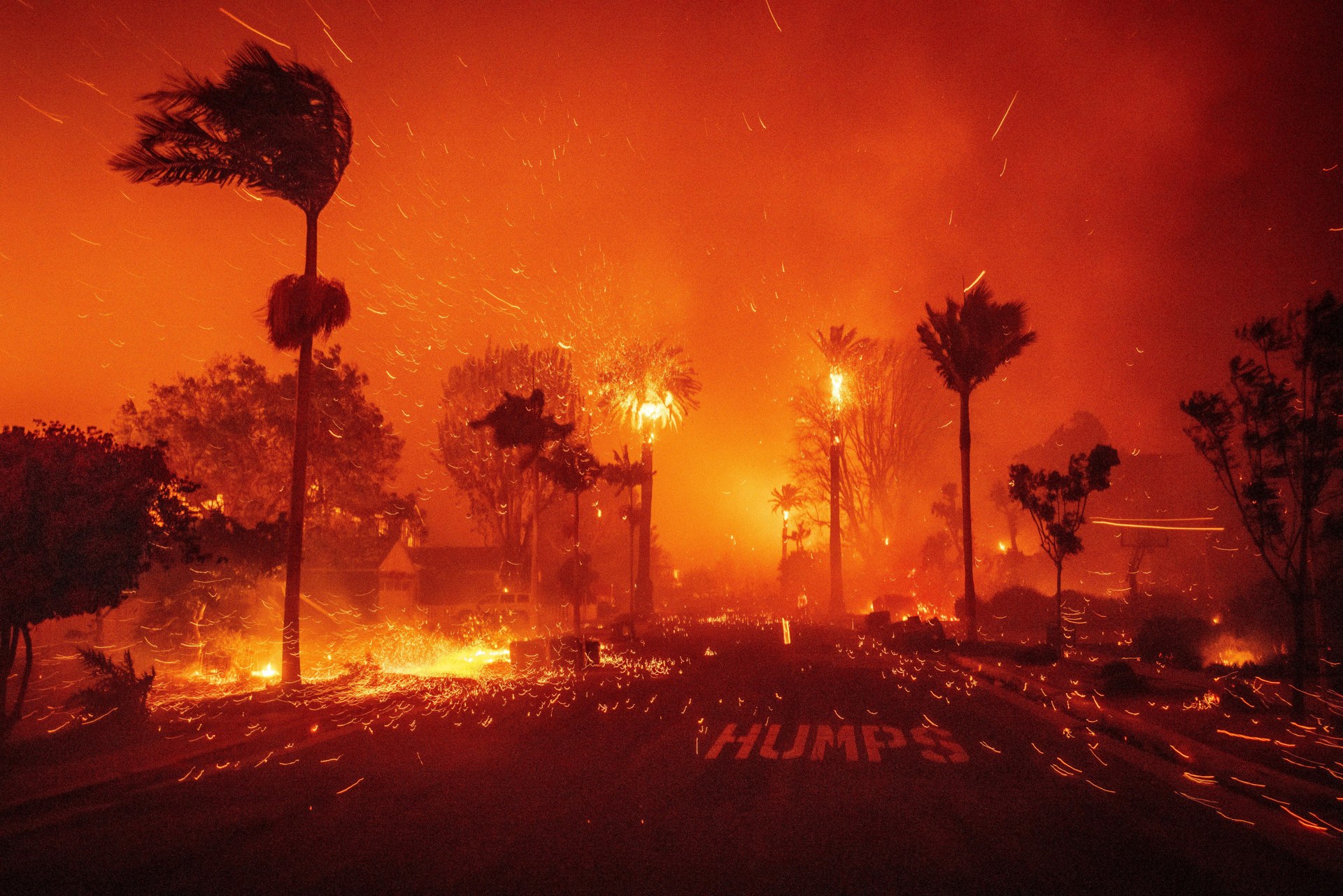
A federal jury in Los Angeles convicted Jonathan Rinderknecht on Friday of starting the Palisades Fire, one of the deadliest wildfires in California history, after his first trial ended in a hung jury five months ago.
Rinderknecht, 30, was found guilty of two federal counts — destruction of property by means of fire, and arson affecting property used in interstate commerce. Each carries a mandatory minimum of five years and a maximum of 20, up to 40 years in total. Sentencing is set for March 17, 2027.
“It took a lot for me to be convinced otherwise.”— Juror No. 3, known only as Cameron
The Details
Prosecutors said Rinderknecht lit a fire with a lighter early on New Year's Day 2025, on a hill above Pacific Palisades. The blaze, known as the Lachman Fire, burned undetected deep in root systems for a week before Santa Ana winds reignited it on January 7.
The fire killed 12 people, destroyed 6,845 structures, scorched 23,448 acres across Pacific Palisades, Topanga and Malibu, and forced 30,000 to flee. It burned for 24 days.
The retrial began November 2 and lasted 14 days. Jurors deliberated for about two and a half days. With little reaction, Rinderknecht hugged his attorneys before leaving the courtroom.
How We Got Here
The first trial, in June, ended in a mistrial after jurors deadlocked 10 to 2 for acquittal, and prosecutors filed a superseding indictment with only the two charges, dropping a third count of timber set afire.
In the retrial, prosecutors showed photographs of his car at the base of a trail leading to where the fire started, and cellphone tower data tracking his movement on the hill. Fire detection cameras fixed the time the blaze ignited, and experts eliminated every other source of ignition that night, including fireworks.
They also showed his state of mind before the fire, through Uber passengers' testimony and texts to his girlfriend. "He was mad at everything, and frustrated," Assistant US Attorney Mark Williams told the court.
After the fire began, Rinderknecht called 911 more than a dozen times walking down the hill, screen-recording the calls. While calling, he asked ChatGPT: "Are you at fault if a fire is lit because of your cigarettes?" Prosecutors said the calls and the question were part of an alibi he was trying to create.
The Juror Who Changed His Mind
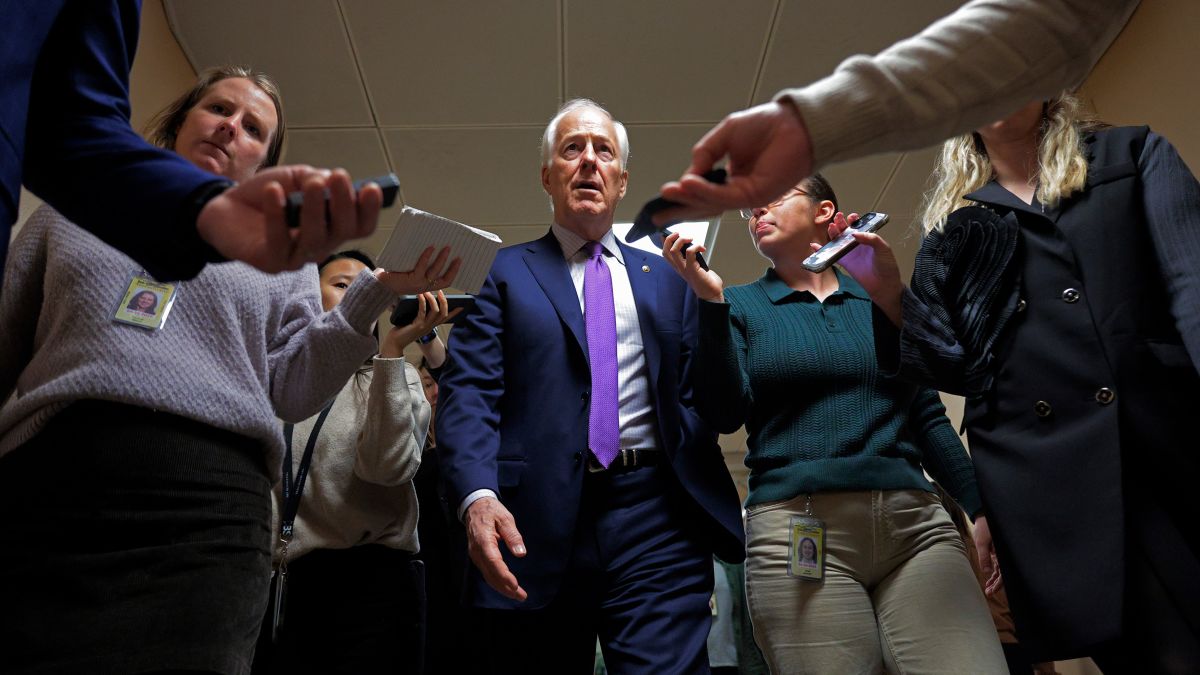
The verdict turned on Rinderknecht's own testimony. Juror No. 3, known only as Cameron, was the only juror who believed him not guilty when deliberations began; one other was undecided, the other ten believed he was guilty.
"It took a lot for me to be convinced otherwise," Cameron said. "After listening to every single point, I do now agree that he's guilty."
Cameron said he had initially worried about a defence expert's claim that the government had the wrong origin area. In the end, Rinderknecht's own testimony pointed to guilt: "Stating that he was up on the hill, didn't smell a fire, didn't see fireworks … no one else was on the hill that night."
The Defense Case
Rinderknecht's attorney, Steve Haney, argued the government could not conclusively prove the fire's origin. He said the scene could have been compromised because the area was publicly accessible until January 7, and called his own experts, including a retired US Forest Service fire investigator.
Haney also argued the government could not prove no one else was at the ignition point that night, and pointed to a neighbour who saw teenagers running from the trailhead. He told jurors to disregard evidence about Rinderknecht's character, such as his angry texts, as "evidence of the man, not evidence of the act."
He offered an alternate explanation: fireworks. Witnesses said they heard a loud bang from the hill — but in thousands of camera images that evening, none showed fireworks in the sky above it, prosecutors said.
Reactions and What Happens Next
Bill Essayli, the top federal prosecutor in Los Angeles, called the verdict a "testament of the hard work" his team put into the case. Haney said the defence was disappointed but respected the jury process, and would review all options on an appeal "at the right time".
For the families of the 12 who died and the thousands whose homes were destroyed, the verdict delivers a measure of accountability nearly two years after the fire. Whether it stands will depend on the appeal Haney is considering — and on the March sentencing, when the judge will decide how much of the 40-year maximum he will serve.


Loading comments…