
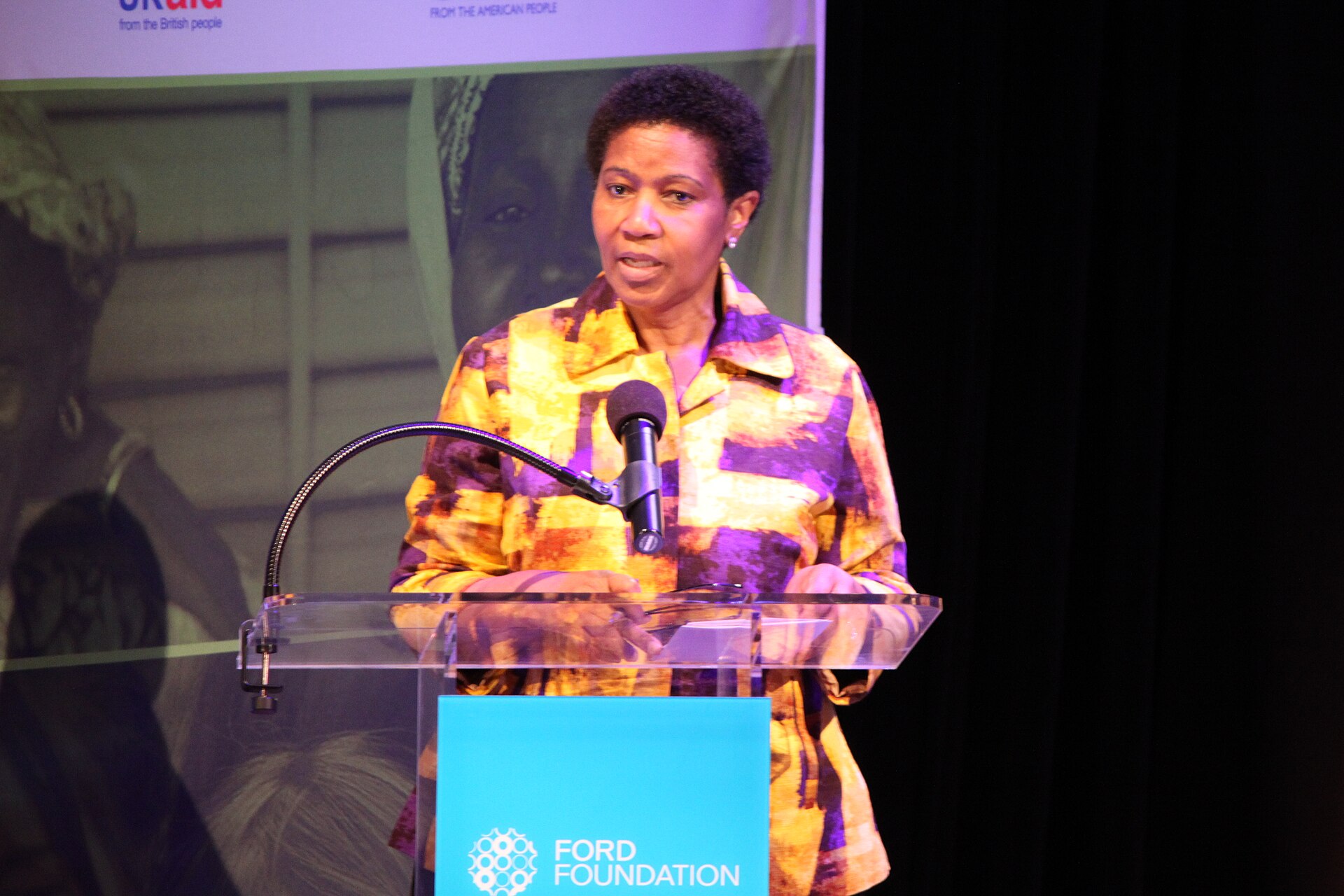
Phumzile Mlambo-Ngcuka, South Africa's first woman deputy president and the former head of UN Women, has died aged 71, the presidency announced on Friday night.
She died on Friday evening, November 20, following complications from a medical procedure she underwent about two weeks ago, the presidency said. Acting President Paul Mashatile received the news with shock and sadness, and President Cyril Ramaphosa has confirmed she will be honoured with a State Funeral Category 2 on Saturday, November 28.
“Her appointment in 2005 as South Africa's first woman Deputy President broke new ground for women in public leadership.”— Parliament of South Africa, in a statement
The Details
Mlambo-Ngcuka made history in 2005 when she became South Africa's first woman deputy president, serving under President Thabo Mbeki until 2008. She was among the first generation of members of parliament in South Africa's democratic parliament, elected in 1994, and went on to serve as deputy minister of trade and industry and as minister of minerals and energy.
In August 2013 she took the oath of office as executive director of UN Women, serving two terms as a United Nations under-secretary-general until August 2021. There she championed the advancement of women's rights and opportunities for women and girls globally, rallying governments and civil society to back their commitments with investment and action.
Since September 2022 she had served as chancellor of the University of Johannesburg. She had previously been chancellor of the Tshwane University of Technology from 2007 to 2015. Her family has announced a prayer service at 2 p.m. on Sunday, November 22, in Morningside, Sandton, and has asked for privacy.
How We Got Here
Mlambo-Ngcuka was born on November 3, 1955, and her career spanned the anti-apartheid struggle, government leadership and international diplomacy. She entered parliament in 1994, in South Africa's first democratic government, and chaired the portfolio committee on public service and administration before moving into the cabinet.
Her appointment as deputy president in 2005 came at a moment of transition in South African politics, and her move to the United Nations eight years later took her advocacy to a global stage. An educator by profession, she founded the Umlambo Foundation to support teachers, and completed a doctorate in 2013 from the University of Warwick on using mobile technologies to support teacher development in resource-poor nations.
Why It Matters
Mlambo-Ngcuka's death closes a chapter of the generation that built South Africa's democracy. As the country's first woman deputy president, she broke ground that others have since followed — parliament noted that her appointment "broke new ground for women in public leadership" — and at the United Nations she carried South Africa's voice into the global fight for gender equality.
Her passing also comes at a moment when the institutions she led are under strain, and her example — a teacher turned minister, deputy president and UN chief — remains a measure of what South African public life can produce. "She truly flew the flag of women; not only women in South Africa and Africa, but women of the world," President Cyril Ramaphosa said in a tribute.
What Happens Next
A prayer service will be held on Sunday afternoon in Sandton, and the State Funeral Category 2 will take place on Saturday, November 28. Details of the memorial services will be announced once arrangements are finalised in consultation with the presidency and the family.

Loading comments…