
Russian missiles struck three bridges across Kyiv's Dnipro River overnight, killing eight people in the biggest attack on the capital's crossings since the war began. Six of the dead were in Kyiv, and two more at a railway station in Lviv.
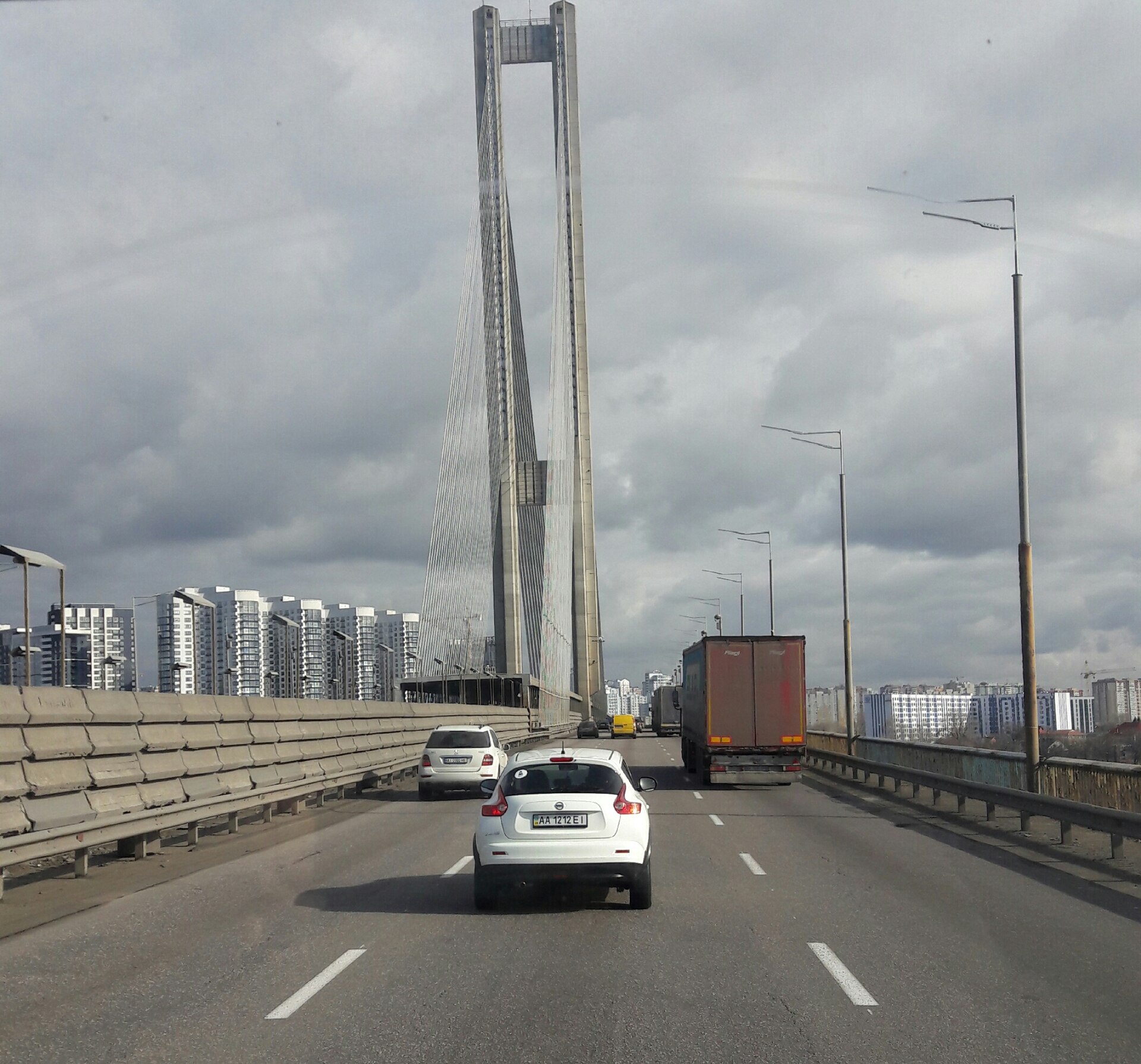
The assault, involving around 100 missiles and more than 400 drones, hit the Podilsko-Voskresenskyi, Darnytskyi and Pivdennyi bridges, the routes that carry the city's three million residents between the two banks. The death toll rose during the day, and 28 people were reported injured across the country.
“We understand what the Russians were targeting.”— Yurii Ihnat, Ukrainian Air Force spokesman
The Details
Mayor Vitali Klitschko said on Telegram that the three bridges had been hit and urged residents to avoid travelling to work by car. The Podilskyi Bridge was closed to traffic from the right bank to the left, and the Southern Bridge was restricted to vehicles of up to ten tonnes travelling from the left bank to the right, with public transport of up to 18 tonnes also allowed. It matters because more than a third of the capital's residents live on the eastern, left bank, while most work on the western, right bank.
The attack also hit the city's lifelines. An attack on a water utility facility killed three employees, and water pressure dropped in four districts. Ukraine's grid operator introduced emergency power outages in the western regions of Lviv, Zakarpattia and Ivano-Frankivsk, and the energy company DTEK said residents of five Kyiv districts were left without power. The state railway said strikes had damaged rail infrastructure in several areas.
Outside the capital, two people were killed and at least seven injured at the Sknyliv railway station in Lviv, the regional military administration said. Five people were hurt in the Dnipropetrovsk region after drones hit apartment buildings, and four others were wounded in Kharkiv after Russian drones hit a hospital.
Ukraine's Air Force said Russia had launched 84 cruise missiles — almost all destroyed — plus ballistic missiles and more than 400 attack drones. "Most of the cruise missiles attacked Ukraine's western regions, with Russian forces targeting energy infrastructure, while the ballistic missiles were aimed mainly at the city of Kyiv, Kyiv region and bridges," said its spokesman, Yurii Ihnat.
How We Got Here
The barrage was revenge, openly announced. On Thursday, President Vladimir Putin vowed that Russia would hit back hard after Ukraine struck the bridge linking Crimea with Russia's Krasnodar region for a third time this week, destroying a span of the road bridge and damaging the parallel railway line. President Volodymyr Zelenskyy has said the bridge was attacked as retaliation for Russia's strikes on Ukrainian infrastructure, including bridges. On Friday morning, Russia's military confirmed a "massive" attack on military-industrial sites and transport infrastructure, including bridges in Kyiv.
It comes at a delicate diplomatic moment. On Thursday, European leaders met in Berlin and warned against any attempt to decide a peace settlement over their heads, after President Donald Trump embraced Putin as a "friend" at a summit with Xi Jinping. Russian and Ukrainian officials met for US-brokered talks in Abu Dhabi last week, but there were no major breakthroughs, with Russia holding about a fifth of Ukrainian land.
Why It Matters
Bridges are Kyiv's weak point. The city is split by the Dnipro, and its six main crossings are the only way most residents get to work, to hospital, or to safety. Hitting three at once strands a third of the city on the far bank and cuts water and power. The Pivdennyi Bridge had already been hit before — in October, a strike disrupted road and metro traffic — and the city has set aside one billion hryvnias for backup water crossings.
It shows the cycle the war is locked in: Ukraine hits the Kerch Bridge, Russia hits Kyiv's bridges, each side calls it retaliation, and civilians pay. Reuters, which reported the strikes, said it could not immediately independently confirm the casualty reports, and noted that both sides deny targeting civilians.
What Happens Next
Engineers will now assess the damage and how long the restrictions last. The death toll may still rise: the morning figure of three killed in Kyiv had doubled to six by mid-morning. Further strikes are likely — most of the cruise missiles were aimed at energy infrastructure in the west, and emergency outages are already in force there. And the diplomacy continues: with Europe insisting on a seat at the table and the US pressing for a deal, the next round of talks will have to reckon with a war that is escalating, not winding down.

Loading comments…