
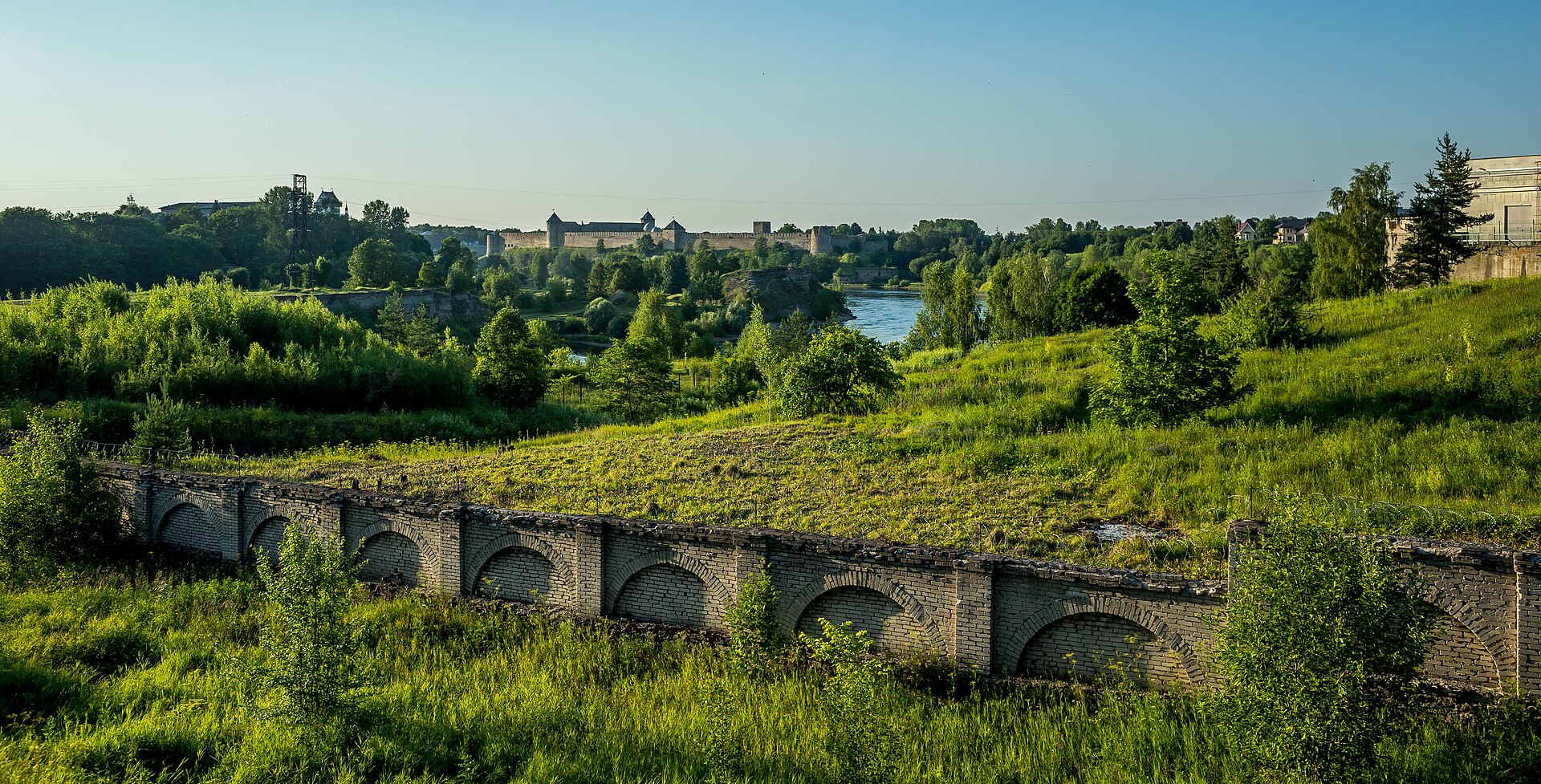
Estonia will close all its road border crossings with Russia from December 1, its government decided on Friday, blaming Moscow for a foiled arson attack on a drone maker that Tallinn says was ordered by Russian military intelligence.
The suspension covers all five road crossing points — Narva-1, Narva-2, Koidula, Luhamaa and Saatse — and after six months the government will review whether the restriction, imposed for reasons of national security and public order, needs to change.
“Russia must understand that hostile actions against Estonia come with consequences.”— Foreign Minister Margus Tsahkna
Moscow responded by summoning the Estonian chargé d'affaires and accusing Tallinn of erecting a new "Iron Curtain."
The Details
Estonia's government took the official decision on Friday, November 20, to suspend crossings at all road border points with Russia from Tuesday, December 1. The closure concerns the crossing of people and vehicles, while rail freight continues under the existing restrictions and strict customs checks.
The decision follows a suspected sabotage attack in the early hours of Saturday, November 14, at facilities in Viimsi, north of Tallinn, belonging to Threod Systems, a company that produces unmanned aircraft. Estonian authorities detained eight people overnight on suspicion of an attempted arson attack. No one was injured.
Estonia's Internal Security Service, known as KAPO, said the attempted attack had been ordered by Russia's military intelligence service, the GRU. Foreign Minister Margus Tsahkna announced the closure on Sunday, November 16, saying that "following clear evidence" that the GRU had ordered the sabotage attack, all Estonian-Russian crossing points would close as of December 1.
"Russia must understand that hostile actions against Estonia come with consequences," Tsahkna said in a post on X.
Prime Minister Kristen Michal said the closure would reduce the threat to people in Estonia and send a clear message. "If Russia continues its hybrid operations in Estonia, and we know that Russian intelligence services exploit border crossings to exert influence over people, we must be prepared to reduce the risks we face," he said in a statement Sunday.
How We Got Here
Russia has long been accused of carrying out sabotage and other hybrid attacks against Europe but has repeatedly denied the claims. Moscow denied the accusation in this case too.
Russian Foreign Ministry spokeswoman Maria Zakharova told state news agency TASS that if Estonia truly shut its border, it would be yet another demonstration of "Russophobia." At a briefing on Friday, she accused Estonia of planning to erect a new "Iron Curtain" and said Russia would respond.
"Should Tallinn proceed with these plans, our country will take the necessary political and diplomatic measures in response to safeguard its national interests," Zakharova said. In a written comment after the decision, she called the step "clearly confrontational," said it was taken "hastily" without consultations with Moscow and harmed the rights of many ethnic Russians, and warned that attempts to build a "cordon sanitaire" around Russia "will cost their instigators dearly."
Kremlin spokesman Dmitry Peskov said Estonia was building a wall. "History shows that many countries built walls, and those walls never brought anything good to those who built them," he said, calling the accusations "completely unfounded."
Why It Matters
The closure would shut some of the last overland routes between Russia and the European Union. Estonia, a staunch supporter of Ukraine, is the first EU state to respond to an alleged Russian sabotage operation by closing its entire land border with Russia — and Kyiv has already held it up as an example.
"Estonia has shown that Russian sabotage can and should have consequences beyond diplomatic condemnation," Ukrainian Foreign Minister Andrii Sybiha said in a post on X. "This approach deserves wider support across Europe."
Tsahkna said the closure would reduce Russia's ability to conduct hostile activities in Estonia and help prevent the circumvention of sanctions. Estonia notified the authorities of Finland, Latvia and Lithuania of the decision.
What Happens Next
The closure takes effect in two weeks, which leaves time for the decision to be adjusted, for Russia to respond in kind and for Estonia's allies to state their positions. After six months, Tallinn will decide whether to extend the suspension or lift it.
For now, the border is still open — but the message from Tallinn is that hostile actions, in its view, now carry a price beyond words.

Loading comments…