
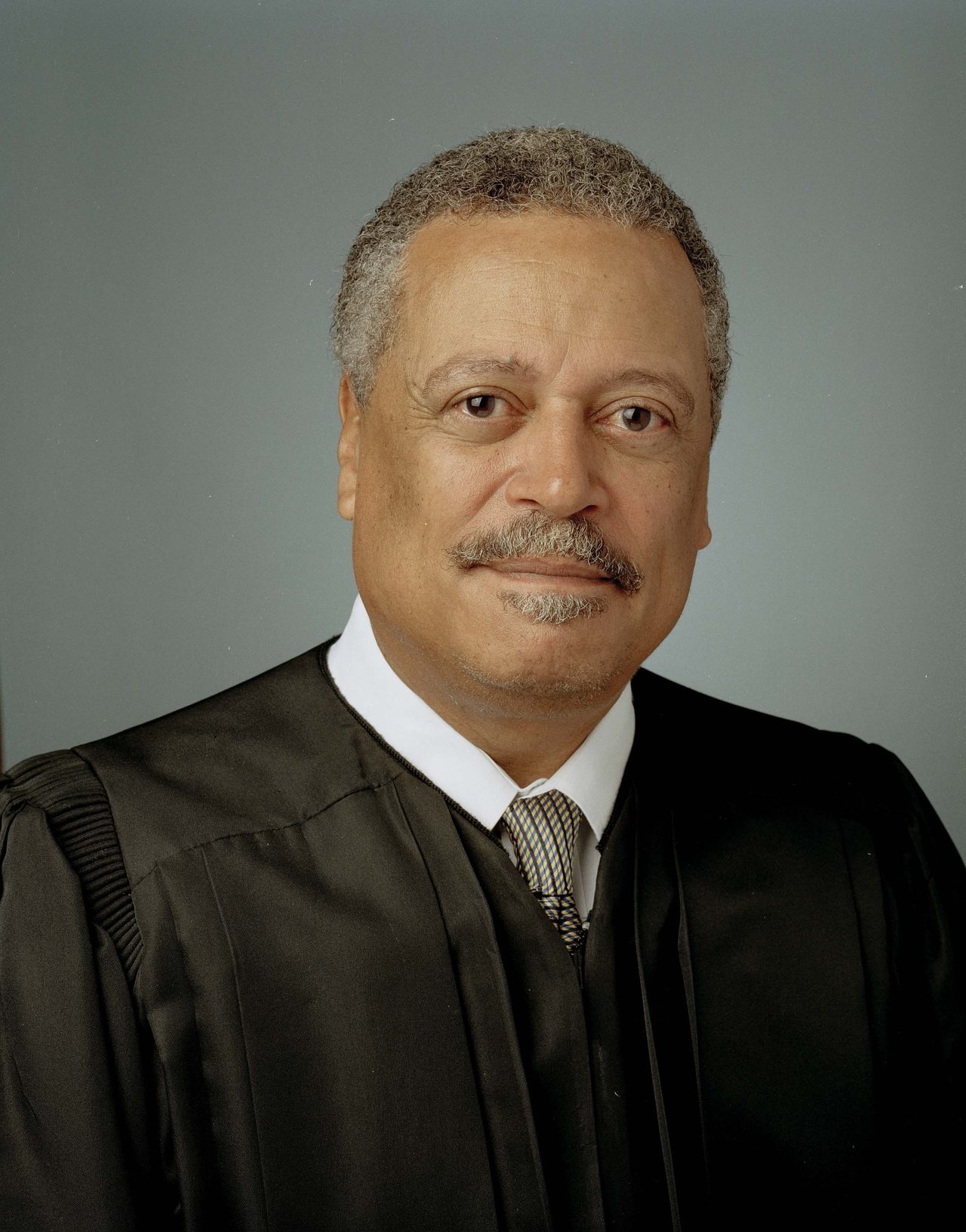
WASHINGTON — The most consequential deadline in the year-long fight over the Jeffrey Epstein files arrives today, and it belongs to a single federal judge. On Nov. 9, U.S. District Judge Emmet G. Sullivan ordered the Justice Department to publish three sets of handwritten FBI interview notes in its online Epstein Library by Monday, Nov. 23 — fourteen days, no more. As of Monday evening, the department had not published them, and it had not asked an appeals court to stop the order.
The notes sit underneath three typed FBI interview reports, known as FD-302s, from 2019. They record interviews with a woman who told agents that Epstein, President Donald Trump and others sexually and physically abused her when she was a minor. The allegations have never been proven in court. Trump has consistently denied any wrongdoing connected to Epstein, and the White House has called the allegations unproven. The order concerns the records, not the claims.
“The court will not stay its order but rather will establish a deadline that gives [the department] adequate time — fourteen days — to appeal and request a stay.”— Judge Emmet G. Sullivan, order of Nov. 9, 2026
How We Got Here
The case is Phang v. Blanche, a lawsuit by journalist Katie Phang against Attorney General Todd Blanche — who was Trump's personal criminal defense lawyer before becoming attorney general — over the department's compliance with the Epstein Files Transparency Act, the law Congress passed in November 2025 requiring the department to open its Epstein files. Phang sued in April 2026 after the department set aside foreign-language records without reviewing them. In an earlier opinion in the case, the judge wrote that the attorney general had conceded a violation of the transparency law.
The handwritten notes became the sharpest flashpoint. The department released the typed FD-302 reports but argued the agents' handwritten notes underneath them were essentially duplicates, and therefore unnecessary for the public library. Sullivan rejected that argument after ordering the notes brought to his chambers on Oct. 16 and reading them himself — after noting the department had already published nearly 100 such notes elsewhere.
His Nov. 9 order was blunt about the clock. The department would get fourteen days — time, he wrote, to appeal and to ask the D.C. Circuit for a stay — and then it had to publish, with redactions to protect the woman's identity, and notify the court within 24 hours. The order added its own escape hatch: if the department moved for a stay and expedited review before the deadline, the order would be "TEMPORARILY STAYED" while the appeals court decided.
The department filed a notice of appeal on Nov. 17. A notice of appeal, on its own, does not trigger the stay. As of Monday evening, Scripps News reported, the department had not asked for one. The department says it has complied with the Transparency Act and released the responsive documents, and that Blanche has answered Congress's questions at length.
Why It Matters
The fight is about more than three sets of notes. The D.C. Circuit has already refused the department one stay in the case — on Oct. 28, it declined to pause the foreign-language review — and on Nov. 20 a panel set an expedited briefing schedule for the consolidated appeals, with the department's brief due Dec. 4 and arguments expected in March 2027.
The politics are unavoidable. The notes concern allegations against the sitting president, made by a woman whose identity the order requires the department to protect. Democrats in Congress, led by Rep. Ro Khanna, say the department is slow-walking the release and are pushing a second bill that would let survivors, prosecutors and members of Congress sue over withheld records. A discharge petition to force a House vote on that bill reached 218 signatures on Nov. 11.
There is also a second deadline today, in a different courtroom. In New York, survivors of Epstein's abuse must decide by Monday whether to join, opt out of, or object to a settlement in a lawsuit against Epstein's longtime lawyer, Darren Indyke, and his accountant, Richard Kahn, accused of helping Epstein conceal the trafficking. The men have not admitted liability, and the money — up to $25 million if fewer than 40 survivors join, $35 million if more do — would come from Epstein's estate. A hearing is set for Dec. 2.
What Happens Next
Three outcomes are possible by the end of the day. The department could publish the notes in the Epstein Library and file its notice of compliance. It could ask the D.C. Circuit for a stay and expedited review before the deadline expires, which would freeze the order. Or it could do neither — and face a judge who has already warned that a contempt finding, while premature for now, is on the table.
The last of those would be the most consequential. Sullivan is the judge who held Justice Department prosecutors in contempt in the Ted Stevens case in 2009. For now, the question is the narrow one the order posed two weeks ago: publish the notes, or persuade a higher court to stop it. The answer is due today.
© 2026 Capitol Wire Daily. All rights reserved. Capitol Wire Daily reports facts from official statements and verified reporting; developing stories are labeled as such.


Loading comments…