
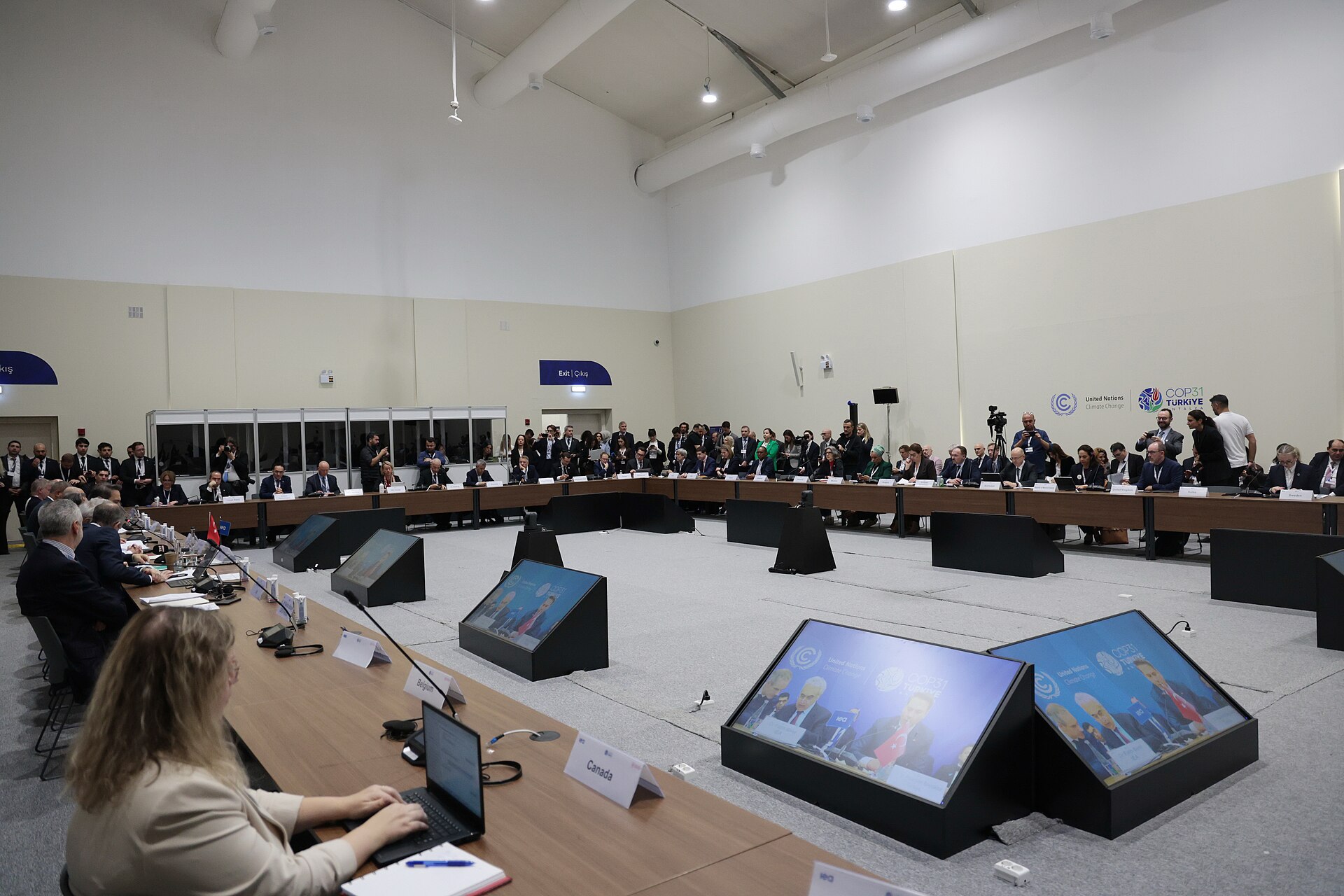
The COP31 climate conference has slipped into overtime. Negotiators from nearly 200 countries are still in Antalya, Turkey, on Friday, struggling to bridge divisions over fossil fuels and climate finance — and the draft deal on the table no longer mentions fossil fuels at all.
The summit was scheduled to end on Friday. Instead, talks ran through the night from Thursday into Friday, and negotiators now expect them to spill into Saturday. Environmental groups say it is on track to be the "worst COP ever."
“It is not acceptable to have a COP or a cover document that does not even mention fossil fuels, and we simply will not put up with it.”— Juan Carlos Navarro, Panama's Environment Minister
The fight is over two things: whether the final deal should mention fossil fuels, the primary driver of global warming, and whether it should promise money to help poorer countries adapt. On both, it has moved backwards.
The Details
Thursday's slimmed-down draft, released by co-host Australia, stripped out all references to ending the use of fossil fuels, after objections from Saudi Arabia and other major oil and gas producers. Monday's draft had two such references — both gone.
The draft also dropped a $120 billion target for finance to help developing countries adapt to climate change. It reaffirmed a goal of tripling adaptation funding by 2035 but left the details for further discussion.
The draft would be the first COP cover decision to explicitly acknowledge that warming is projected to exceed the Paris Agreement's 1.5 degrees Celsius threshold. The draft encourages technologies that remove greenhouse gases from the atmosphere, but several delegations criticised carbon removal as expensive and unproven at scale, saying it opens the door to continued oil and gas development. "It allows developed countries to continue producing oil and gas with a claim that CCUS will fix it, while we will have a bigger role to triple renewables, which is not balanced at all," said Bob Natifu, Uganda's commissioner of climate change and carbon markets.
How We Got Here
The summit opened with a draft that called for accelerating the phase-out of fossil fuels.
That afternoon, the new draft dropped the fossil fuel language. Australia's Chris Bowen, who leads the negotiations, said COP31 would be the first climate summit to acknowledge that the world would fail to hold warming to 1.5 degrees — but insisted it would not be remembered for that. "We are determined that COP31 is not remembered for that," he said, "but is remembered as a COP which decides clearly and strongly that that is not acceptable." He pledged consultations through the night: "We won't be leaving the rooms of Antalya until we have that consensus."
The United States — the world's largest historical greenhouse gas emitter — is absent for the second year in a row, after President Donald Trump ended cooperation on the climate, calling global warming a hoax.
Why It Matters
The missing words matter because the cover decision is the summit's political framing document, finalized last and requiring consensus from every party. A climate conference that cannot name fossil fuels cannot credibly claim to be addressing the cause of warming.
Developing countries sought a firm $120 billion annual adaptation target as a legally binding obligation. Its removal leaves the tripling pledge without numbers — and the electrification push does not specify that the new electricity must come from renewables, leaving the door open for fossil fuel power plants to count.
The verdict from those watching is blunt. Mohamed Adow, director of the climate think tank Power Shift Africa, said: "The COP presidents want to tell us this has been a great COP. Well, I can tell you without any doubt that this has been the worst COP ever."
The other side has not given up. Bowen told reporters he remained hopeful of a deal everyone could get behind. "Things worth doing, in my experience, don't come easy," he said. "No one has said to me 'Let's give up and go home'."
What Happens Next
A new version was expected later on Friday, but hopes of major changes were not high. Negotiators expect talks to run into Saturday — climate summits have regularly blown past their deadlines by more than 24 hours in recent years.
Watch whether fossil fuel language returns in the final text — and whether the $120 billion figure reappears. If neither does, COP31 will be remembered as the summit that stopped naming the problem.

Loading comments…