

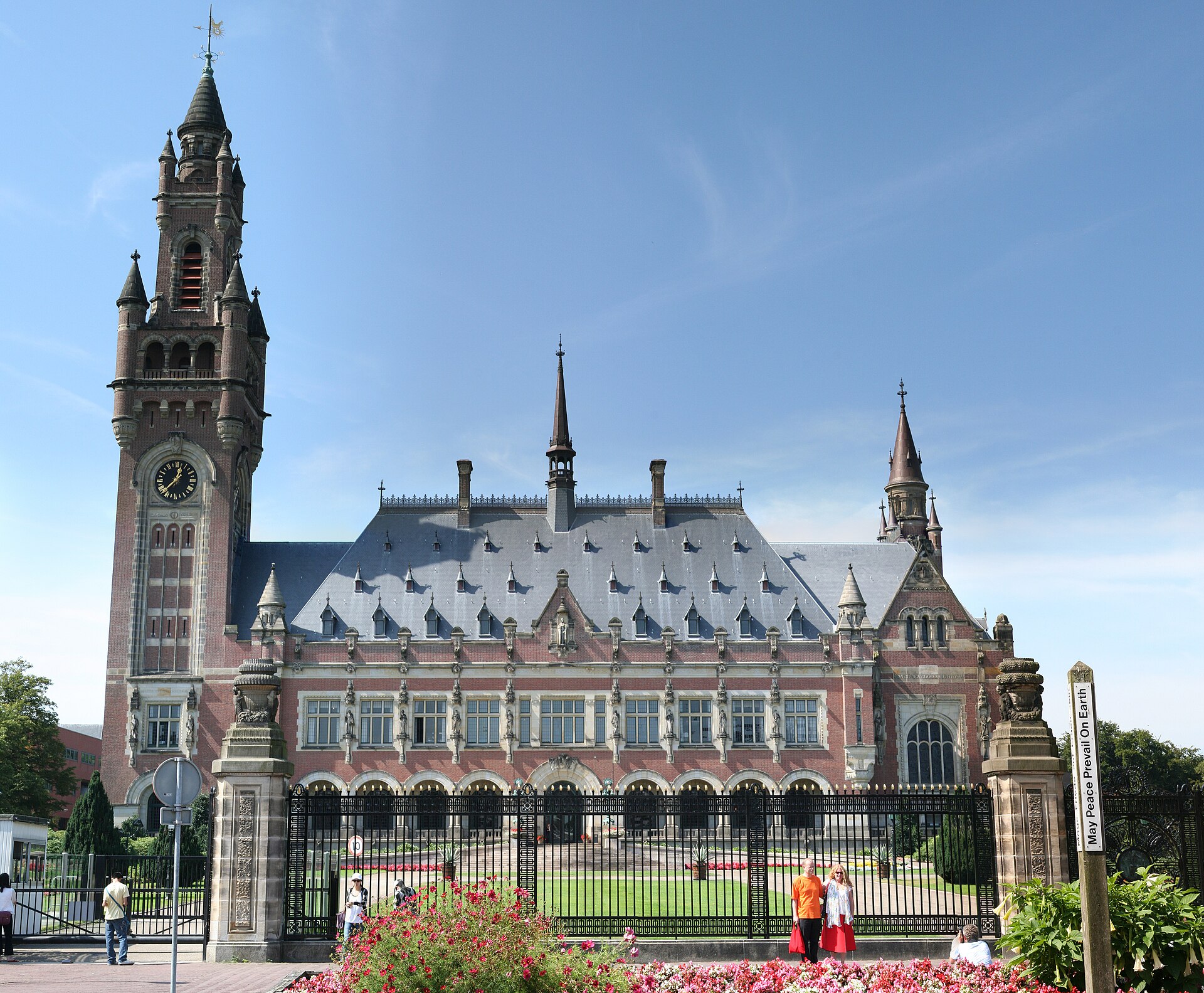
Britain has ordered Myanmar's defence attaché out of the country, hours after the International Court of Justice found Myanmar responsible for genocide against the Rohingya — the first concrete action by any government in response to the historic ruling.
Foreign Secretary Ed Miliband announced the expulsion on Thursday evening. Britain is also calling urgently for an emergency session of the UN Security Council to discuss the judgment, and has summoned Myanmar's chargé d'affaires in London. Further action will follow in the coming days, Miliband said.
“We are taking immediate action today in light of this judgment.”— Ed Miliband, Foreign Secretary
The Details
"We are taking immediate action today in light of this judgment," Miliband said. "Building on existing sanctions against the Myanmar regime, we are ordering the expulsion of the Myanmar Defence Attaché from the UK and calling urgently for a UN Security Council session to discuss the judgment."
Miliband said Britain reaffirms its full support for the court and condemns "the horrific treatment of the Rohingya people by the Myanmar military regime." He added: "We must ensure the Court's ruling sends a clear message that such crimes cannot be committed with impunity."
The statement did not name the attaché or give a deadline for his departure. Burma Campaign UK identified him as Captain Soe Aung, a serving member of the Myanmar military living in two houses in Wimbledon, south London. The group had called for his expulsion hours earlier on Thursday.
How We Got Here
The court ruled on Thursday that Myanmar committed genocide against the Rohingya — the first time in its history it has held a state responsible for the crime. Judge Yuji Iwasawa said the only reasonable conclusion was that Myanmar's forces acted with genocidal intent. Around 10,000 Rohingya were killed in the 2017 crackdown and more than 730,000 driven into Bangladesh.
The Gambia filed the case in November 2019, backed by the 57-nation Organisation of Islamic Cooperation. Britain was one of eleven states that intervened in support of The Gambia.
The attaché's presence in London has long been contentious. In April 2021, weeks after the military seized power, Soe Aung led the takeover of the Myanmar embassy in London, locking out the ambassador, Kyaw Zwar Minn, who had condemned the coup. The ambassador spent a night in his car. Britain condemned the move but accepted the change, and the attaché has remained in London ever since.
Reactions
Burma Campaign UK, which had demanded the expulsion on Thursday morning, also called on Britain to table a UN Security Council resolution enforcing the judgment, impose new sanctions to cut off money and arms to the regime, and push Interpol to issue red notices for Min Aung Hlaing and other military leaders facing Argentine arrest warrants.
Rushanara Ali and Jeremy Hunt, the British lawmakers who co-chair the parliamentary group on Burma, said the government "must resume regular rounds of sanctions against the Myanmar military and, as penholder on Myanmar at the UN Security Council, bring a resolution to the Council compelling enforcement action."
Myanmar has issued no official response to the verdict — the regime rejected the ruling even before it was delivered, according to Burma Campaign UK — and none yet to Britain's expulsion order either.
Why It Matters
The expulsion matters because it is the first time a government has acted, rather than merely welcomed, the court's ruling. The judgment is binding, but the court has no police force — enforcement depends on states. Britain, as the Security Council's penholder on Myanmar, is best placed to turn the ruling into action.
It is also a direct rebuke to the man who now runs Myanmar. Min Aung Hlaing, who oversaw the 2017 campaign, is now the country's president after engineered elections. The International Criminal Court's prosecutor sought a warrant for him in 2024; an Argentine court issued warrants for him and dozens of others in 2025.
What Happens Next
Watch for the Security Council session Britain has requested — no date has been set yet — and for the "further action" Miliband promised in the coming days. Watch whether other governments follow Britain's lead with expulsions or sanctions. And watch Myanmar's response: the judgment requires full compliance, including reparations for survivors, but the regime has given no sign it intends to comply.
For the roughly 1.2 million Rohingya refugees in Bangladesh — and the roughly 520,000 who remain in Myanmar under severe restrictions — the ruling changes nothing on the ground by itself. Whether it leads to return, citizenship or safety depends on governments acting on it. Britain has made the first move.

Loading comments…