
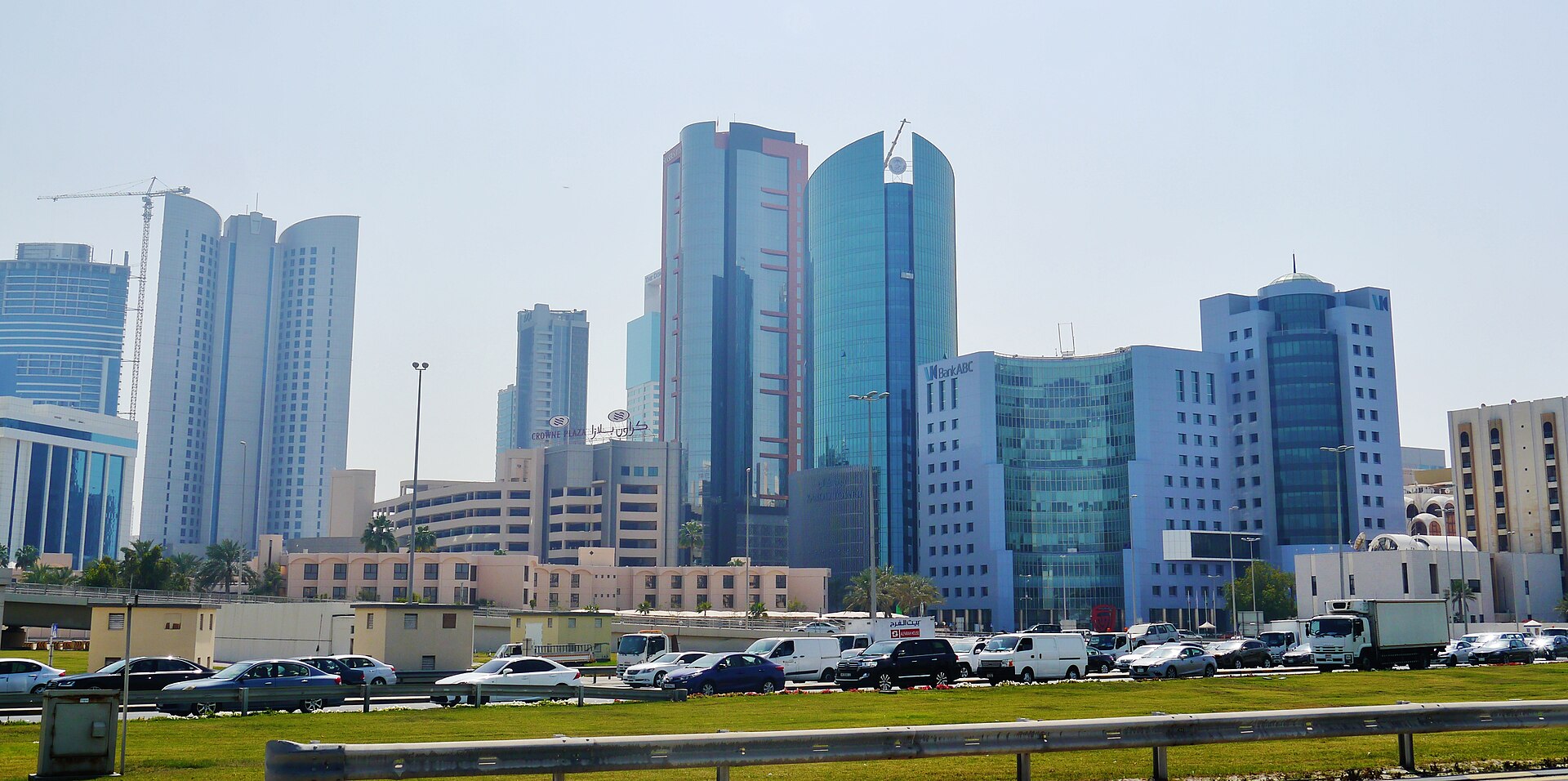
Bahrain says an Iranian attack struck a civilian industrial facility on Saturday, starting a fire, in the latest escalation of the war in the Middle East.
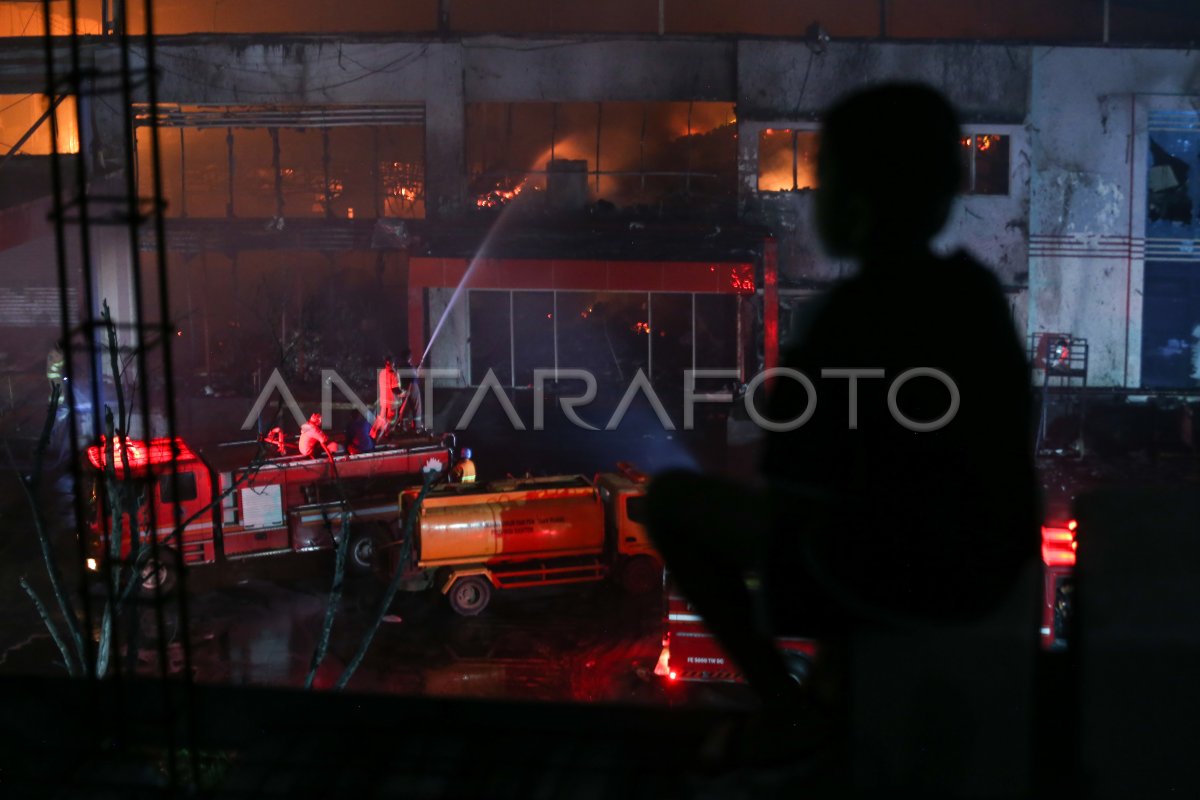
The Gulf kingdom's Interior Ministry said the attack caused material damage but no casualties, and that Civil Defence teams were working to bring the fire under control. It did not name the facility or say where it was.
“As a result of the heinous Iranian aggression, a civilian industrial facility was targeted, causing a fire at the site.”— Bahrain's Interior Ministry, in a post on X
The Details
"As a result of the heinous Iranian aggression, a civilian industrial facility was targeted, causing a fire at the site. Civil Defence is working to bring the fire under control," the Interior Ministry said in a post on X. "Preliminary reports indicate material damage, with no injuries reported."
Earlier on Saturday, air-raid sirens sounded in Bahrain, and the ministry urged residents to move to the nearest safe place without saying what the threat was. Later, Bahrain's Defence Force said its air defences had intercepted a number of Iranian aerial attacks. Shrapnel from the interceptions caused material damage but no casualties, it said, adding that Tehran was continuing its "systematic hostile approach" towards the kingdom.
Residents reported smoke rising above Sitra Island, an industrial area on Bahrain's east coast that is home to a refinery run by the state oil company Bapco. The ministry has not said whether that site was the one hit, and the smoke sightings do not establish which facility was struck.
Iran's Islamic Revolutionary Guard Corps said it had carried out a combined missile and drone operation targeting United States military positions at the al-Riffa and Awali bases in Bahrain. The IRGC claimed it destroyed two US Patriot air defence radars at the bases. The claim has not been independently verified, and US Central Command has not commented.
Iranian accounts of the targets do not agree with each other. The semi-official Fars news agency reported that the IRGC had attacked two military bases used by US forces at Sheikh Isa and Juffair, while the state news agency IRNA named al-Riffa and Awali. IRNA also reported that an interceptor missile launched from the US Fifth Fleet base in Bahrain had crashed on Sitra Island and started a large fire, citing an outlet called Bahrain News. None of those claims has been confirmed.
How We Got Here
Bahrain hosts the US Navy's Fifth Fleet, and it has been attacked repeatedly since the war began, including three drone attacks in recent days after a lull of several weeks. Gulf Arab states have come under repeated fire from Tehran since the United States and Israel attacked Iran on February 28.
Saturday's attack was the third on Bahrain this week, and it came on the same day that two tankers were hit in the Strait of Hormuz. The IRGC said its operation was a response to two US MQ-1 and MQ-9 reconnaissance and combat drones violating Iranian airspace.
Iran has separately claimed that it damaged a US F-16 fighter jet with an air-defence missile and shot down a US MQ-1 drone over Siri Island. The United States has not responded to those claims, and they remain unverified.
Why It Matters
The strike shows the war is widening beyond Iran and Israel to the Gulf states that host American forces. Bahrain is a small island kingdom, but its Fifth Fleet base makes it one of the most strategically important US positions in the region — and a repeated target. Three attacks in one week, after weeks of quiet, suggest the lull is over.
It also shows how hard it is to establish what actually happened in a night of missiles and interceptions. Bahrain says a civilian facility burned and no one was hurt. Iran says it hit American bases and destroyed Patriot radars. The two accounts cannot both be right in full, and until US Central Command speaks, the Iranian claims remain claims — not facts.
What Happens Next
Bahrain's Civil Defence will work to extinguish the fire and assess the damage, and the kingdom's air defences remain on alert for further attacks. The United States has not yet commented on the IRGC's claims about its bases or its Patriot systems, and any response from Washington will shape what happens next. If the pattern of this week holds, more attacks on Gulf targets are likely — and with them, the risk that a strike meant for a military base hits a civilian site instead.

Loading comments…