
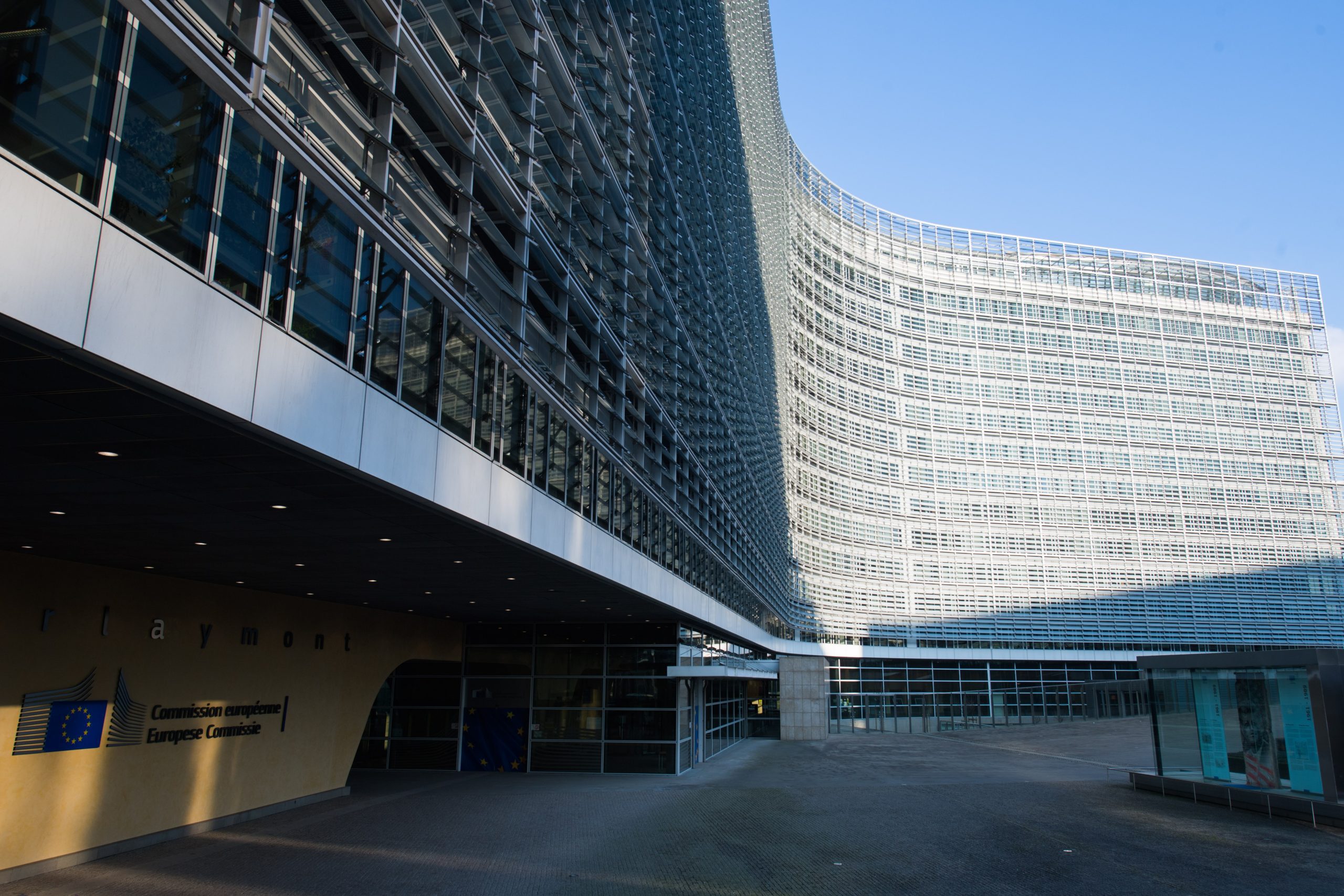
The European Commission confirmed on Thursday that it was hit by an AI-driven cyberattack that knocked its staff systems offline for more than ten days — and it still cannot say whether the personal data of its employees was stolen. "This was an AI-generated cybercampaign," spokesperson Thomas Regnier told a press briefing in Brussels.
The intrusion was detected on October 22 and confirmed as a cyberattack on October 26, Regnier said. As a precaution, the Commission took several applications offline; most have since been restored. The investigation is ongoing, the perpetrators are unknown, Regnier said he was "not aware" of any ransom demand, and the European Data Protection Supervisor has been notified.
“This was an AI-generated cybercampaign.”— Thomas Regnier, European Commission spokesperson
The Details
The systems taken down were the ones staff use every day: Sysper, the human resources platform for payslips, working hours and leave; MyPMO, for medical expense reimbursements. Translation services were disrupted on November 17, and Sysper briefly went offline again on November 18 — it is unclear whether that was renewed malicious activity or a recovery problem.
Salaries generally arrived as scheduled, POLITICO found, even as some staff could not submit timesheets or leave requests. The disruption prompted an emergency meeting of the Corporate Management Board, the Commission's highest-level crisis body, and technology commissioner Henna Virkkunen briefed the College of Commissioners on November 18. The Commission said the attack targeted "individual systems" and that it is preventively checking others with CERT-EU, the EU institutions' cybersecurity service.
How We Got Here
POLITICO reported that the attack used ARTEX, a publicly available AI-powered penetration-testing framework — an offensive command-and-control platform, written in Go, that coordinates AI agents and plugs into large language models. CERT-EU warned on November 5 that threat actors worldwide were using it to automate campaigns. The original repository went offline in October, but forks remain public.
An FBI advisory on November 13 said ARTEX-assisted campaigns have run since at least August 2026, some reaching privileged access in under three hours. That speed is the point: AI compresses the time defenders have to spot and stop an intrusion.
But ARTEX's precise role in the Commission incident has not been publicly established — neither the vulnerabilities exploited nor how automated the operation was. POLITICO described ARTEX as a Chinese tool: that is the tool's origin, not an identification of the attackers. No group has been named.
The data question
POLITICO reported that the attack may have exposed substantial amounts of staff personal data. That is a report, not a confirmed fact. The Commission's position is that its investigation has found no evidence of a staff data breach so far — but investigators are still determining whether employee information was accessed or extracted. So the picture is split: the attack and the disruption are confirmed. The exposure of staff data is not.
Why It Matters
The Commission writes Europe's AI rules — and was hit by the very tools it regulates. The practical point: AI-assisted attack tools are publicly available and change the economics of intrusion. "Until organizations deploy AI defensively as fast as criminals deploy it aggressively, we will continue on this trajectory," warned Chris Dimitriadis of the cybersecurity association ISACA, saying AI lets attackers hack "at the speed of intent".
The systems hit hold some of the most sensitive data an employer keeps: payslips, leave records and medical claims. Even without confirmed theft, more than ten days without them disrupts the institution — and if the data was taken, the consequences reach the privacy of thousands of employees.
The Commission is not alone. Reuters noted a year of attacks: refrigeration in hundreds of French supermarkets in October, ships bound for the US in August, US water treatment plants in July, the Los Angeles transit system in March. The EU's executive arm now joins a long list of institutions learning the same lesson.
What Happens Next
The investigation continues, and the Commission is preventively checking its other systems. Watch for a formal finding on whether staff data was accessed or exfiltrated — and for attribution: no group has been named, and whether the campaign is later linked to a specific actor will matter for the EU's response.
Watch whether other EU institutions report ARTEX-linked activity — CERT-EU said it had observed similar AI-driven activity against organisations in its constituency. And the Commission will face questions about its own defences, and about the gap between the AI rules it writes for others and the AI threats it faces itself.



Loading comments…