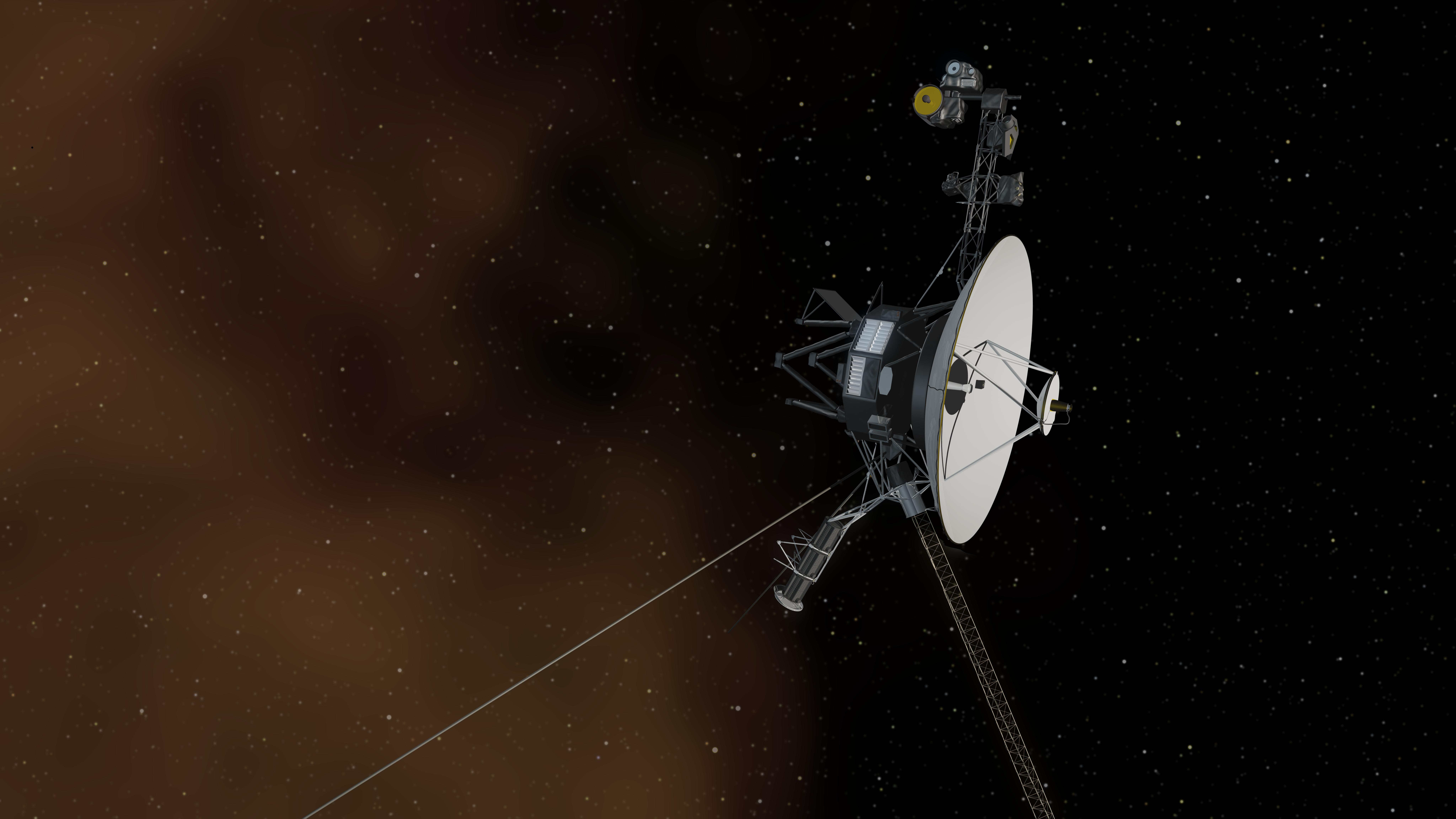
PASADENA, Calif. — At 10:16 a.m. UTC on Wednesday, a spacecraft launched when Jimmy Carter was president crossed a line no human-made object has ever reached.
NASA's Voyager 1 is now one light-day from Earth — about 16.1 billion miles, or 25.9 billion kilometers, away. A radio signal traveling at the speed of light now takes a full 24 hours to reach it. A reply takes another 24 hours to come home.
“Voyager 1 will be the first human-made object to reach this distance from Earth, adding to a long list of historic firsts for the mission.”— Dr. Linda Spilker, Voyager Project Scientist
It took the spacecraft 49 years, 2 months and 11 days to travel that far, speeding through space at about 38,000 miles per hour. Voyager 1 has been the farthest human-made object from Earth since February 1998, and the only spacecraft operating in interstellar space after crossing the heliopause in 2012.
A distance, not a boundary
One light-day is a measure of distance, not a physical border. Voyager 1 crossed no new plasma boundary on Wednesday — but the milestone still marks how far humanity's reach now extends. NASA invited the public to mark the moment by shining lights into the night sky after sunset on Tuesday.
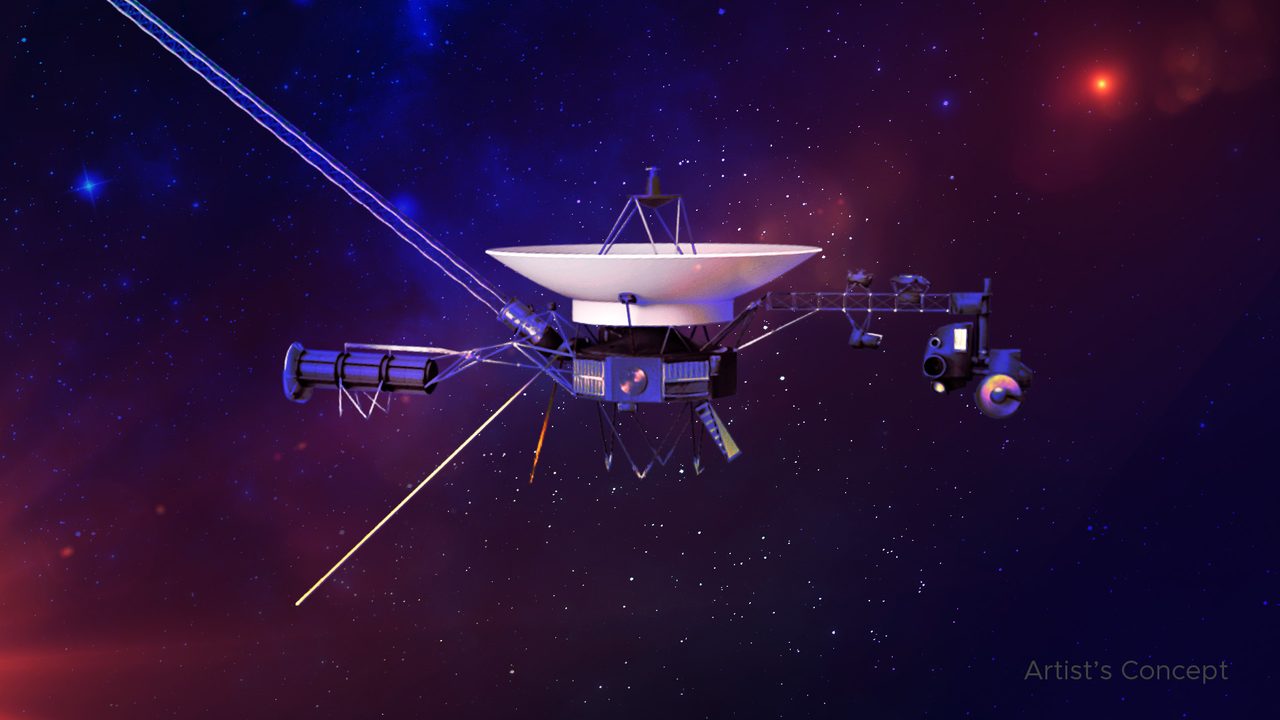
The spacecraft's original mission was simply to fly past Jupiter and Saturn, goals it completed in 1979. Nearly half a century later, it is still sending data from beyond the solar system, carried on a signal so faint that NASA's giant antennas must listen for it across a full day of travel.
Voyager 1 and its twin, Voyager 2, both carry a gold-plated copper disc known as the Golden Record, with sounds and images of Earth.
What Happens Next
NASA will host a discussion with Voyager mission scientists at its Jet Propulsion Laboratory on Thursday, Nov. 19, on the status of both spacecraft. Voyager 1 is expected to keep communicating into the early 2030s, before its power supply finally runs too low. Its twin, Voyager 2, is 13.4 billion miles away and will not reach one light-day until November 2035.


Loading comments…