
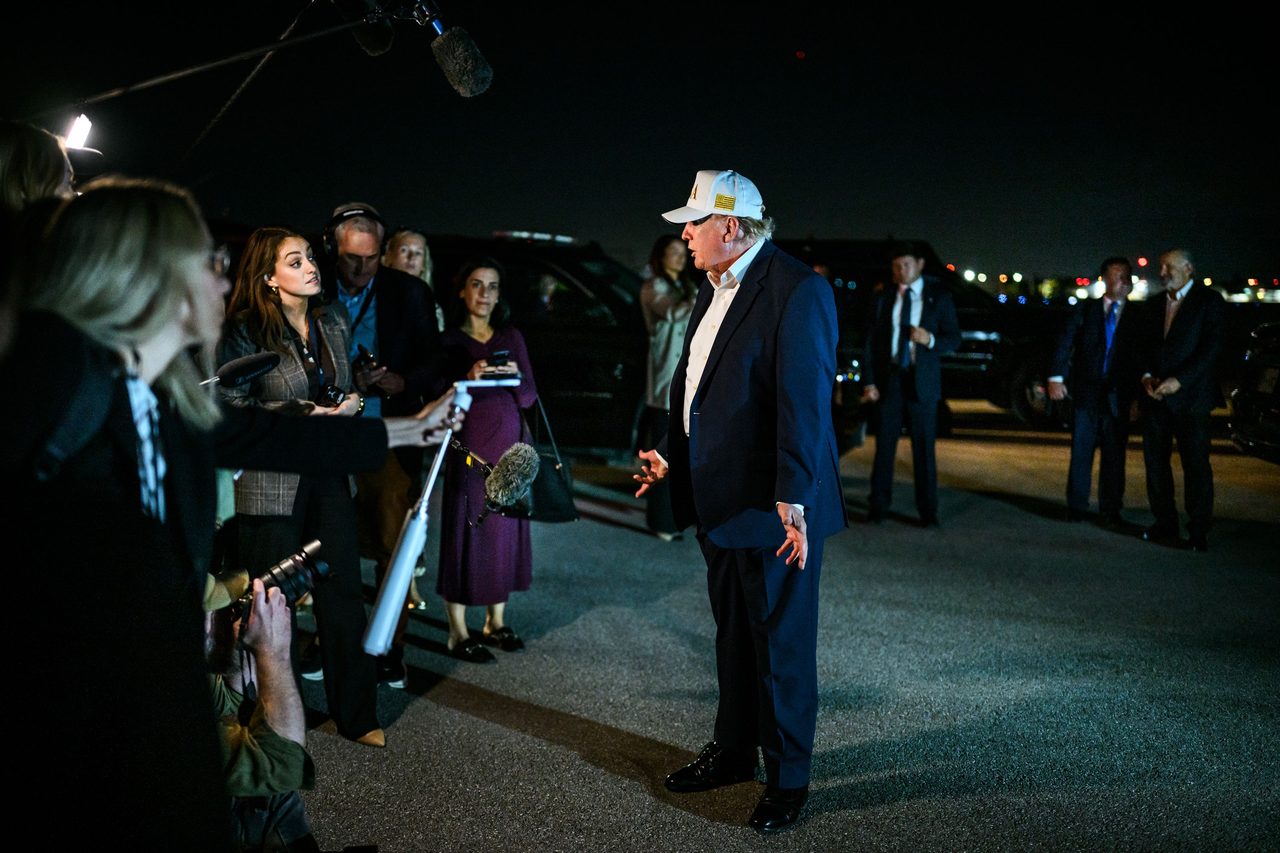
Hours after shaking hands with Vladimir Putin and Xi Jinping in Shenzhen, President Donald Trump picked up the phone from Air Force One and dialed into a meeting of Ukraine's European allies in Berlin — and told them the Russian leader is serious about making peace.
According to four European officials briefed on the call, Trump questioned the €70 billion in new military aid Europe plans to send Ukraine, arguing the money could be saved if the war ended. Two participants described his remarks as a tirade. A third said he was simply pointing out what everyone could save if the fighting stopped.
The White House pushed back on that account. A spokesperson said Trump “emphasized that the war is extremely costly in terms of human life and financing, and everyone should all be striving for peace because it will save lives and money.” A U.S. official said it was “not accurate” to say Trump ordered an end to funding.
Trump later told Reuters he had shared his view with the Europeans that Putin wanted to reach a deal. He denied complaining about European spending, saying Europe could spend the money on its own countries once an agreement was reached.
The call came through Jared Kushner, the president's son-in-law and envoy, who was in the room in Berlin with Steve Witkoff. Finnish President Alexander Stubb confirmed the call took place and said Trump urged European leaders to speak directly with Putin — and rejected the claim that Trump had urged Europe to stop supporting Ukraine.
How We Got Here
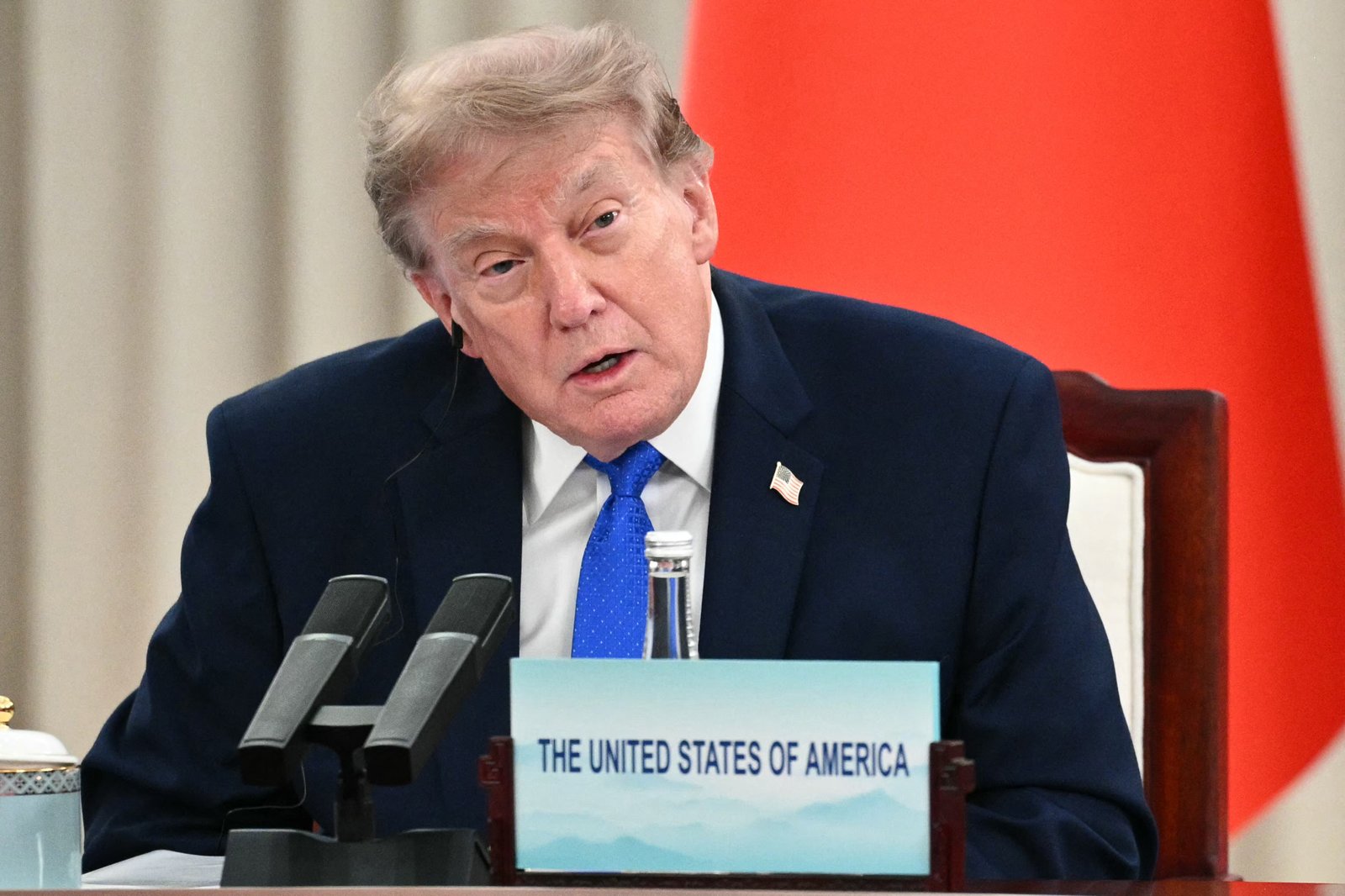
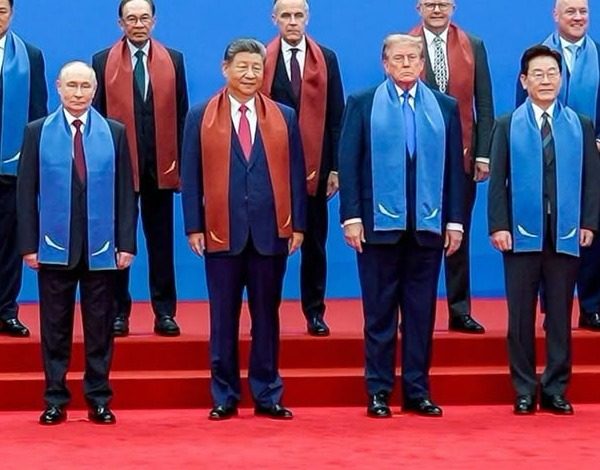
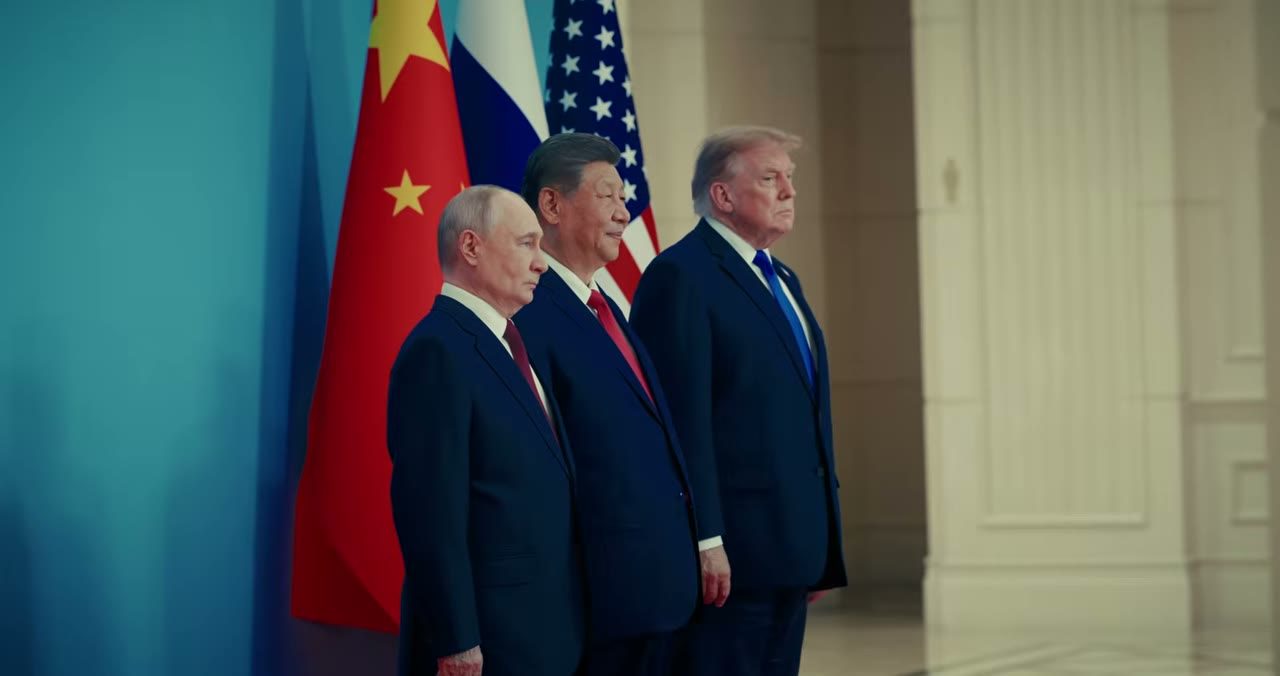
The call capped a day of split-screen diplomacy. In Shenzhen, Trump, Putin and Xi held the first-ever trilateral meeting of the three leaders, producing a four-point declaration on U.N. reform, energy cooperation, limits on international courts and dialogue on nuclear risk. Ukraine was not mentioned in the text.
Before the three-way session, Trump met Putin one-on-one for about 40 minutes — their first face-to-face talks in 15 months, since the Alaska summit. Trump called Putin “my friend” and said the encounter could produce positive results. Kremlin aide Yuri Ushakov called the talks positive but preparatory.
While the three leaders talked in Shenzhen, Ukraine's allies gathered in Berlin. More than 30 heads of state and government attended the Coalition of the Willing meeting, hosted by German Chancellor Friedrich Merz with President Volodymyr Zelenskyy. Zelenskyy said he saw a “huge chance” for peace if the United States “will really put pressure on Putin.”
Merz dismissed the Shenzhen meeting as a “photo op” and handed each leader a piece of the Berlin Wall. “Negotiations involving Ukraine and Europe can only succeed if conducted together,” he said. “A Yalta-style format will not bring peace.”
“Putin was ready to make a deal.”— President Donald Trump, describing Vladimir Putin to European leaders, according to officials briefed on the call
Why It Matters
The split is the story. In Shenzhen, the three powers endorsed stable energy flows and increased refined petroleum supplies. In Berlin, Ukraine's allies pledged to restrict the revenues financing Russia's war — at least €70 billion in military assistance and training for Ukraine in 2026, with equivalent support pledged for 2027.
The numbers frame the argument. Europe's €70 billion commitment is roughly the size of the financing gap Kyiv faces for 2027. Trump argued the money is wasted while the war drags on; European leaders argue cutting it would hand Putin the leverage to dictate terms.
The same day, the war supplied its own counterpoint. Russian drones struck Kyiv through the day, killing a 26-year-old man and injuring five people, and damaging St. Volodymyr's Cathedral and the embassies of the Netherlands and Austria. The European Union said it would summon Russia's ambassador.
Western intelligence assessments have cast doubt on Putin's willingness to pursue serious peace talks. Putin himself added conditions: he said Russia could not accept any defence ties between Ukraine and Europe, and demanded NATO withdraw troops from Eastern Europe as a condition for peace.
What Happens Next
Merz said he expects new Ukraine peace talks “soon,” with Europe at the table alongside the United States, Russia and Ukraine. Kushner said Trump is open to extending Ukraine a security guarantee similar to NATO's mutual-defence clause, but stressed Washington has to protect its interests.
The next round of negotiations with Russia is planned for next week in Abu Dhabi. Witkoff and Kushner were in Berlin on Thursday meeting Ukrainian and European officials on security guarantees for Kyiv.
Trump returns to Washington on Friday and will hold a news conference at the White House at noon to discuss the trip. Whether the Berlin call was a nudge toward negotiations or a warning to Europe will be clearer by what he says there — and by what happens in Abu Dhabi next week.
© 2026 Capitol Wire Daily. All rights reserved. Capitol Wire Daily reports facts from official statements and verified reporting; developing stories are labeled as such.

Loading comments…