
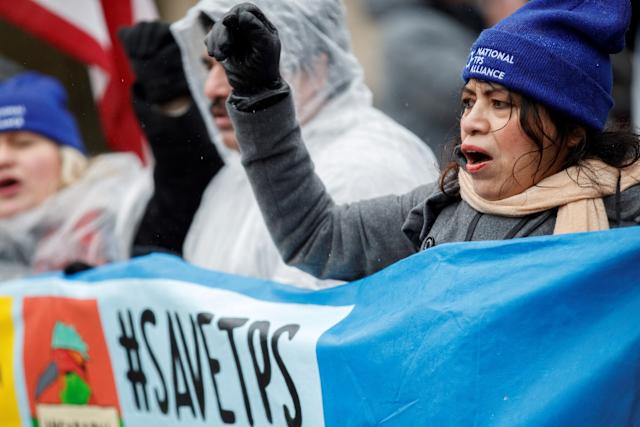
The Trump administration withdrew its emergency request to the Supreme Court over Venezuelan deportation protections on Thursday, one day after filing it — because an appeals court had already given the government the pause it was seeking. The move removes the Friday deadline that had hung over hundreds of thousands of Venezuelans, but the protections stay frozen.
Solicitor General D. John Sauer filed the emergency request on Wednesday, asking the justices to block a federal judge's ruling that set aside the government's decision to end Temporary Protected Status for Venezuelans before it took effect on Friday, November 20. Hours later, the 9th US Circuit Court of Appeals granted the government an administrative stay lasting until seven days after it publishes its decision. On Thursday, Sauer told the Supreme Court the United States was withdrawing its request.
“Absent judicial intervention between now and November 20, the Department of Homeland Security will have to resurrect TPS status for hundreds of thousands of Venezuelans after a 19-month hiatus.”— US Justice Department
The Details
For the Venezuelans who once held TPS, nothing changes for now: the termination remains in force, so they have no protection from detention or removal under TPS and no work permits based on it, while the 9th Circuit decides the appeal. If that court lets Judge Chen's ruling stand and the Supreme Court does not step in, the protection would come back.
Federal attorneys have said about 1,800 former TPS holders are in detention, and about 330 are in deportation proceedings. The Justice Department warned that reviving the protections would force it to release the detained migrants, give up on up to 332 final removal orders, and issue work permits. Lawyers for the TPS holders answered that Venezuelans have already been detained, separated from their American citizen children and deported.
The case was on its third trip to the emergency docket. In June 2026, in a separate case called Mullin v. Doe, the court held that the TPS law bars judges from reviewing most challenges to termination decisions — and in October it sent the Venezuelan case back to the 9th Circuit to be reconsidered under that ruling.
How We Got Here
Congress created TPS in 1990 to protect migrants from deportation to countries hit by war, disaster or civil unrest. Venezuela was first granted TPS in March 2021 under President Joe Biden and expanded in September 2023; about 600,000 Venezuelans received the protections. Days before Trump returned to office, the Biden administration extended the 2023 designation to October 2026. The Trump administration then terminated it, saying the protection was always meant to be temporary.
Venezuelan holders and the National TPS Alliance sued. Judge Edward Chen ruled in September 2025 that the termination was unlawful because the Homeland Security secretary had not followed the law that governs agency decisions. The 9th Circuit later upheld that ruling, but the Supreme Court's pause kept it from taking effect. When the pause expired this month, the 9th Circuit first gave the government only a short administrative pause, running to November 20 — the Friday deadline behind the government's emergency filing.
Why It Matters
The withdrawal is a tactical retreat, not a concession. Sauer added that if the appeals court rules against the government, it will come straight back to the Supreme Court. The administration has already won twice at the Supreme Court in this litigation. It is betting the 9th Circuit will apply that ruling in its favour. If it does, the case may never return to the justices.
The case is also part of a wider immigration docket at the Supreme Court. On November 13, the justices agreed to decide whether the Trump administration can suspend access to asylum at the US-Mexico border, in Mullin v. Refugee and Immigrant Center for Education and Legal Services. Together, the two cases will define how much power a president has to shut the door on migrants — and how much courts can do about it.
For the roughly 600,000 Venezuelans who once held the protection, the practical effect is unchanged: no status, no work permits, and exposure to detention and removal while the appeal is decided.
What Happens Next
The 9th Circuit must still issue its full ruling; the freeze lasts until seven days after that decision. If the court sides with the government, the termination stands and the case is effectively over. If it sides with Judge Chen, the government has promised to return to the Supreme Court immediately.


Loading comments…