
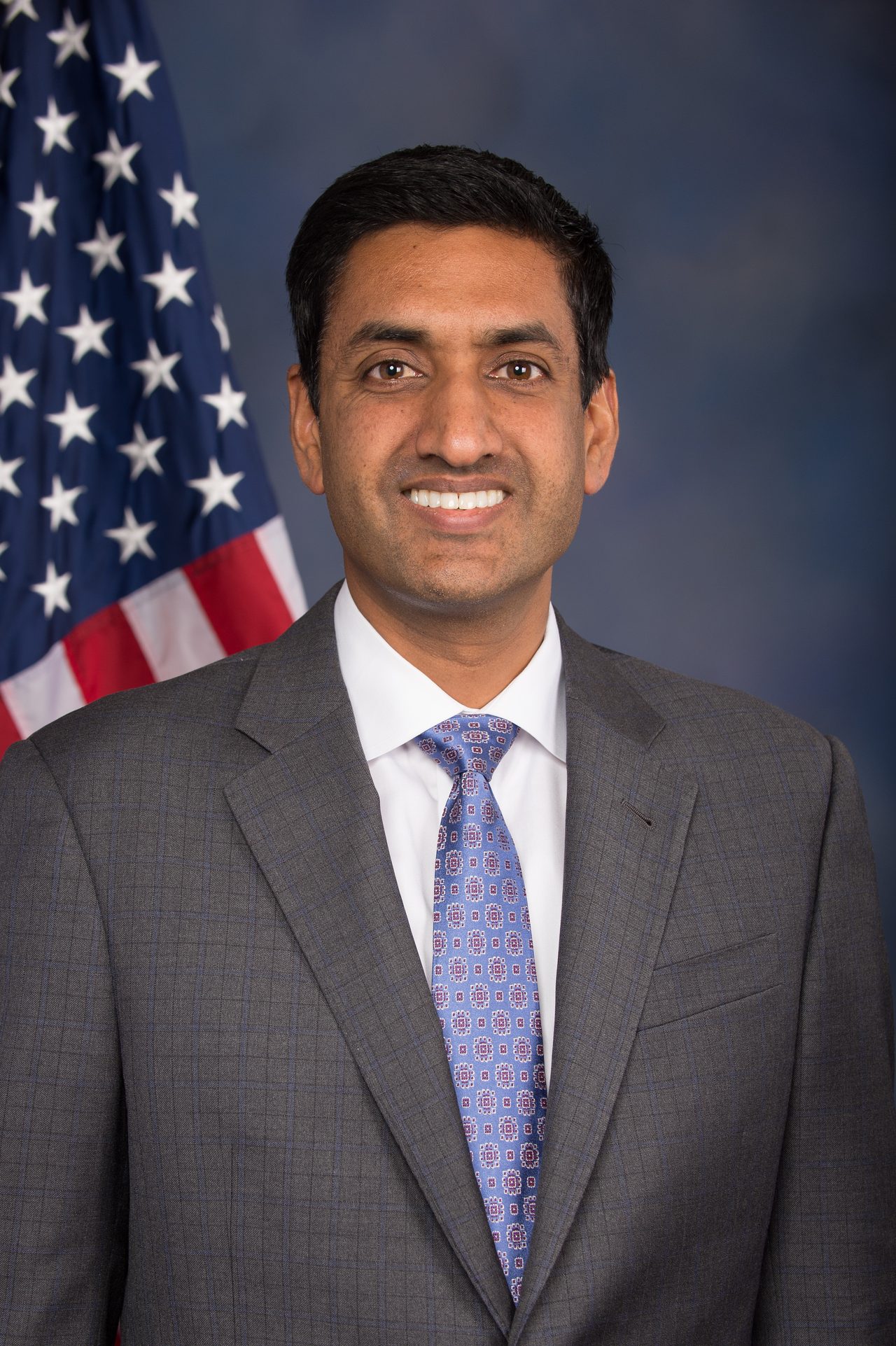
Rep. Ro Khanna, the California Democrat who helped force the release of the Jeffrey Epstein files, has accused Attorney General Todd Blanche of a “cover-up” — saying the Justice Department has released no further files and opened no investigation into the powerful men named in them. In an interview with USA TODAY, Khanna said the department’s top official “has not released the remaining files. He has not initiated a single investigation.”
The Justice Department says it complied with the law. A department spokesperson said Blanche has offered to meet with members of Congress and given them the opportunity to review the files. A White House spokeswoman said President Donald Trump has done more for Epstein’s victims than anyone before him.
The dispute centers on roughly 2.5 million pages of Epstein records the department has said it will not release. The department published about 3.5 million pages in batches under the Epstein Files Transparency Act, then announced in January that its review was over — a decision survivors and lawmakers have challenged in Congress and in court.
How We Got Here
The first transparency act was the product of an unusual bipartisan campaign. Khanna, a Democrat, and Rep. Thomas Massie, a Kentucky Republican, used a discharge petition to force a House vote, and the bill passed overwhelmingly. The law ordered the Justice Department to publish its unclassified Epstein files within 30 days, with narrow exceptions for victims’ identities, child sexual abuse material, classified information and active investigations.
The department missed the deadline and released the files in batches, drawing complaints about heavy redactions and missing material. In June, U.S. District Judge Emmet G. Sullivan ruled in a 48-page opinion that the department had likely violated the law, and on Nov. 9 he ordered Blanche to publish previously withheld handwritten FBI interview notes within 14 days — a deadline that falls on Nov. 23. The notes document 2019 interviews with a woman who alleged that Trump, Epstein and others abused her as a teenager. The allegations have never been proven, no charges were filed, and Trump denies wrongdoing.
Khanna and Massie answered with a second bill. The Epstein Files Transparency Act II, introduced July 15 with Rep. Teresa Leger Fernández, would give survivors, state attorneys general, local prosecutors and members of Congress the right to sue the attorney general over records withheld, redacted, delayed or concealed. Seventeen state attorneys general wrote to congressional leaders in October urging passage. On Nov. 11, Massie’s discharge petition for the bill reached 218 signatures — enough to force a House vote, with floor action possible as early as Dec. 2, according to ABC News.
“Blanche has been engaged in a cover up. He has not released the remaining files. He has not initiated a single investigation.”— Rep. Ro Khanna, in an interview with USA TODAY
Why It Matters
The second bill would move the fight out of Washington. Under it, states could obtain unredacted copies of the files and pursue their own cases — including in New Mexico, where Epstein’s Zorro Ranch stood and where the state attorney general has already sued the department for records. Survivors could obtain unredacted copies of their own reports, including statements they made to the FBI.
For the administration, the stakes are political as well as legal. The files question has shadowed the Justice Department for a year, with polls showing broad bipartisan support for full disclosure. For Khanna and Massie, the second bill is a test of whether Congress can write a disclosure law the department cannot sidestep.
What Happens Next
The House could vote on the second bill in early December, once the chamber returns from its Thanksgiving recess. The Senate would still need to approve it before the current Congress ends, and the president would need to sign it. Separately, the Nov. 23 court deadline for the FBI interview notes is days away, though the department can ask the appeals court to intervene first.
Khanna, for his part, says the states should not wait. “The top is not doing anything,” he told USA TODAY — and if Washington will not release the files, he argues, the states should get the power to take them.
© 2026 Capitol Wire Daily. All rights reserved. Capitol Wire Daily reports facts from official statements and verified reporting; developing stories are labeled as such.

Loading comments…